



Riyadh : As part of the cultural and tourism transformations aligned with Saudi Vision 2030, the museums in Mecca and Madinah have become vital components of an integrated tourism system designed to enhance visitor experiences while broadening their cultural and intellectual horizons.
These museums have evolved into modern display platforms that leverage digital technologies, interactive models, and visual storytelling to present historical content more clearly and comprehensively. This approach caters to the diverse backgrounds of visitors, offering them profound insights into the civilizational and human context of these sacred cities. Additionally, the organized environments ensure a safe visitor experience, adhering to established safety and service standards.
In Mecca, specialized museums provide rich educational experiences that trace the city’s historical development, including the construction of the Grand Mosque and the crafting of the Kaaba’s covering. They also house manuscripts and artifacts that reflect the region’s vibrant cultural heritage. Notably, the Clock Tower Museum exemplifies the integration of astronomical and historical knowledge through an advanced digital display.
Further museums highlight the history of the Holy Quran’s compilation, the evolution of Arabic calligraphy, and the various stages of care dedicated to the Two Holy Mosques, all presented within a structured framework that enhances information accessibility and historical understanding.
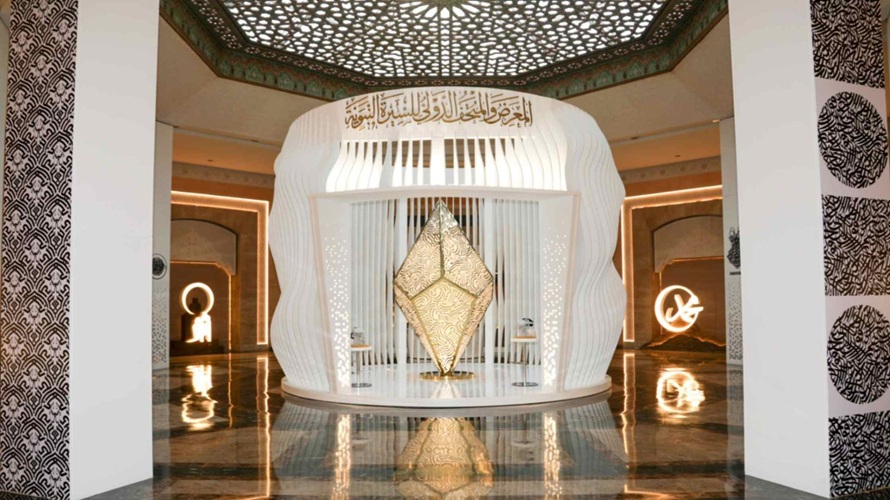
In Medina, museums focus on the Prophet’s biography and Islamic civilization, with the International Museum of the Prophet’s Biography and Islamic Civilization standing out for its use of digital maps, interactive simulations, and multimedia presentations. This museum contextualizes events from the Prophet’s life geographically and historically, helping visitors connect with historical moments in their spatial framework. Other institutions exhibit the urban and social transformations the city has experienced over the ages, showcasing its evolution as the first capital in Islamic history.
The cultural significance of these museums intensifies during Ramadan, as the influx of visitors and pilgrims underscores the demand for enriching experiences that enhance spiritual journeys with structured educational dimensions. This allows visitors to gain deeper insights into their surroundings, blending worship with learning.
This initiative aligns with the “Imagine” campaign launched by the Saudi Tourism Authority, encouraging visitors to contemplate the historical and human aspects of Mecca and Medina before and during their visits. This enhances visitor awareness and fosters a more informed and organized experience.
Through this innovative approach, the museums of Mecca and Medina present a balanced model that fuses authenticity with modernity. This reflects the Kingdom’s commitment to leveraging contemporary technologies to honor its history, promoting sustainable cultural products while elevating the quality of the visitor experience in these holy cities.