



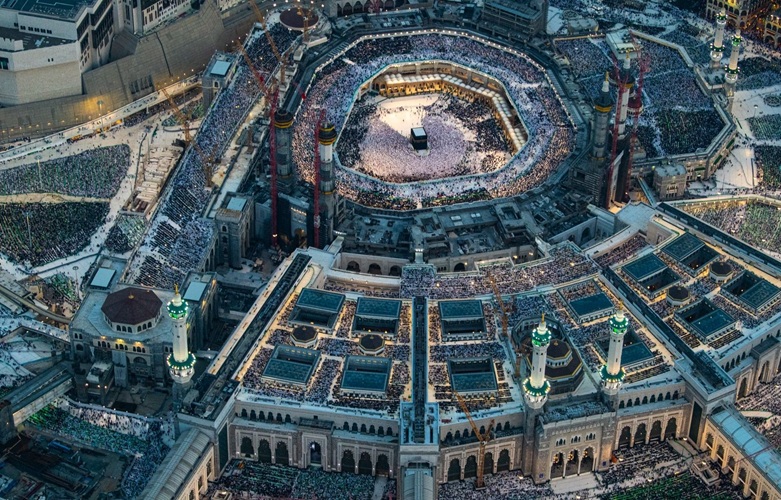
As the holy month of Ramadan approaches, Makkah is preparing for an influx of pilgrims eager to perform Umrah. This year, significant advancements in facilities and technologies are reshaping the experience, particularly for elderly pilgrims, who often face challenges in navigating the crowded environments of holy sites. With improved planning capabilities and resources, the perception that Umrah is difficult for older individuals is steadily changing. These enhancements represent a vital shift in how the pilgrimage is experienced and administered, ensuring that every worshiper can engage in the spiritual journey with confidence and ease.
Breaking Down Barriers to Accessibility
Historically, the high volume of attendees during Ramadan has deterred some elderly individuals from undertaking the pilgrimage. Concerns around crowds, potential exhaustion, and health issues often overshadow the spiritual significance of their journey. The good news is that this hesitation is increasingly based on misconceptions rather than reality.
Modern Facilities to Support Elderly Pilgrims
Thanks to modern technologies and management strategies, it is now possible for elderly pilgrims to monitor crowd densities in key areas of the Grand Mosque, such as the circumambulation area and Sa’i. This capability empowers families to strategically plan their visits, selecting optimal times that correspond with their health requirements.
Key Features of the Enhanced Umrah Experience:
- Crowd Density Indicators: Real-time information to help plan visits during less busy times.
- Booking and Permit Management Apps: Streamlined processes for obtaining necessary permits and accommodations.
- Support Facilities: Availability of manual and electric carts, along with clearly designated pathways, to assist movement.
These services have transitioned from being exceptional offerings to becoming integral components of the pilgrimage experience, ensuring that not only the elderly but all pilgrims can navigate their spiritual journey with greater comfort and security.
Strategic Planning for Pilgrims
One of the most significant advancements is the introduction of tools that help pilgrims predict the time required for their rituals. Gone are the days when individuals entered the Grand Mosque without a well-thought-out plan. Nowadays, travelers have access to information that allows them to identify the best times to perform Tawaf and Sa’i, enabling them to tailor their experiences to their needs—whether they prefer the early morning hours or quieter times later in the day.
A Well-Organized Journey
Umrah is no longer just a spontaneous endeavor; it is an experience that can be meticulously arranged weeks in advance. Key steps now include:
- Booking nearby accommodations: Ensuring proximity to the Grand Mosque.
- Setting arrival dates: Allowing better management of schedules.
- Obtaining electronic permits: Simplifying the administrative burden.
- Reviewing health guidelines: Fostering a safer environment for all pilgrims.
This careful orchestration is particularly beneficial for the elderly, who may require additional consideration in terms of well-being and physical stamina. The shift from a spontaneous pilgrimage to a pre-planned journey reflects a broader understanding of the needs and preferences of older travelers.
The Importance of Awareness Campaigns
The ongoing reluctance among some elderly individuals to perform Umrah can often be traced back to circulating misconceptions rather than factual experiences. Awareness campaigns play a crucial role in rectifying these misapprehensions, emphasizing that the current arrangements are designed specifically to facilitate access to a safe and comfortable spiritual experience. The overall message is clear: Umrah for the elderly during Ramadan can be a well-structured and organized journey rather than a stressful undertaking.
A Bright Future for Elderly Pilgrims
As pilgrims prepare to embark on their journeys to perform Umrah this Ramadan, there is much to look forward to in terms of accessibility and support. Programs designed to assist elderly visitors deliver invaluable resources and reinforce the message that spirituality can thrive alongside modern conveniences.
Wishing to perform Umrah in Makkah or visit Medina? Prospective pilgrims can access official platforms to familiarize themselves with available services, crowd density indicators, and other resources crucial for planning their trip.
Conclusion
The advances being made to facilitate Umrah for the elderly reflect a pivotal shift in the hospitality and travel landscape in Saudi Arabia. By prioritizing accessibility and utilizing technology to streamline the pilgrimage experience, the authorities are ensuring that all pilgrims, regardless of age, can enjoy a fulfilling and spiritually enriching journey during Ramadan. Ultimately, the ongoing improvements promise to make Umrah not only more accessible but also an integral part of the lives of many elderly worshipers.
For more information: https://www.visitsaudi.com/en/campaigns/makkahmadinah