

Tourism in Saudi Arabia is transforming the global travel landscape by combining ancient heritage, religious significance, luxury hospitality, entertainment, adventure, and modern infrastructure. Once known internationally primarily for religious pilgrimage, the Kingdom is developing a broader tourism offering that welcomes leisure travellers, cultural explorers, families, business visitors, and luxury holidaymakers. Supported by Saudi Vision 2030, the country is investing in destinations, visitor services, and experiences designed to strengthen its position in the international travel industry.
From the historic streets of Jeddah and the archaeological treasures of AlUla to the beaches of the Red Sea and the energetic atmosphere of Riyadh, tourism in Saudi Arabia offers experiences that extend far beyond traditional sightseeing. These developments are also creating opportunities for hotels, restaurants, tour operators, airlines, local businesses, and hospitality professionals. As the sector evolves, the Kingdom is working to balance economic growth with cultural preservation, environmental responsibility, and authentic visitor experiences.
The Rise of Tourism in Saudi Arabia
The growth of tourism in Saudi Arabia reflects a wider shift towards economic diversification and greater international engagement. Through Saudi Vision 2030, the Kingdom has identified tourism as an important sector for attracting investment, creating employment, supporting local businesses, and introducing international visitors to its cultural and natural heritage.
The introduction of tourist e-visas for eligible international travellers has made planning a visit more accessible, while improvements in airports, roads, hotels, and visitor facilities are helping support the expansion of tourism. New attractions and destination developments are also broadening the country’s appeal beyond religious travel and business visits.
Today, travellers can plan holidays around heritage, food, outdoor activities, entertainment, shopping, or relaxation. Some visitors may spend a few days exploring Riyadh’s museums and contemporary dining scene, while others may prefer an itinerary centred on AlUla’s archaeological landscapes or the Red Sea coastline.
Saudi Arabia’s geographic position between Asia, Europe, and Africa also gives it potential as a regional travel hub. International air connections, business activity, and major events can encourage visitors to combine the Kingdom with wider regional itineraries. Continued progress will depend on accessible travel options, consistent service quality, clear visitor information, and experiences that meet the expectations of different traveller groups.
Cultural and Heritage Tourism: Discovering the Kingdom’s Past
Cultural and heritage tourism is central to the Saudi Arabian travel experience. The country’s history encompasses ancient civilisations, caravan routes, maritime trade, traditional settlements, and the development of communities across varied landscapes. These layers of history give visitors opportunities to understand the Kingdom beyond its modern cities and contemporary developments.
Diriyah, near Riyadh, is closely associated with the early history of the Saudi state. Its historic At-Turaif district features traditional Najdi architecture and offers insight into the region’s political and cultural heritage. Restoration projects and cultural destinations in the area are helping present this history through exhibitions, public spaces, and visitor experiences.
AlUla is another significant destination for heritage tourism. Its desert landscapes contain archaeological remains, ancient inscriptions, rock formations, and historic settlements. Hegra, a UNESCO World Heritage Site, is known for its monumental Nabataean tombs carved into sandstone. Visitors can explore the area’s archaeological significance while experiencing the distinctive natural scenery of north-western Saudi Arabia.
Jeddah provides a different perspective through Al-Balad, its historic district recognised by UNESCO. Traditional buildings, narrow lanes, old merchant houses, and historic trading connections illustrate the city’s role as a Red Sea port and gateway for pilgrims travelling to Makkah.
Across the Kingdom, museums, traditional markets, heritage festivals, and local cultural programmes add further depth to travel itineraries. These experiences can support local artisans and businesses while encouraging visitors to engage respectfully with Saudi customs. For travellers, heritage tourism offers a meaningful way to connect the country’s past with its evolving identity.
Religious Tourism: A Foundation of Global Travel
Religious tourism remains one of the most important parts of tourism in Saudi Arabia. Makkah and Madinah hold exceptional significance for Muslims, drawing visitors throughout the year for Umrah and during the Hajj season for pilgrimage. This long-established travel activity has shaped the Kingdom’s hospitality, transport, retail, and food service industries.
Makkah is home to the Masjid al-Haram and the Kaaba, the focal point of Muslim prayer. Madinah is home to Al-Masjid an-Nabawi and other sites connected with Islamic history. For pilgrims, these journeys are deeply spiritual experiences, and accommodation, transport, crowd management, and visitor services play an important role in supporting their needs.
The Kingdom continues to develop infrastructure and services intended to improve the movement and comfort of pilgrims. Digital platforms, transport links, accommodation capacity, and organised travel services all contribute to the wider pilgrimage ecosystem.
Religious tourism also creates demand for hotels, restaurants, local transport, shopping, and travel services. However, pilgrimage requires careful planning, particularly during periods of high visitor numbers. Travellers should check current permit requirements, visa conditions, authorised arrangements, and official guidance before departure.
While religious travel has a distinct purpose and set of requirements, it also illustrates Saudi Arabia’s established experience in welcoming visitors from different countries. This foundation forms an important part of the broader tourism sector.
Luxury Hospitality and Premium Travel Experiences
Luxury hospitality is becoming increasingly visible in Saudi Arabia’s tourism landscape. International hotel groups, locally developed properties, boutique accommodation, and destination resorts are expanding the range of places where visitors can stay. These developments aim to serve travellers seeking comfort, personalised service, distinctive design, wellness, and curated experiences.
Riyadh and Jeddah offer upscale city hotels close to business districts, shopping areas, restaurants, and entertainment venues. In AlUla, selected properties draw on the surrounding desert environment to create experiences shaped by landscape, architecture, and a sense of seclusion. Along the Red Sea, resort developments are intended to combine coastal recreation with premium accommodation and marine experiences.
Luxury travel is not defined by accommodation alone. Fine dining, spa treatments, private excursions, cultural activities, and personalised itineraries can all contribute to a memorable stay. Hotels that incorporate local ingredients, regional design, and Saudi cultural elements can also help guests develop a stronger connection with their destination.
For hospitality businesses, this expansion creates opportunities as well as responsibilities. Maintaining service standards, training employees, managing resources, and delivering consistent guest experiences are essential to long-term success. The availability and opening status of individual properties can change, so travellers should confirm current operations, facilities, and booking terms before planning a visit.
Entertainment and Lifestyle Tourism
Entertainment and lifestyle experiences are expanding the reasons people visit Saudi Arabia. Seasonal festivals, concerts, sporting events, exhibitions, family attractions, and cultural programmes are helping diversify the tourism calendar and attract visitors with different interests.
Riyadh Season has become associated with large-scale entertainment and event programming in the capital. Jeddah also hosts seasonal activities and events that complement its coastal setting, shopping, dining, and cultural attractions. Diriyah’s heritage-focused environment provides another setting for cultural programmes and visitor experiences.
Sports tourism is an additional part of this development. International competitions and sporting events can attract spectators, generate hotel demand, and encourage visitors to explore surrounding destinations. Such events also provide opportunities for restaurants, transport providers, retailers, and tour operators.
Families can combine entertainment venues with museums, shopping centres, parks, and dining experiences. Younger travellers may be interested in concerts, contemporary cultural spaces, and sporting events, while visitors seeking a slower itinerary can balance scheduled activities with heritage tours and local food experiences.
Event-based tourism can increase demand over a short period, making early booking and transport planning important. Travellers should check official event calendars, ticket conditions, age restrictions, venue rules, and local regulations before attending. As the entertainment offering develops, reliable information and well-managed visitor services will be important for maintaining a positive experience.
Nature, Adventure, and Eco-Tourism
Saudi Arabia’s natural diversity provides opportunities for travellers interested in outdoor recreation. The Kingdom includes desert dunes, mountain ranges, oases, coastlines, coral reefs, and distinctive geological formations. These environments support experiences that range from relaxed nature excursions to more active adventures.
The Red Sea coastline is attracting interest from travellers interested in marine life, diving, snorkelling, boating, and coastal resorts. Its coral ecosystems are environmentally important, making responsible tourism practices essential. Visitors can help protect marine habitats by following local guidance, choosing responsible operators, avoiding contact with coral, and respecting wildlife.
In the south-west, the Asir region offers mountainous landscapes, cooler highland settings in some seasons, traditional villages, and hiking opportunities. Its scenery provides a contrast to the desert environments commonly associated with the Kingdom. Travellers interested in mountain activities should consider weather conditions, route difficulty, and the availability of guides.
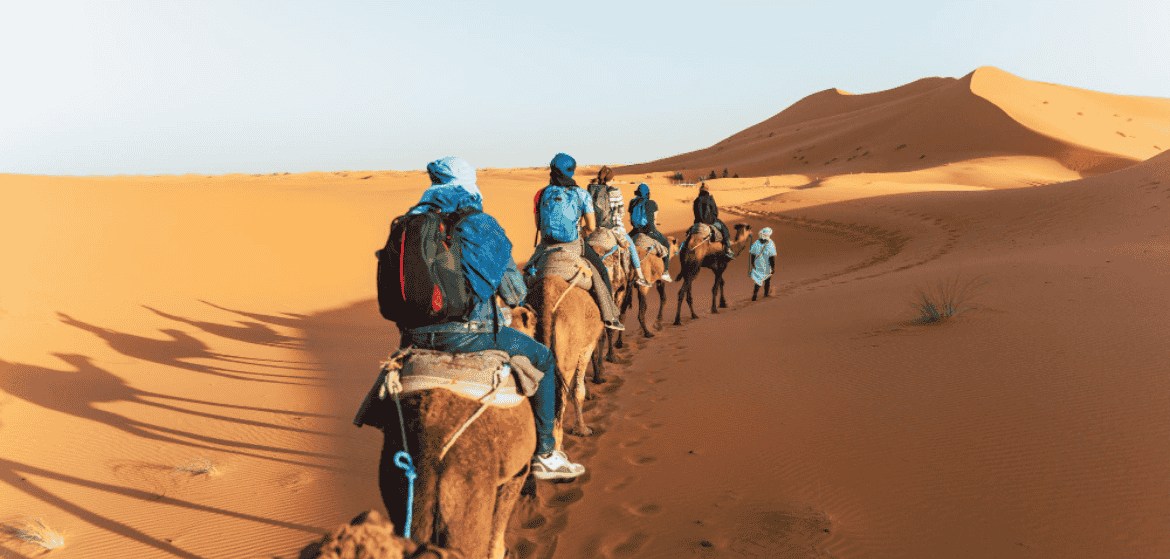
Desert tourism includes guided safaris, landscape photography, camping, and stargazing. These activities can introduce visitors to the scale and beauty of Saudi Arabia’s desert environments, but they require preparation. Travellers should use reputable operators, carry sufficient water, follow safety advice, and avoid travelling into remote areas without appropriate support.
Eco-tourism initiatives seek to combine visitor access with conservation and responsible destination management. This can include protecting habitats, managing waste, conserving water, and involving local communities in tourism activities. The effectiveness of these efforts depends on implementation and ongoing monitoring rather than development commitments alone.
For travellers, responsible choices help reduce pressure on sensitive environments while supporting the long-term value of natural attractions.
Technology and Innovation in Tourism
Technology is influencing how visitors discover, plan, book, and experience travel in Saudi Arabia. Digital visa services, online reservations, electronic payments, mapping tools, and mobile travel information can make the visitor journey more convenient. For businesses, digital systems can also improve communication, operational efficiency, and customer service.
Hotels can use technology to manage reservations, coordinate housekeeping, respond to guest requests, and personalise services. Booking platforms help travellers compare accommodation and activities, while digital marketing allows tourism businesses to reach audiences across international markets.
Artificial intelligence and data analytics may support more relevant recommendations, demand forecasting, and customer support. For example, travel companies can use visitor preferences and booking patterns to develop itineraries for families, adventure travellers, or guests interested in cultural experiences. These tools must be implemented responsibly, with appropriate attention to privacy, data security, and human oversight.
Digital storytelling also offers new ways to interpret heritage and landscapes. Interactive displays, virtual tours, and augmented reality experiences can provide historical context and make attractions more accessible to different audiences.
Technology, however, cannot replace the fundamentals of good hospitality. Accurate information, helpful staff, accessible facilities, and dependable service remain essential. The strongest digital solutions are those that simplify travel while allowing visitors to engage more meaningfully with the places they explore.
Economic Impact and Business Opportunities
Tourism contributes to Saudi Arabia’s wider economic diversification by generating demand across several connected industries. Hotels, restaurants, airlines, transport companies, retail businesses, tour operators, event organisers, and entertainment providers can all benefit from visitor spending.
The sector also creates opportunities for entrepreneurs. Local food businesses can introduce regional cuisine to new audiences, while guides and cultural enterprises can develop experiences based on local history, crafts, and traditions. Small businesses may find opportunities through partnerships with hotels, destination management companies, and online booking platforms.
Tourism investment can support infrastructure development and encourage improvements in public spaces, transport connections, and visitor services. However, economic benefits depend on more than the number of arrivals. Visitor spending, length of stay, local supply chains, employment quality, and the distribution of opportunities all influence how tourism affects communities.
Businesses must also respond to changing traveller expectations. Transparent pricing, dependable service, online visibility, convenient booking, and clear communication are increasingly important. Restaurants and hotels that understand their customers and maintain consistent standards are better positioned to build repeat business and positive reviews.
For the wider economy, the challenge is to convert investment and visitor interest into lasting value. Strong local participation, effective planning, and sustainable business practices can help tourism support communities as well as major developments.
Workforce Development and Local Talent
A growing tourism sector requires a skilled workforce across hospitality, food service, travel operations, marketing, event management, customer support, and destination development. As Saudi Arabia expands its visitor offering, training and professional development are important to delivering the service standards expected by international and domestic travellers.
Hotels and tourism businesses require employees who can communicate effectively, understand guest expectations, solve problems, and work confidently in multicultural environments. Specialised roles may also require knowledge of revenue management, digital marketing, sustainability, culinary arts, and tourism technology.
Training programmes, hospitality education, workplace learning, and partnerships with established operators can help build these capabilities. Opportunities for Saudi nationals across management and operational roles can support career development and strengthen local participation in the industry.
Workforce development also benefits employers. Well-trained employees can improve guest satisfaction, reduce operational errors, and contribute to a stronger service culture. Businesses that invest in fair working conditions, career progression, and ongoing learning can be better prepared for fluctuations in demand.
As tourism grows, the sector’s long-term competitiveness will depend partly on whether it can attract, develop, and retain people who understand both international service expectations and the Kingdom’s cultural context.
Sustainability and Responsible Tourism Growth
Sustainability is an important consideration as Saudi Arabia develops new tourism destinations and expands existing ones. Hotels, resorts, attractions, and transport systems consume water, energy, and materials, while increased visitor activity can place pressure on ecosystems and historic locations.
Responsible destination planning can help manage these impacts. Potential measures include energy-efficient buildings, renewable energy where appropriate, water-saving systems, waste reduction, recycling, and more sustainable transport options. The relevance and effectiveness of each measure depend on local conditions and how consistently it is applied.
Water management deserves particular attention in an arid environment. Hotels and resorts can review landscaping choices, monitor consumption, and introduce efficient fixtures and operational practices. Food businesses can also reduce waste through better purchasing, storage, menu planning, and donation arrangements where permitted.
Cultural sustainability matters too. Heritage sites need suitable visitor management, conservation expertise, and respect for local communities. Tourism should help preserve traditions and historic environments rather than reducing them to commercial attractions.
Travellers can contribute by following site rules, respecting cultural norms, reducing litter, conserving resources, and choosing operators that demonstrate responsible practices. Businesses, meanwhile, should communicate sustainability measures accurately and avoid making broad environmental claims that cannot be substantiated.
A successful tourism model must consider the quality of visitor experiences alongside the long-term health of the places and communities that make those experiences possible.
Challenges and the Road Ahead
Despite its opportunities, tourism in Saudi Arabia faces practical challenges. International awareness of lesser-known destinations may take time to develop, while travellers need clear information about transport, accommodation, local customs, weather, and available activities. Service consistency is another important consideration as the market expands.
Climate conditions can influence travel planning, especially for outdoor excursions during hotter months. Visitors should consider seasonal temperatures, appropriate clothing, hydration, and the operating schedules of individual attractions. Remote destinations may also require advance arrangements for transport, guides, and accommodation.
Large developments and events must balance visitor demand with infrastructure capacity, environmental protection, and the needs of local communities. Workforce availability, operating costs, and the long-term commercial viability of new attractions are additional factors that tourism businesses must manage.
The sector’s future will therefore depend on more than ambitious projects. Reliable visitor information, accessible transport, trained staff, effective regulation, and consistent service delivery will help turn interest into satisfying travel experiences. Measuring outcomes such as visitor satisfaction, repeat visits, local employment, and environmental performance can also provide a clearer picture of progress.
For travellers, careful planning remains worthwhile. Checking current visa rules, official travel guidance, opening dates, booking conditions, and event schedules can help prevent avoidable disruptions.
The Future of Tourism in Saudi Arabia
The future of tourism in Saudi Arabia will be shaped by continued investment, changing traveller preferences, cultural programming, and the development of new destinations. Heritage experiences, religious travel, luxury hospitality, entertainment, outdoor recreation, and business events each offer different ways to attract visitors.
The opportunity lies in connecting these experiences into coherent travel journeys. A visitor might explore historic districts, enjoy regional cuisine, attend a major event, and then travel to a natural destination. Better transport links, well-designed itineraries, and collaboration between hospitality businesses can make these combinations easier to plan.
Digital services and international partnerships may further improve access and market awareness. At the same time, authentic cultural experiences and the preservation of natural and historic assets will remain important differentiators.
The Kingdom’s progress will depend on how effectively it translates investment into accessible, high-quality, and responsible tourism. By supporting local businesses, developing skilled workers, protecting destinations, and responding to visitor feedback, the industry can build a stronger foundation for long-term growth.
Conclusion
Tourism in Saudi Arabia is reshaping the country’s role in the global travel industry through a combination of heritage, religious significance, luxury hospitality, entertainment, nature, and innovation. The sector offers travellers a wider range of experiences while creating opportunities for businesses, workers, and local communities.
Saudi Vision 2030 provides a strategic framework for this transformation, but sustained success will depend on practical delivery: reliable services, skilled professionals, accessible destinations, cultural respect, and responsible environmental management.
For travellers, Saudi Arabia presents opportunities to discover historic settlements, explore desert and coastal landscapes, experience regional food, and engage with a rapidly evolving destination. For the hospitality industry, it represents a changing market that rewards thoughtful planning and a clear understanding of visitor needs.
As tourism in Saudi Arabia continues to develop, its lasting impact will be measured not only by the number of people who visit, but also by the quality of their experiences and the value tourism creates for the Kingdom’s people, culture, economy, and natural environment.