


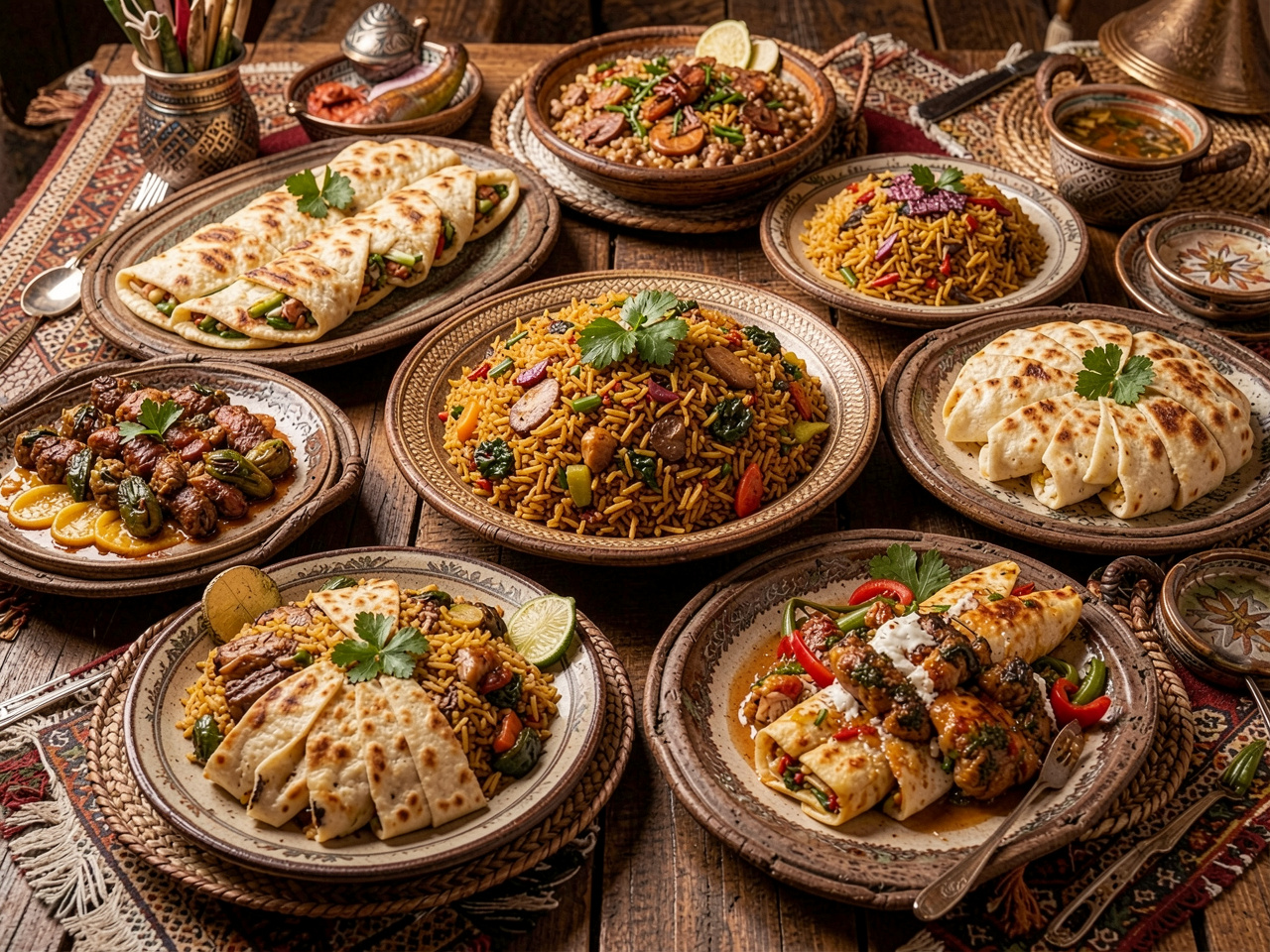
The Saudi Arabian Food Guide introduces travellers to the Kingdom’s rich culinary heritage, where traditional recipes, regional ingredients and centuries of cultural exchange come together. From aromatic rice dishes and slow-cooked meats to freshly prepared street food, sweet pastries and traditional beverages, Saudi Arabian cuisine offers a delicious way to understand the country’s history, hospitality and regional diversity.
Food is an important part of everyday life in Saudi Arabia. Meals bring families together, traditional dishes feature prominently during celebrations, and serving guests dates and Arabic coffee is a recognised expression of generosity. For visitors, tasting local food is therefore more than a dining experience; it is an opportunity to connect with the customs and traditions that shape Saudi culture.
Whether you are exploring Riyadh’s restaurants, discovering the historic streets of Jeddah, visiting the mountain landscapes of Asir or enjoying a holiday in AlUla, traditional Saudi dishes deserve a place on your itinerary.
This guide explores nine foods and beverages worth trying, explains their cultural significance and highlights regional culinary experiences that can make your journey through Saudi Arabia even more memorable.
The Rich Heritage Behind Saudi Arabian Cuisine
Saudi Arabian cuisine has developed through centuries of trade, migration, agriculture and regional exchange. The Kingdom’s location connected communities with historic trading routes, bringing different spices, ingredients and cooking techniques into local kitchens.
Geography has also influenced the country’s food traditions. In some regions, rice and meat dishes are central to family meals and celebrations. Coastal communities have access to seafood, while agricultural areas contribute ingredients such as wheat, dates, herbs and honey.
Hospitality remains an important feature of Saudi food culture. Sharing a meal is a way to welcome visitors, strengthen relationships and celebrate special occasions. Traditional serving customs can vary between households and regions, but generosity and communal dining are recurring themes.
Common ingredients include rice, lamb, chicken, wheat, dates, cardamom, cinnamon, black pepper, saffron and local herbs. Their combinations create distinctive flavours, from savoury rice dishes to fragrant coffee and regional desserts.
Exploring Saudi cuisine also means recognising that there is no single menu representing every part of the country. Najdi, Hijazi, southern and coastal food traditions all contribute to the Kingdom’s culinary identity.
1. Kabsa: Saudi Arabia’s Iconic Rice Dish
No Saudi Arabian Food Guide would be complete without Kabsa, one of the country’s best-known traditional dishes. This aromatic rice-based meal is widely enjoyed across Saudi Arabia and is often associated with family gatherings, celebrations and shared meals.
Kabsa typically combines long-grain rice with chicken, lamb or another protein, cooked with a blend of spices. Depending on the recipe, the seasoning may include cardamom, cinnamon, cloves, black pepper and saffron, alongside ingredients such as tomatoes and onions.
The result is a fragrant, savoury dish in which the rice absorbs the flavours of the cooking liquid and spices. Garnishes and accompaniments vary, with some versions featuring nuts, raisins or sauces served alongside the main dish.
Kabsa is especially worth trying in restaurants specialising in Saudi cuisine, where visitors may find different preparations and regional interpretations. The dish can also be served on a large communal platter, reflecting the importance of sharing food in Saudi hospitality.
For first-time visitors, Kabsa is an excellent introduction to the Kingdom’s traditional cooking. It is filling, flavourful and closely connected to the country’s dining culture.
Where to try it: Traditional Saudi restaurants in Riyadh, Jeddah, Abha and other major destinations.
2. Mandi: Fragrant Rice and Tender Meat
Mandi is another popular rice and meat dish that travellers should look for when exploring Saudi Arabia. Associated with southern Arabian culinary traditions, it is now widely enjoyed across the Kingdom.
The dish generally consists of rice served with lamb or chicken that has been cooked until tender. Traditional preparations use specialised ovens, with cooking methods designed to develop the meat’s softness and distinctive flavour. The exact technique varies between restaurants and recipes.
Mandi is known for its fragrant rice, carefully seasoned meat and relatively simple presentation. The ingredients work together to create a satisfying meal without relying on an overly complicated combination of flavours.
It is a popular option for group dining because large portions can be shared. Some restaurants offer several meat choices, allowing travellers to select a version that suits their preferences.
When comparing Mandi with Kabsa, visitors may notice differences in seasoning, preparation and texture. Trying both dishes is a useful way to discover the variety within Saudi rice-based cooking.
Where to try it: Restaurants serving traditional Arabian cuisine in Jazan, Asir, Riyadh and Jeddah.
3. Jareesh: A Comforting Traditional Favourite
Jareesh offers a different experience from the Kingdom’s well-known rice dishes. Prepared with crushed wheat, it is a traditional food associated particularly with central Saudi Arabian cuisine.
The wheat is cooked slowly with liquid until it softens and develops a thick, creamy consistency. Depending on the recipe, ingredients such as yoghurt, onions, spices and meat may be added to create a richer flavour.
Its texture makes Jareesh a comforting choice, especially for travellers interested in home-style cooking rather than restaurant dishes designed primarily for presentation.
Jareesh has a place in traditional family meals and gatherings, and its preparation reflects the importance of grain-based foods in regional Saudi cooking. Although recipes differ, the dish demonstrates how relatively simple ingredients can become distinctive through cooking techniques passed between generations.
Visitors who enjoy exploring culinary traditions should look for Jareesh on menus at restaurants specialising in regional Saudi dishes. It can be an especially interesting choice for anyone wanting to move beyond the more familiar rice and meat combinations.
Where to try it: Traditional Saudi restaurants, particularly those featuring Najdi and central-region cuisine.
4. Saleeg: A Creamy Rice Specialty from the Hijaz
Saleeg is a traditional rice dish particularly associated with the Hijaz region of western Saudi Arabia. It is commonly linked with cities such as Taif and Makkah and offers a different texture from the Kingdom’s spiced rice dishes.
The preparation involves cooking rice with milk and broth until it becomes soft and creamy. Chicken is often served alongside or on top, with roasted meat providing a contrast to the smooth rice.
Unlike Kabsa, which is recognised for its aromatic spices, Saleeg is known for its milder, creamier character. The simplicity of the rice and dairy base makes the texture central to the dish.
Recipes and presentation vary, but Saleeg remains an important part of western Saudi Arabia’s culinary identity. Travellers exploring the region can look for it at restaurants serving traditional Hijazi food.
It is also a useful reminder that Saudi cuisine extends well beyond rice dishes flavoured with strong spices. Different regions have developed their own ingredients, cooking styles and preferences.
Where to try it: Traditional restaurants in Taif, Makkah and other destinations offering Hijazi cuisine.
5. Mutabbaq: A Favourite Street Food
Travellers who enjoy exploring local markets and city streets should look for Mutabbaq, a stuffed flatbread popular in Saudi Arabia and other parts of the region.
Mutabbaq is made by folding thin dough around a filling before cooking it until the exterior becomes golden and crisp. Common fillings include minced meat, eggs, vegetables and spices, although recipes differ between vendors.
The contrast between the crisp outside and savoury filling makes it a convenient option for a quick meal or snack. It is particularly suitable for travellers who want to sample local food while exploring a destination rather than sitting down for a lengthy restaurant meal.
Street food can also reveal a different side of a city’s dining culture. Small food outlets and market vendors often serve dishes that are part of everyday routines, offering a more casual alternative to formal restaurants.
When ordering Mutabbaq, visitors can ask about the available fillings and preparation methods. Those with dietary restrictions should confirm the ingredients before eating.
Where to try it: Street-food outlets, local markets and casual eateries in major Saudi cities.
6. Samboosa: A Crispy Snack with Regional Variations
Samboosa is a popular savoury pastry in Saudi Arabia, particularly during Ramadan, when it frequently appears on family iftar tables.
The pastry is folded around a filling and cooked until crisp. Depending on the recipe, fillings may include minced meat, cheese, vegetables or a combination of ingredients and spices.
Although Samboosa resembles samosas found in South Asia, the pastry, seasoning and fillings can differ according to local preferences. Its popularity also demonstrates the connections between food traditions across the wider region.
During Ramadan, Samboosa is often served alongside other small dishes, drinks and main meals. Outside the fasting month, it can still be found in bakeries, cafés and casual food outlets.
For travellers, it is an easy introduction to Saudi snack culture. Sampling different fillings can also provide a sense of how familiar ingredients are adapted to local tastes.
Where to try it: Bakeries, casual restaurants and food outlets, with particularly strong seasonal availability during Ramadan.
7. Saudi Dates: A Symbol of Hospitality
Dates are among the most recognisable foods associated with Saudi Arabia. They have long been an important part of regional food traditions and remain closely connected to hospitality.
Guests are commonly welcomed with dates and Arabic coffee, creating a simple but meaningful gesture of generosity. Dates are also enjoyed as everyday snacks and used in different food preparations.
Saudi Arabia is known for several date varieties, each with its own texture, sweetness and appearance. Ajwa, Sukkari and Khudri are among the varieties visitors may encounter. Medjool dates are also available in many markets, although availability and origin can vary.
Some dates are soft and moist, while others have a firmer texture or a caramel-like sweetness. Sampling different varieties is a useful way to appreciate the range of flavours associated with this traditional fruit.
Travellers can visit date shops and markets to compare varieties, ask about their origins and purchase packaged dates to take home, subject to applicable travel and customs rules.
Dates are more than a food souvenir. They offer an accessible way to experience a tradition that remains central to Saudi hospitality.
Where to try them: Traditional cafés, markets, specialist date shops and hospitality venues across the Kingdom.
8. Gahwa: Saudi Arabic Coffee
Saudi Arabic coffee, commonly called Gahwa, is an important part of the Kingdom’s hospitality culture. It is traditionally served in small cups and is often accompanied by dates.
Preparation varies, but Gahwa commonly uses lightly roasted coffee beans with cardamom. Some recipes include additional spices, creating a distinctive aroma and flavour. The coffee is typically lighter in colour than many dark-roasted coffee styles.
Serving coffee to guests is a recognised expression of welcome and respect. It may be offered during social visits, family gatherings, celebrations and formal occasions.
The serving ritual can be just as interesting as the beverage itself. Coffee is traditionally poured into small cups, with hosts offering refills according to local customs. Visitors should feel comfortable observing how the ritual works and following their host’s lead.
Gahwa also provides a connection between Saudi food traditions and the broader culture of the Arabian Peninsula, where coffee has long held social significance.
For travellers, enjoying Arabic coffee with dates is one of the simplest ways to experience local hospitality. It is an opportunity to slow down, appreciate the flavours and learn about the customs surrounding a traditional welcome.
Where to try it: Traditional cafés, hotels, cultural venues, local gatherings and restaurants serving Saudi cuisine.
9. Kunafa, Ma’amoul and Basbousa: Traditional Sweet Treats
Saudi Arabia’s culinary experiences are not limited to savoury meals. Sweet pastries and desserts are also part of the wider food culture, with different treats appearing at celebrations, family gatherings and everyday meals.
Kunafa is a well-known regional dessert prepared with shredded pastry or fine dough, often combined with cheese or another filling and finished with sweet syrup. Its texture may range from crisp on the outside to soft and rich inside. Recipes differ across the Middle East, so travellers may encounter several versions.
Ma’amoul consists of small, shaped cookies traditionally filled with dates or nuts. These delicate treats are associated with celebrations and festive occasions in many communities across the region. Their fillings and decorative patterns vary by recipe.
Basbousa is a sweet semolina-based cake commonly soaked in syrup. Depending on the preparation, it may include ingredients such as yoghurt, coconut or nuts.
These desserts offer different textures and levels of sweetness, making them worth sampling after a traditional meal or alongside coffee.
Although these sweets are enjoyed across several Middle Eastern countries, they form part of the broader dessert selection visitors may encounter while exploring Saudi restaurants, bakeries and cafés.
Where to try them: Local bakeries, dessert shops, cafés and restaurants offering regional sweets.
Regional Food Experiences Across Saudi Arabia
One of the most rewarding aspects of exploring Saudi Arabian cuisine is discovering how local food traditions change from one region to another.
Riyadh: The capital offers opportunities to explore Najdi cooking, traditional Saudi restaurants and contemporary dining venues that reinterpret local recipes. Travellers can look for Kabsa, Jareesh and other regional specialities.
Jeddah: The city’s western location and coastal connections make it an interesting destination for Hijazi cuisine, seafood and traditional sweets. Exploring local dining areas can provide a mix of historic food traditions and modern restaurants.
Taif and Makkah: These destinations are associated with Hijazi food experiences, including Saleeg. Visitors can also explore markets and cafés serving regional dishes and traditional beverages.
Asir and Abha: The southern highlands offer opportunities to discover regional cooking, local honey and ingredients associated with mountain communities. Travellers should look for restaurants that focus on local recipes.
AlUla: Visitors can combine sightseeing with dining experiences that showcase regional ingredients and contemporary interpretations of Saudi food. Availability varies by venue and season, so reservations may be helpful.
Red Sea destinations: Coastal areas offer opportunities to sample seafood alongside traditional dishes. The selection depends on the destination, season and local restaurant scene.
Exploring these regional differences makes a food-focused itinerary more rewarding than ordering the same dishes throughout the trip.
Tips for Exploring Saudi Food as a Traveller
A little preparation can help visitors enjoy local food with confidence.
Start by choosing restaurants that specialise in Saudi or regional cuisine. Ask staff about signature dishes and portion sizes, especially when ordering large rice platters designed for sharing.
Try a combination of familiar dishes and new flavours. Kabsa and Mandi are useful starting points, while Jareesh, Saleeg and regional specialities can provide a different perspective on the country’s culinary traditions.
Visit local markets when possible to discover dates, sweets and other regional products. These can also be good places to ask questions about ingredients and preparation.
If you have allergies, dietary restrictions or food preferences, communicate them clearly and confirm how dishes are prepared. Ingredients and cooking methods vary, so a dish’s name alone may not provide enough information.
Finally, allow time to enjoy coffee, dates and other hospitality traditions. Food experiences are often most memorable when they include conversations, cultural context and the chance to understand why a particular dish matters to the people who prepare it.
Why Food Should Be Part of Your Saudi Travel Experience
Food provides a connection to Saudi Arabia that goes beyond sightseeing. Traditional dishes reflect local ingredients, historic trade connections, regional environments and the customs that bring families and communities together.
Trying Kabsa or Mandi introduces visitors to the Kingdom’s rice and meat traditions. Jareesh and Saleeg reveal different approaches to comfort food, while Mutabbaq and Samboosa offer a taste of everyday snacks. Dates and Gahwa demonstrate how hospitality can be expressed through simple, familiar ingredients.
Regional exploration adds another layer to the experience. A visit to Riyadh, Jeddah, Asir or AlUla can offer different opportunities to discover traditional cooking and contemporary dining.
For travellers who enjoy learning about culture through food, these experiences can become an essential part of the itinerary. They create opportunities to explore local markets, support restaurants and discover flavours that are closely tied to the places being visited.
Final Thoughts
Saudi Arabia’s food culture brings together flavour, history, hospitality and regional diversity. From aromatic rice dishes and comforting wheat-based meals to crisp street food, sweet desserts, dates and traditional coffee, the Kingdom offers a wide range of culinary experiences.
This Saudi Arabian Food Guide provides a starting point for discovering the traditional dishes worth seeking out during your visit. Whether you are a first-time traveller, a food enthusiast or a cultural explorer, trying local specialities can help you develop a deeper appreciation of Saudi Arabia.
Make room in your itinerary for traditional restaurants, local markets and relaxed coffee breaks. Ask about regional dishes, explore unfamiliar flavours and enjoy the hospitality that makes sharing food such an important part of the experience.
Follow Eat’N Stays for more travel guides, destination inspiration and hospitality stories from Saudi Arabia and beyond.

Ahmed Abdul Wasey
Managing Editor, Eat ‘N Stays
Ahmed Abdul Wasey is the Managing Editor in Eat ‘N Stays, overseeing all editorial coverage of travel, hospitality, and food across Saudi Arabia and the wider Gulf region. He sets the publication’s editorial direction and reviews coverage across hotels, restaurants, tourism, cruise, and industry news before it publishes.
Have a story tip, correction, or question about our coverage? Reach Ahmed directly at pr@eatnstays.com.