

Tourism in Saudi Arabia 2026 reflects a remarkable transformation in how the Kingdom welcomes international visitors. From expanded visa access and major entertainment events to heritage destinations, luxury resorts and coastal experiences, Saudi Arabia has developed a broader tourism offering for travellers seeking something beyond a conventional holiday.
The shift began accelerating with the country’s Vision 2030 programme, which placed tourism among its priorities for economic diversification. Since then, investment in hospitality, cultural attractions, infrastructure and entertainment has helped reshape the visitor experience. Cities such as Riyadh and Jeddah are attracting attention for different reasons, while destinations such as AlUla and the Red Sea are introducing new ways to experience the Kingdom’s natural and cultural heritage.
However, the country’s tourism development is not without challenges. Travellers still need to understand visa requirements, cultural expectations, regional accessibility and the practical differences between established cities and developing destinations.
This guide explores the key changes shaping Saudi Arabia tourism in 2026, including visitor growth, international access, entertainment, leading destinations and the considerations travellers should understand before planning a trip.
Tourism in Saudi Arabia 2026: The Numbers Behind the Growth
Saudi Arabia’s tourism expansion has become an important part of its wider economic transformation. The Kingdom reached its target of 100 million domestic and international tourists in 2023, several years ahead of the original Vision 2030 timeline. The ambition subsequently increased to 150 million annual visitors by 2030.
Tourism’s contribution to the economy and its role in employment have also become important measures of progress. Hotels, restaurants, transport providers, entertainment businesses and attractions all form part of the growing tourism ecosystem.
These developments represent more than an increase in visitor numbers. They reflect efforts to establish tourism as a significant economic sector, create employment opportunities and encourage investment across hospitality and related industries.
For international travellers, this expansion can mean more accommodation choices, a wider range of experiences and additional reasons to explore destinations beyond the main urban centres.
For investors and hospitality professionals, it creates opportunities to assess demand for hotels, dining, leisure activities and visitor services. However, headline visitor figures alone do not establish the profitability of an individual business or guarantee continued growth.
Understanding where visitors travel, how long they stay and what experiences they seek remains essential to understanding the Kingdom’s tourism landscape.
What Has Changed for International Travellers?
1. Greater Access Through Tourist Visas
One of the most significant changes in Saudi Arabia’s tourism development has been the introduction of a tourist visa system in 2019. Before this change, visiting the Kingdom for conventional leisure tourism was considerably more restricted, with travel often associated with religious visits, business or other specific purposes.
The tourist visa programme made leisure travel more accessible to eligible international visitors. Depending on nationality and the applicable rules, travellers may be able to apply online or use other permitted application channels.
For eligible visitors, the process can be more straightforward than traditional visa arrangements. Tourist visas may permit multiple entries and stays of a specified duration, although fees, validity and conditions vary by visa type and nationality.
Travellers should not assume that one visa arrangement applies universally. Before booking, check the official requirements for your passport, intended dates, permitted activities and length of stay.
Improved access has helped support Saudi Arabia’s wider tourism ambitions by making it easier for international visitors to consider the country for holidays, cultural exploration and major events.
2. A Changing Entertainment Landscape
Entertainment has become a visible part of Saudi Arabia’s tourism offering. The return of cinemas in 2018 was an important milestone, followed by increased investment in concerts, sporting competitions, festivals and large-scale public events.
Riyadh Season has become a prominent example of this development, bringing together entertainment, dining, attractions and seasonal activities. Its programme changes between editions, offering visitors different experiences depending on when they travel.
International sporting events also contribute to the country’s tourism profile. Formula 1’s Saudi Arabian Grand Prix attracts motorsport audiences, while Formula E and major gaming competitions introduce additional event-led reasons to visit.
Concerts and other performances can also influence travel plans, particularly for visitors who want to combine a holiday with a specific event.
For travellers, the growth of entertainment creates more options beyond traditional sightseeing. For hotels, restaurants and other businesses, major events can generate additional demand during selected periods.
However, popular events may also affect accommodation prices, availability and local transport. Visitors should confirm schedules through official organisers and reserve accommodation early when travelling around major occasions.
How Social Changes Influence the Visitor Experience
Saudi Arabia’s social environment has evolved in several ways over recent years, influencing how international visitors experience everyday life in the Kingdom.
Women gained the right to drive in 2018, while changes to travel and administrative rules have reduced several restrictions that previously affected women’s independence. These developments have made it easier for many women to travel, work and manage everyday activities.
For international visitors, understanding current rules is still important. Requirements can differ according to circumstances, and travellers should consult official guidance rather than relying on outdated accounts of local regulations.
Clothing expectations also deserve consideration. Foreign women are generally not legally required to wear an abaya in public, but dressing modestly remains a sensible way to respect local customs. Expectations can vary by setting, and specific religious or cultural sites may have additional dress requirements.
Visitors of all genders should familiarise themselves with local laws and customs before travelling. Respectful behaviour, appropriate clothing and awareness of cultural expectations can make interactions more comfortable.
These changes are part of a wider transformation in the visitor experience, although local traditions remain an important part of daily life.
The Best Places to Explore in Saudi Arabia in 2026
Riyadh: The Centre of Modern Saudi Arabia
Riyadh is an important starting point for visitors who want to experience the Kingdom’s contemporary urban life, entertainment and hospitality sector.
The capital offers a broad range of accommodation, from luxury hotels to more budget-conscious options. Its restaurant scene includes traditional Saudi cuisine, international dining and modern concepts catering to different preferences.
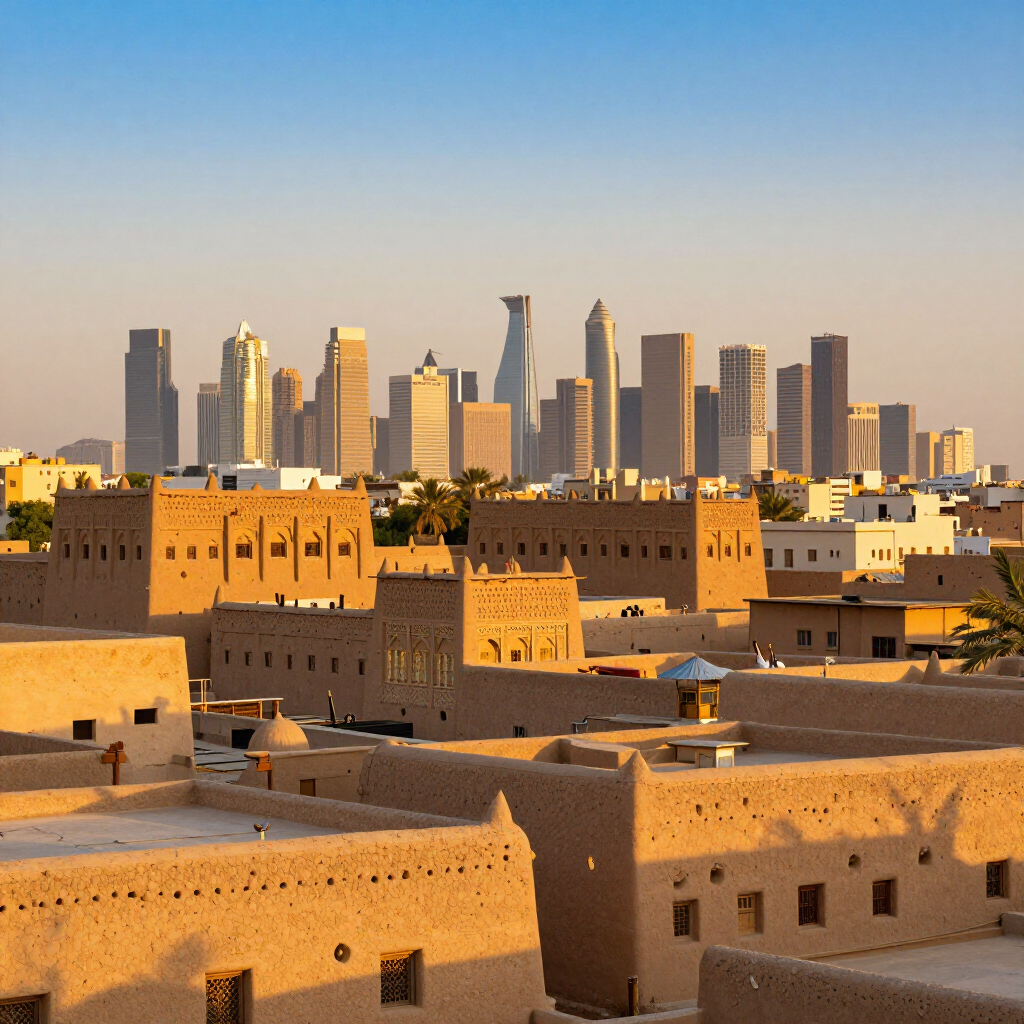
Cultural attractions provide another dimension to a visit. The National Museum introduces visitors to the country’s history and heritage, while Diriyah offers opportunities to explore the historical roots of the Saudi state and traditional Najdi architecture.
Boulevard City and other entertainment destinations can provide additional activities, depending on the season and programme. Visitors planning around Riyadh Season should check the latest official schedule because attractions and performances may vary.
November and December can be attractive months for exploring Riyadh because temperatures are generally more comfortable than during the peak summer heat. These months can also overlap with major seasonal entertainment activities.
For first-time visitors, Riyadh combines modern infrastructure with historical sites, restaurants and events, making it a useful introduction to the country’s evolving tourism landscape.
AlUla: Ancient Heritage and Desert Landscapes
AlUla stands out for its combination of archaeological heritage, dramatic sandstone formations and carefully developed visitor experiences.
One of its most significant attractions is Hegra, a UNESCO World Heritage Site associated with the Nabataean civilisation. Its monumental rock-cut tombs and surrounding archaeological landscape provide insight into the region’s history and historic trade connections.
Visitors can also explore AlUla Old Town, discover striking natural formations such as Elephant Rock and investigate guided experiences that explain the area’s cultural and environmental significance.
The destination has developed a hospitality offering that includes distinctive accommodation and experiences designed around the landscape. Seasonal cultural programmes and events can provide additional reasons to visit, although availability varies throughout the year.
Managing visitor access and protecting archaeological sites are important considerations in destinations such as AlUla. Travellers may encounter timed entries, guided-tour requirements or restrictions at particular attractions.
Those planning a visit should check official booking information, opening schedules and transport arrangements in advance. A carefully planned itinerary allows more time to appreciate the destination without rushing between distant sites.
Jeddah: Coastal Culture and Historic Streets
Jeddah offers a different experience from Riyadh’s modern urban environment. Its coastal setting, food scene and historic architecture make it an appealing destination for travellers interested in culture and the Red Sea.
Historic Jeddah, also known as Al-Balad, features traditional buildings, narrow lanes and distinctive wooden balconies. The area reflects the city’s history as an important Red Sea port connected to trade and pilgrimage routes.
Exploring the historic district on foot provides opportunities to discover heritage architecture, local businesses and traditional food experiences. Visitors should allow time to explore rather than treating the neighbourhood as a quick sightseeing stop.
Beyond its historic areas, Jeddah offers waterfront experiences, shopping, restaurants and access to marine activities. The Red Sea is known for its coral reefs and underwater environments, although conditions and access vary by location.
Travellers interested in diving or snorkelling should use suitable operators, confirm local conditions and follow marine conservation guidance.
Jeddah’s combination of heritage, urban life and coastal experiences makes it a useful addition to a wider Saudi Arabia itinerary.
The Red Sea: Luxury Resorts and Marine Experiences
The Red Sea tourism development is intended to establish a distinctive hospitality destination combining luxury accommodation, island experiences and environmental protection.
Resorts across the wider development have been opening in phases, with availability varying by island, property and travel period. Shura Island is part of this broader development, bringing accommodation and visitor facilities into an evolving destination.
The surrounding marine environment is a major attraction. Coral reefs and coastal ecosystems provide opportunities for selected diving, snorkelling and other water-based experiences.
For visitors, the region offers an alternative to a city-focused holiday. Depending on the property and available activities, a stay may combine beach relaxation, resort dining, marine excursions and nature-focused experiences.
Because the destination continues to develop, travellers should confirm which resorts are operating, which facilities are open and how transfers work before booking.
Environmental protection is also an important consideration. Visitors should follow local guidance, avoid damaging coral and use responsible operators when participating in marine activities.
The Red Sea represents an important part of Saudi Arabia’s developing luxury tourism offering, although costs and accessibility vary considerably between properties.
What Challenges Should Travellers Expect?
Despite its rapid development, Saudi Arabia’s tourism sector still presents practical considerations for international visitors.
Alcohol restrictions: Alcohol remains prohibited under the country’s general laws. Travellers should understand the applicable rules rather than assume that hospitality venues operate in the same way as those in other international destinations.
Regional accessibility: Major cities and established tourist destinations generally offer more developed visitor infrastructure than some remote areas. Travellers exploring smaller towns or isolated landscapes may need additional planning for transport, accommodation and supplies.
Language and information: English is widely used in many hotels and tourism businesses, particularly in major destinations, but the availability of English-language information can vary. Downloading maps, saving important addresses and arranging tours in advance can help.
Transport planning: Distances between destinations can be substantial. Domestic flights, rental cars, organised tours and private transfers may suit different itineraries. Travellers should account for driving time rather than judging distances by the map alone.
Seasonal costs and availability: Major festivals, sporting events and holiday periods can increase demand for rooms and transport. Booking ahead can provide more choice, although prices depend on the destination and dates.
Attraction access: Archaeological sites, developing resorts and seasonal attractions may operate with specific booking rules or limited schedules. Confirming arrangements before departure reduces the risk of disappointment.
These considerations do not prevent visitors from enjoying Saudi Arabia. They simply highlight the importance of planning according to the destination and the type of experience being sought.
What Saudi Arabia’s Tourism Growth Means for Hospitality Businesses
The Kingdom’s tourism development has implications beyond visitor experiences. Hotels, restaurants, transport providers, tour operators and entertainment businesses all contribute to the wider visitor economy.
Growing destination awareness can create opportunities for new hospitality concepts, regional dining experiences and accommodation suited to different customer groups. Major events can generate short-term demand, while heritage and nature tourism can support longer itineraries when destinations are well connected.
However, business opportunities depend on more than visitor growth. Operators need to consider location, competition, seasonality, staffing, operating costs and customer preferences.
For investors, evaluating a destination requires understanding the type of visitor it attracts and whether demand is likely to support the proposed business model. For existing operators, service quality, accurate online information and effective booking processes remain important.
Saudi Arabia’s tourism transformation is therefore relevant to both travellers and industry professionals. It demonstrates how investment in attractions, infrastructure and visitor access can reshape a destination while creating new challenges around capacity, service standards and sustainable development.
Is Saudi Arabia Worth Visiting in 2026?
For travellers interested in destinations that combine history, modern entertainment, nature and developing luxury experiences, Saudi Arabia offers a diverse range of options.
Riyadh provides access to restaurants, museums and major events. AlUla offers archaeological heritage and dramatic landscapes, while Jeddah combines historic neighbourhoods with coastal experiences. The Red Sea region adds resort stays and opportunities to discover marine environments.
The right destination depends on personal interests, available time and budget. First-time visitors may prefer to focus on one or two regions rather than attempt to cover the entire country in a single trip.
Travellers seeking major events should check confirmed dates before booking. Those interested in outdoor activities should research seasonal temperatures and local access conditions, particularly when visiting desert or mountain environments.
It is also important to approach the destination with realistic expectations. Saudi Arabia combines rapidly developing visitor infrastructure with longstanding cultural traditions and differences in accessibility between regions.
Planning around these factors can help travellers build a more rewarding itinerary.
Frequently Asked Questions
What are the major tourism changes in Saudi Arabia in 2026?
Important developments include expanded tourist access, new hospitality projects, major entertainment events and continued investment in heritage and coastal destinations. Specific facilities and events vary by location and season.
Is Saudi Arabia open to international tourists?
Eligible international visitors can apply for tourist visas under the applicable rules. Requirements depend on nationality and visa type, so travellers should confirm their eligibility through official channels.
Which destinations should first-time visitors consider?
Riyadh, AlUla and Jeddah offer different experiences, including modern entertainment, archaeology, historic architecture, restaurants and coastal activities. The Red Sea can be an option for travellers seeking resort-based holidays.
What is the best time to visit Saudi Arabia?
The cooler months, generally from October to April, are often suitable for exploring many destinations. The ideal timing depends on regional weather, planned activities and event schedules.
Is Saudi Arabia suitable for luxury travellers?
Yes. Major cities and selected tourism developments offer luxury hotels, fine dining and premium experiences. Availability, pricing and facilities differ by destination.
What should travellers know before visiting?
Check visa rules, local laws, cultural expectations, weather conditions, transport arrangements and attraction schedules. Advance planning is particularly useful for remote destinations and major events.
Final Thoughts: The Future of Tourism in Saudi Arabia
Tourism in Saudi Arabia in 2026 reflects a destination undergoing significant change. Wider access for eligible international visitors, a growing entertainment calendar, historic attractions and new resort developments are helping expand the country’s tourism offering.
Riyadh, AlUla, Jeddah and the Red Sea each provide a different perspective on the Kingdom, from contemporary city experiences and cultural heritage to coastal relaxation and marine exploration.
At the same time, understanding local customs, regional distances, seasonal conditions and booking requirements remains essential. Tourism growth does not mean that every destination offers the same level of infrastructure or accessibility.
For travellers, the opportunity lies in choosing experiences that match their interests and planning with current information. For hospitality professionals, the transformation creates opportunities that require careful evaluation and a long-term view.
Follow Eat’N Stays for updates on Saudi Arabia and Gulf-region tourism, hotel openings, restaurant developments and the hospitality trends shaping the region.