


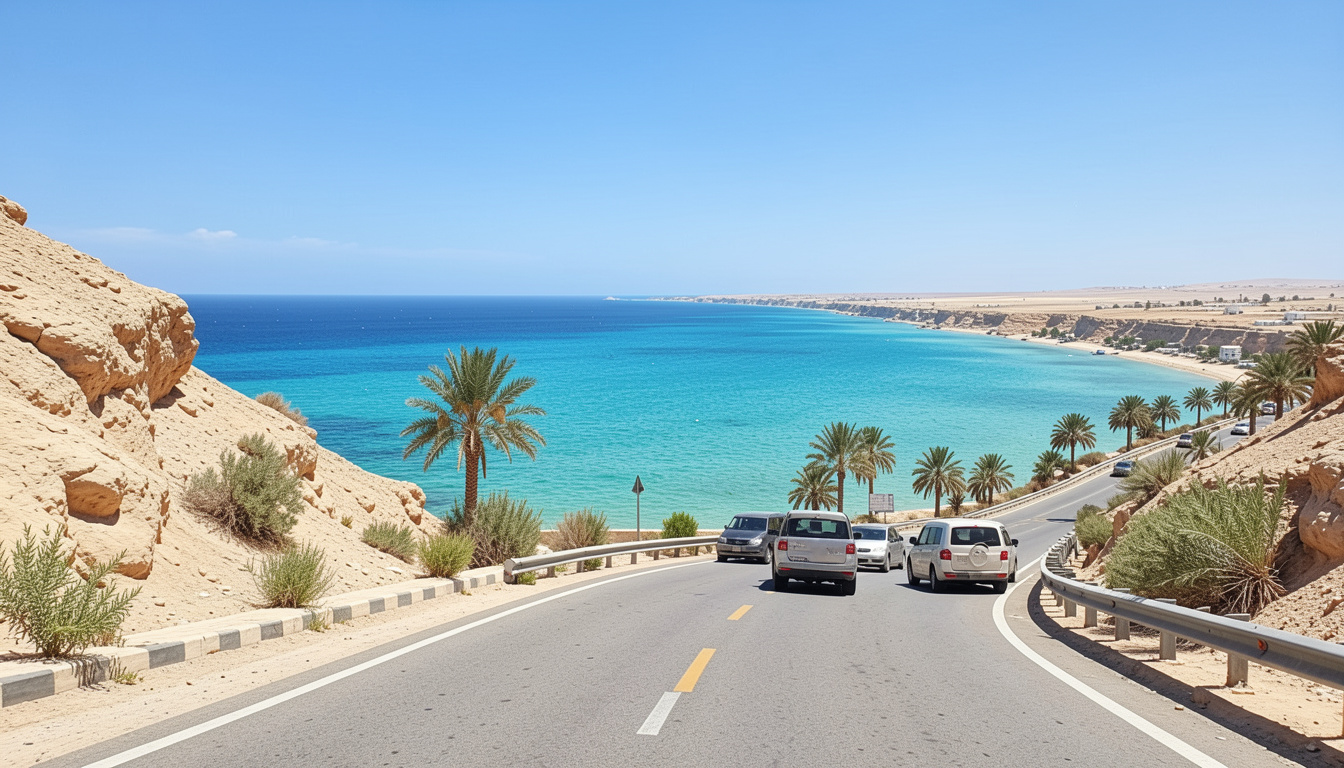
Saudi Arabia Road Trips: 7 Scenic Routes to Explore
Saudi Arabia Road Trips offer travellers an unforgettable way to discover the Kingdom beyond its major cities. From the dramatic mountains of Asir and Taif to the golden deserts surrounding Riyadh, the ancient landscapes of AlUla and the beautiful Red Sea coastline, travelling by road reveals the country’s remarkable geographical and cultural diversity.
With modern highways, improving tourism infrastructure and a growing range of accommodation options, Saudi Arabia is an exciting destination for travellers who enjoy exploring at their own pace. A self-drive journey allows visitors to discover traditional villages, stop at scenic viewpoints, experience regional cuisine and explore attractions that may not fit into a conventional city-based holiday.
Whether you are planning a weekend escape, a mountain adventure or a longer journey across several regions, Saudi Arabia has routes suited to different travel styles. This guide explores seven scenic road trips, along with the best time to travel, essential driving tips, local food experiences and practical advice for planning your journey.
Why Choose Saudi Arabia Road Trips?
A road trip offers a more flexible way to experience Saudi Arabia. Rather than travelling directly between major destinations, visitors can explore the landscapes and communities that lie along the way.
The Kingdom’s varied terrain makes road travel particularly interesting. Within a single itinerary, travellers may encounter mountain passes, open desert, coastal scenery, agricultural terraces, historic settlements and modern urban landscapes.
Some of the biggest advantages of Saudi Arabia road trips include:
- Freedom and flexibility: Adjust your itinerary according to your interests, travel pace and available time.
- Scenic photography: Discover mountain viewpoints, desert horizons, coastal sunsets and striking rock formations.
- Cultural experiences: Visit traditional villages, local markets and heritage attractions.
- Regional food: Sample local dishes, traditional coffee and regional specialities along the route.
- Access to nature: Explore landscapes and outdoor attractions beyond major urban centres.
- Personalised itineraries: Combine sightseeing, relaxation, adventure and food experiences in one journey.
For travellers who enjoy spontaneous stops and discovering places beyond popular tourist attractions, driving can make the journey as memorable as the destination.
1. Abha to Rijal Almaa: A Scenic Mountain Drive
The drive from Abha to Rijal Almaa is one of the most appealing Saudi Arabia road trips for visitors interested in mountain scenery, traditional architecture and regional heritage.
Located in the Asir region, Abha is surrounded by elevated landscapes, green hills and viewpoints that offer a different perspective on Saudi Arabia. As the road winds through the mountains, travellers can experience changing elevations, dramatic valleys and villages that reflect the area’s distinctive architectural traditions.
Rijal Almaa Heritage Village is a major highlight of this journey. Known for its traditional stone buildings and colourful decorative details, the village offers an opportunity to explore the region’s cultural history and architectural character.
Other experiences to consider include mountain viewpoints, agricultural terraces, local honey products and traditional markets. Travellers can also look for cafés and restaurants serving regional food.
The route is particularly suitable for photographers, families and visitors who prefer cultural exploration alongside outdoor experiences. However, mountain roads can include steep sections and sharp bends, so drivers should check road conditions and allow sufficient time for stops.
Best for: Mountain scenery, heritage, photography and cultural experiences.
2. Riyadh to AlUla: A Journey Through History
The journey from Riyadh to AlUla offers a rewarding road trip for travellers who want to combine desert scenery with history and archaeology.
Leaving the capital, the landscape gradually transitions into expansive open terrain, with changing rock formations and wide desert horizons along the wider journey. Reaching AlUla introduces visitors to a destination known for its archaeological heritage, sandstone formations and distinctive cultural experiences.
One of the region’s most significant attractions is Hegra, Saudi Arabia’s first UNESCO World Heritage Site. Its monumental rock-cut tombs provide a glimpse into the history of the Nabataean civilisation.
Elephant Rock is another popular landmark, recognised for its naturally formed shape and striking desert surroundings. Travellers can also explore AlUla Old Town, discover local heritage and experience the destination’s restaurants and hospitality offerings.
Maraya, the mirrored architectural landmark in the AlUla landscape, is another attraction worth researching when planning an itinerary. Access to individual attractions and events may depend on current schedules and booking arrangements.
Because Riyadh and AlUla are far apart, this journey requires careful planning. Many travellers may prefer to break up the drive or consider alternative transport options for part of the trip. Those choosing to drive should plan fuel stops, overnight accommodation and driving hours in advance.
Best for: History, archaeology, dramatic landscapes and cultural tourism.
3. Jeddah and the Red Sea Coast: A Coastal Escape
For travellers who prefer the sea to the mountains, exploring Jeddah and the Red Sea coast offers a different kind of Saudi Arabian road trip.
Jeddah provides a combination of urban attractions, waterfront experiences, restaurants and access to coastal leisure activities. Visitors can explore the city’s historic districts, enjoy seaside walks and discover its dining scene before continuing towards suitable coastal destinations.
The wider Red Sea region is known for its marine environments, clear waters in selected locations, coral reefs and developing tourism infrastructure. Depending on the destination and available services, travellers may be able to arrange snorkelling, diving, beach visits or resort stays.
Food is another highlight. Seafood restaurants provide opportunities to sample regional flavours, while waterfront cafés offer places to relax after a day of sightseeing.
Travellers should research their intended coastal stops carefully because distances between destinations can be substantial. Some resorts, beaches and marine activities may require advance reservations or access through designated operators.
The Red Sea route works well for couples, families and visitors who want to combine city exploration with relaxation. It can also be incorporated into a longer itinerary featuring other western Saudi Arabian destinations.
Best for: Beaches, seafood, marine activities and relaxing coastal stays.
4. Taif to Al-Baha: Explore the Green Highlands
The route between Taif and Al-Baha is an excellent option for travellers looking for mountain scenery, cooler highland environments and a slower-paced journey.
Taif is associated with rose cultivation, mountain surroundings and traditional markets. Depending on the season, visitors may find opportunities to learn more about the region’s rose-growing heritage and related products.
As the journey continues towards Al-Baha, travellers can explore elevated landscapes, forested areas, villages and viewpoints. The region provides a contrast to the open desert scenery found in many other parts of the Kingdom.
Potential stops include mountain viewpoints, local cafés, traditional markets and scenic areas suitable for photography. Travellers who enjoy nature can also research walking routes and outdoor attractions near their chosen accommodation.
The route is well suited to families and visitors who want a relaxing break without filling every day with scheduled activities. Stopping along the way also creates opportunities to experience local hospitality and discover smaller communities.
Weather conditions can change with elevation, and mountain roads may require additional care. Drivers should check forecasts, visibility and road conditions before departure, particularly when travelling during periods of fog or rain.
Best for: Highland scenery, rose heritage, nature and relaxed travel.
5. Asir Highlands Circular Road Trip
Travellers who want to spend several days exploring mountain landscapes can create a circular itinerary through the Asir Highlands.
Beginning in Abha, the route can include destinations such as Al-Soudah, nearby mountain viewpoints, Tanomah and Rijal Almaa, depending on available time and road conditions. This approach allows visitors to explore the region without rushing between distant destinations.
Al-Soudah is known for its elevated mountain setting and expansive views. Tanomah offers access to highland scenery and outdoor experiences, while Rijal Almaa provides a cultural dimension through its historic architecture.
The region also offers opportunities to discover local cafés, regional cuisine, traditional villages and agricultural landscapes. Travellers interested in photography may find changing weather and cloud formations particularly appealing, although visibility cannot be guaranteed.
A circular itinerary is useful because it can be adapted to a long weekend or a longer holiday. Visitors can choose to spend additional nights in one location rather than changing accommodation every day.
During warmer months, the highlands may provide a more comfortable alternative to hotter lowland destinations. Nevertheless, temperatures and weather vary by location and season, so checking the forecast remains important.
Best for: Multi-day mountain exploration, outdoor activities and cultural discoveries.
6. Riyadh to the Edge of the World: A Desert Adventure
The Edge of the World, northwest of Riyadh, is a striking natural attraction for travellers interested in geological landscapes and desert scenery.
Known for its towering cliffs and expansive views across the surrounding plains, the destination provides a dramatic contrast to the capital’s modern skyline. The landscape can be particularly impressive when the light changes near sunrise or sunset.
Visitors often travel to the area for photography, hiking and outdoor exploration. However, the experience requires more preparation than a conventional city excursion because access conditions and facilities can vary.
Before leaving Riyadh, travellers should research the route, check whether their chosen access road is suitable for their vehicle and confirm local conditions. Some approaches may involve rough terrain, making an appropriate vehicle and careful driving essential.
Carry sufficient drinking water, food, a charged phone and offline navigation maps. Travellers should avoid approaching cliff edges and should not attempt unfamiliar off-road routes without the necessary experience and equipment.
Camping or stargazing should only be planned after checking local permissions, access restrictions and safety conditions.
This trip can be completed as a carefully planned excursion from Riyadh, but the amount of time required depends on the route, vehicle and conditions.
Best for: Desert landscapes, photography, hiking and outdoor adventure.
7. Jazan to the Farasan Islands: A Coastal and Island Journey
For travellers seeking an experience beyond the Kingdom’s major cities, a journey towards Jazan and the Farasan Islands combines road travel with coastal exploration.
Jazan, in southwestern Saudi Arabia, provides a starting point for discovering the region’s coastline, local food and cultural character. From there, travellers can investigate ferry connections to the Farasan Islands and plan an island visit around the available sailing schedule.
The islands are known for their marine environments, coastal scenery, wildlife and historic settlements. Visitors may be able to explore beaches, discover local heritage and enjoy the quieter atmosphere of island communities.
The surrounding waters are associated with coral reefs and marine biodiversity, making the area interesting for travellers who enjoy nature. However, wildlife encounters and marine activities depend on conditions, local regulations and the availability of suitable operators.
This journey requires more coordination than a straightforward drive because the island portion depends on ferry services. Travellers should confirm schedules, ticket arrangements, vehicle transport rules and any accommodation requirements before departure.
Allow additional time for transport connections and avoid building an itinerary around an unverified ferry departure.
Best for: Island exploration, coastal scenery, marine environments and regional culture.
Best Time for Saudi Arabia Road Trips
Choosing the right season can make a significant difference to comfort and driving conditions. Saudi Arabia’s climate varies by region, elevation and time of year, so the best travel period depends on the route.
October to April: These months generally provide more comfortable conditions for many desert, lowland and heritage destinations. They are worth considering for journeys around Riyadh, AlUla and other areas where daytime heat can be challenging during summer.
Summer months: Elevated destinations such as Abha, the Asir Highlands, Taif and Al-Baha may offer a more appealing alternative to hotter lowland regions. Conditions still vary, and mountain weather can change quickly.
Coastal destinations: Plan Red Sea visits according to local temperatures, humidity and the activities you intend to enjoy.
Regardless of the season, check the forecast before long drives. Avoid prolonged exposure to extreme heat, schedule breaks and reconsider outdoor activities if conditions become unsafe.
Essential Tips for Driving in Saudi Arabia
Good preparation helps make a road trip more comfortable and reduces avoidable risks.
- Check your vehicle: Inspect tyres, brakes, lights, fluid levels and air conditioning before departure.
- Plan fuel stops: Identify petrol stations along long or remote stretches rather than assuming they will always be nearby.
- Carry drinking water: Keep enough water for everyone travelling, particularly on desert routes.
- Download offline maps: Mobile coverage may be limited in remote areas.
- Check weather and road conditions: Fog, rain, extreme heat and other conditions can affect driving.
- Follow traffic laws: Observe speed limits, seat-belt rules, parking regulations and restrictions on mobile phone use while driving.
- Prepare emergency contacts: Keep your phone charged and know how to request assistance.
- Book accommodation: Reserve rooms in advance during busy periods or when visiting remote destinations.
- Plan daylight driving: Where possible, avoid unfamiliar remote routes after dark.
- Respect local environments: Follow access restrictions, avoid littering and leave heritage sites undisturbed.
International visitors should also confirm their driving licence requirements, rental eligibility and insurance coverage before collecting a vehicle.
Must-Try Saudi Food Along the Way
Food is an important part of exploring Saudi Arabia by road. Stopping at local restaurants and cafés offers an opportunity to experience regional traditions and discover dishes that vary across the Kingdom.
Kabsa, a rice dish commonly prepared with meat and aromatic spices, is widely associated with Saudi cuisine. Mandi is another popular option, while jareesh offers a different texture and flavour profile through its preparation with crushed wheat.
In the western and highland regions, travellers may encounter local variations of traditional dishes and regional specialities. Saleeg, a rice-based dish associated with the Hijaz region, is worth looking for when exploring suitable destinations.
Along the Red Sea coast, seafood can be a highlight, depending on the location and restaurant. Visitors to Asir can also look for locally produced honey, while dates and Arabic coffee, or gahwa, offer familiar elements of Saudi hospitality.
Rather than planning every meal in advance, leave room for local recommendations while checking restaurant opening hours and availability.
Why Saudi Arabia Is Becoming a Road Trip Destination
Saudi Arabia’s combination of heritage, natural scenery, urban attractions and developing tourism infrastructure makes it an appealing destination for self-drive travel.
Visitors can combine modern city experiences with archaeological sites, mountain villages, desert landscapes and coastal destinations. This variety allows travellers to design itineraries around their interests rather than limiting their holidays to one city.
Road trips also encourage a closer look at regional differences, from the architecture and landscapes of Asir to AlUla’s ancient heritage and the marine environments of the Red Sea.
For travellers who value flexibility, driving offers opportunities to spend longer at favourite stops, discover local restaurants and adjust their schedules according to the experience they want.
However, the country’s size means that realistic planning is essential. Choosing a focused route and allowing enough time for driving will generally create a more comfortable journey than trying to cover too many regions in a single trip.
Final Thoughts
Saudi Arabia road trips provide an exciting way to discover the Kingdom’s landscapes, culture, food and heritage beyond its major cities. From the mountain roads of Asir and the highlands around Taif and Al-Baha to the historic attractions of AlUla, the Red Sea coast and the dramatic cliffs of the Edge of the World, every route offers a different experience.
The best itinerary depends on your available time, travel interests and comfort with long-distance driving. Researching road conditions, planning fuel stops, choosing the right season and checking access arrangements can help you make the most of your journey.
Whether you are planning a short escape or a multi-day adventure, a well-organised road trip offers a memorable way to explore Saudi Arabia at your own pace.
Ready to explore the Kingdom by road? Choose your route, plan your stops and discover Saudi Arabia one destination at a time.
Follow Eat’N Stays for more travel inspiration, destination guides and hospitality news from Saudi Arabia and beyond.