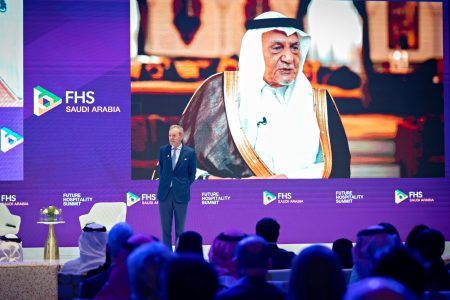



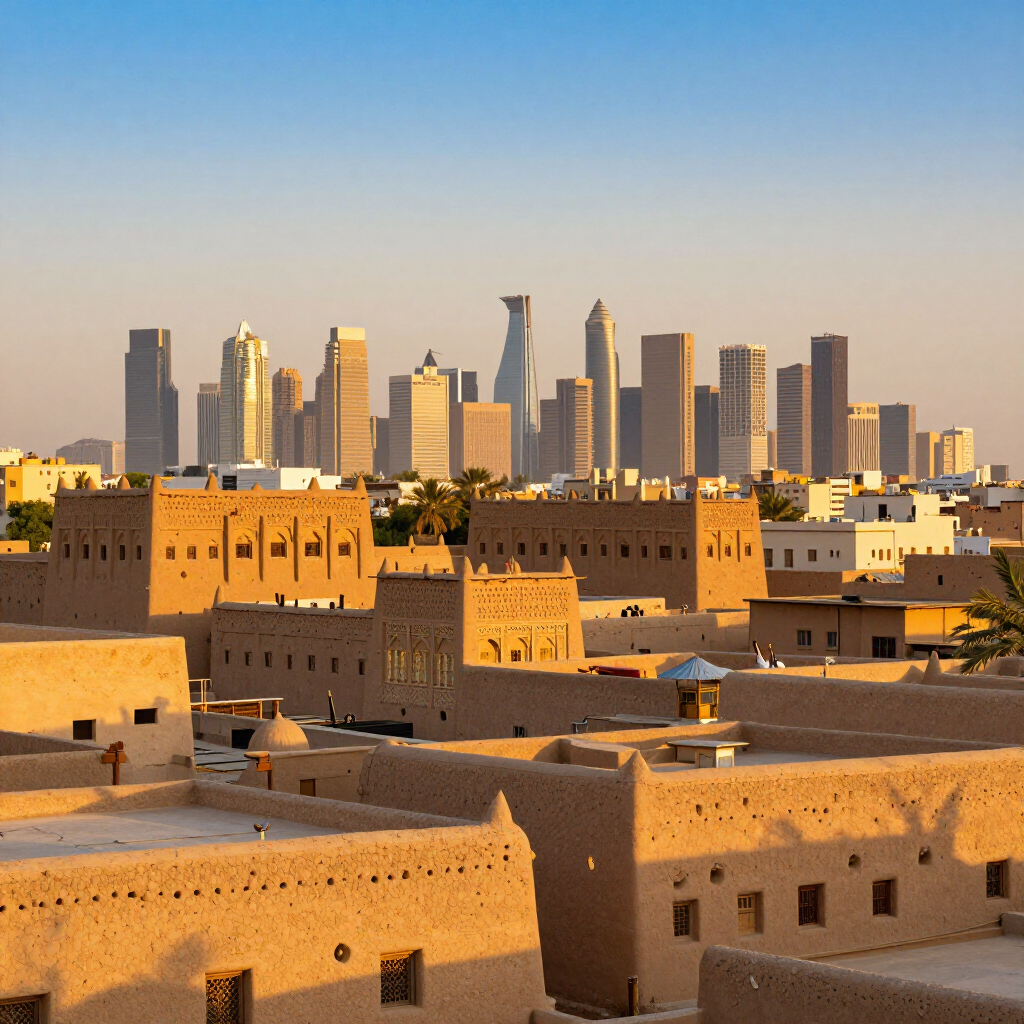
One hundred million visitors arrived in Saudi Arabia by 2023, a milestone reached earlier than expected. Now, moving forward, travel across the country looks different because of it.
The Numbers First
A hundred million travelers visited Saudi Arabia in 2023 – three years sooner than planned under Vision 2030. That goal shifted soon after; today, the aim is 150 million each year by 2027 instead. By 2024, tourism made up 4.5 percent of the nation’s economy. Over 1.5 million workers now have jobs tied to hotels, eateries, sites, and transit services there.
Five years back, this place barely welcomed tourists. Now it ranks among the quickest expanding travel spots globally. Real change drives these numbers, not guesses. Anyone thinking of going there or putting money into businesses needs to grasp what sparked the transformation. Sticking points exist, even with progress made. Figuring out both momentum and hurdles matters just as much.
What’s Different Now for Travelers From Abroad
Visa access
What shifted everything for global travelers? A new visa policy rolled out in 2019, opening doors for people from 63 nations to request entry online or when landing. Until that point, Saudi Arabia hardly welcomed casual tourists – getting in meant having a sponsor or coming for religious reasons only. These days, if your country qualifies, approval often comes through fast, sometimes in just moments.
A fee of 130 US dollars applies to many travelers, allowing a full year of access with several visits permitted and each stay lasting no longer than three months. Though higher when measured against similar countries in the region, it still fits within reach for those planning overseas trips for rest and recreation.
Entertainment and social change
Change hit Saudi Arabia’s entertainment world hard by 2026, something unseen across recent regional memory. Banned since the late eighties, movie theaters came back online in 2018. Gatherings once unheard of – music shows, games, people mingling freely – now happen regularly, backed by support from organizers. What was restricted has become common sight.
Held each year between October and March, Riyadh Season features big names like Mariah Carey, David Guetta, alongside BTS. International motorsport crowds tune in when the Formula E Saudi Prix rolls through, followed by the roar of the Formula 1 Saudi Arabian Grand Prix. Gamers from around the planet log into the Esports World Cup. Never meant just for locals, these happenings pull in visitors who once overlooked this part of the world.
Women’s rights and social norms
Back in 2018, when women were finally allowed to drive, the world took notice. Yet what’s shifted beyond that moment matters just as much to those visiting today. Getting approval from a male relative? Not needed anymore for travel, jobs, or using everyday government services. As for clothing, foreign women now find things looser – no legal need for an abaya out in public. Still, dressing conservatively fits better with local norms and continues to be common practice.
Now women travelling for work or holiday from abroad find it easier to move around Saudi Arabia on their own – something barely possible just a few years back. That shift opens the door to many more visitors arriving from overseas.
The Places You Can Go Right Away
Riyadh
Most of Saudi Arabia’s tourism setup sits right here in Riyadh. Top-end hotels line up beside mid-range options without missing a beat. Events roll through the year, led by the big push of Riyadh Season. Dining spots keep getting better at a quick pace. You can wander into the National Museum any day. Diriyah waits just fifteen minutes outside downtown. Then there’s Boulevard City, growing louder each season. Each place adds something real.
November or December welcomes newcomers to Riyadh best, offering mild weather along with the energy of Riyadh Season. That stretch turns the city into a natural starting place for those exploring Saudi Arabia for the first time. The mix of events plus cooler days makes it feel less overwhelming. Timing your arrival then softens the edges of an unfamiliar landscape. Fewer barriers stand in the way when culture pulses through streets and skies stay clear.
AlUla
Few places feel quite like AlUla – it stands apart across Saudi Arabia and beyond. Carved straight into orange rock, Hegra waited unseen for centuries. Once untouched by tourists, this ancient Nabataean site only opened its gates in 2020. Now travelers find lodging that meets global standards, shaped around history rather than hiding it. Walking tours unfold stories others have long forgotten. Seasonal gatherings bring music, performance, and quiet reflection under open skies. Culture grows here – not rushed, but rooted.
Most people never get close to AlUla – that’s by design. The Royal Commission holds back numbers on purpose. What looks like exclusion is actually part of the experience. Stepping into a UNESCO site without swarms sets it apart. You walk where others rush through packed trails. Fewer footsteps mean more space to move freely. Crowds vanish like dust in wind. This isn’t accident. It’s how it stays whole.
Jeddah
Old Jeddah feels nothing like shiny new Riyadh. Coral stone homes rise here, built long ago by traders who knew the sea well. Instead of glass towers, you find alleyways shaded under wooden balconies. These streets hum with centuries, each corner holding stories inside thick walls. Not far off, the Red Sea waits, clear and warm, full of life beneath waves. Boats head out daily, carrying divers down to reefs where silence speaks louder than sound. This place does not rush. It breathes slow, shaped by wind, salt, and time.
The Red Sea Destination
Open since 2023, the resort on Shura Island in the Red Sea welcomed its first visitors just a few years back. By 2026, more hotels had opened, adding rooms fast. Around these islands sits one of Earth’s biggest untouched coral networks. For diving or looking under the sea, what happens here stands equal to anywhere else on the planet.
What Still Has Friction
Looking at Saudi Arabia’s tourism scene in 2026 means seeing where growth still lags behind ambition. Alcohol stays banned across the country – no shift expected soon, which truly limits appeal for some global visitors. Beyond major urban hubs and planned resorts, facilities are sparse – exploring smaller areas solo demands extra planning compared to similar trips elsewhere in the region. Signs and details in English at historical spots get better slowly, though uneven quality persists.
Most hurdles won’t stop someone ready for them, yet progress keeps moving forward. Still, knowing what to expect ahead of time prevents letdowns.
The Verdict for 2026
Right now, Saudi Arabia stands where few places manage to reach by 2026 – polished, yes, but still untouched in ways that matter. You’ll find AlUla quiet, with space to breathe between footsteps on ancient stone. Over near the coast, Red Sea resorts haven’t hit their peak prices just yet. What’s happening in Riyadh feels alive, fresh off the ground, not looped into every world itinerary. This moment won’t last forever, though it’s here today. Fewer crowds mean rooms stay unhurried, views unblocked. Luxury slips through without the markup. Culture moves at its own rhythm, shaped locally, not stretched for show.
Stay updated on Saudi Arabia and Gulf region travel happenings by following Eat N Stays each day. New hotels appear there regularly along with fresh dining spots worth checking out. Coverage includes openings across restaurants and lodging places throughout the area. Industry shifts in tourism also get regular attention through their updates. Daily insights come straight from the heart of the region’s evolving scene.