



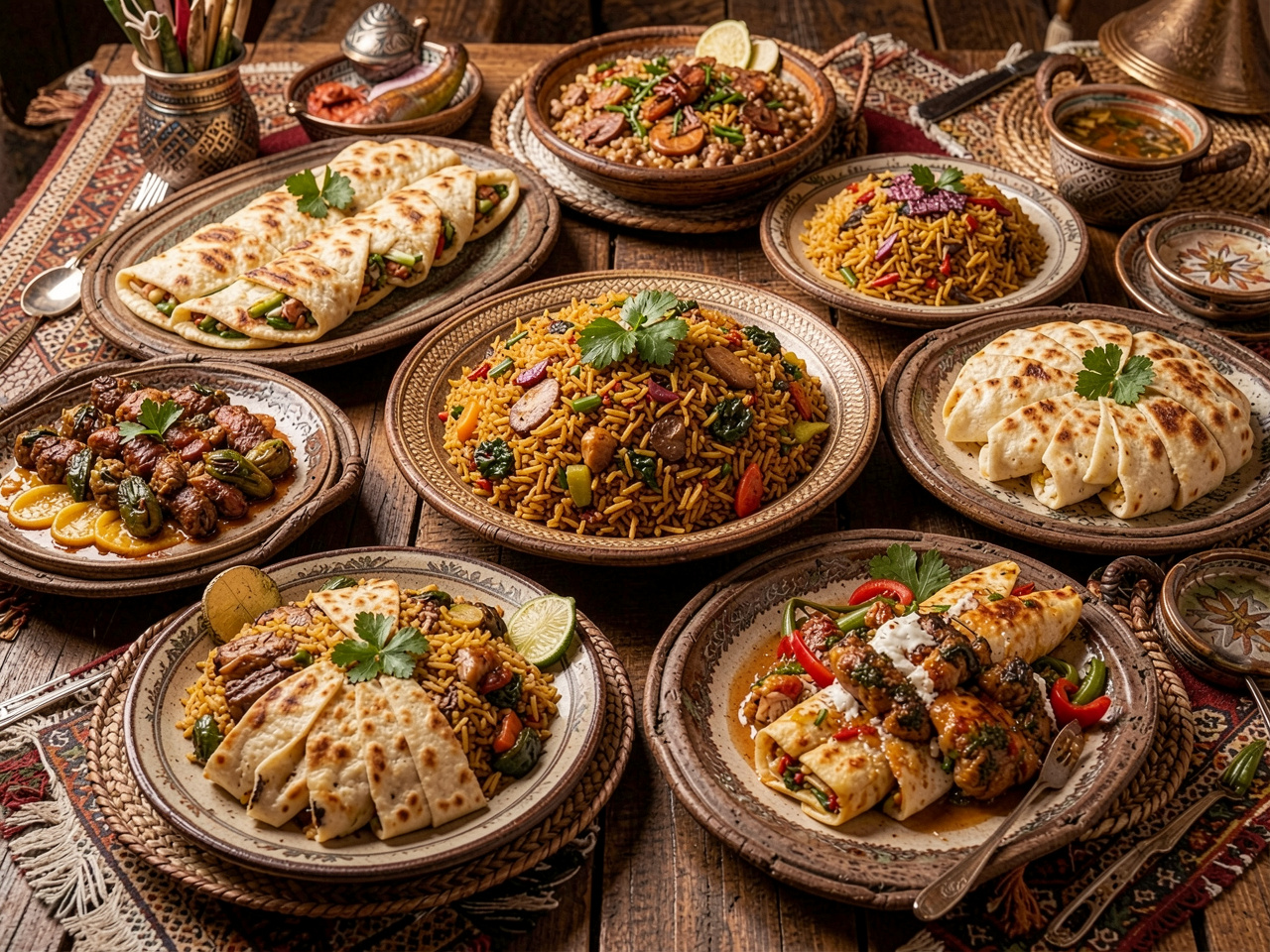
Saudi Arabian Traditional Dishes experiences offer travelers a delicious journey through the Kingdom’s rich culture, history, and hospitality. Saudi Arabia’s cuisine reflects centuries of tradition, influenced by its desert landscapes, coastal regions, ancient trade routes, and diverse communities. From aromatic rice dishes and slow-cooked meats to flavorful breads, sweets, and traditional beverages, Saudi Arabian food tells the story of the people and places that created it.
For visitors exploring the Kingdom, tasting local dishes is more than just a dining experience; it is a way to connect with Saudi culture and discover authentic traditions passed down through generations.
Whether you are visiting Riyadh, Jeddah, AlUla, Abha, or the Red Sea destinations, this Saudi Arabian Food Guide highlights the must-try traditional dishes every traveler should experience.
The Rich Heritage Behind Saudi Arabian Cuisine
Saudi Arabian cuisine has developed over centuries, shaped by the country’s geography and cultural diversity. The Kingdom’s location along historic trade routes introduced different spices, cooking techniques, and ingredients that became part of local traditions.
Hospitality plays a central role in Saudi culture, and food is often used as a way to welcome guests. Traditional meals are commonly shared with family and friends, creating moments of connection and celebration.
Popular ingredients found in Saudi cuisine include:
- Rice
- Lamb and chicken
- Dates
- Wheat
- Spices
- Cardamom
- Saffron
- Local herbs
- Honey
Each region of Saudi Arabia has its own unique flavors, making culinary exploration an essential part of any travel experience.
1. Kabsa: Saudi Arabia’s Most Famous Traditional Dish
No Saudi Arabian Food Guide is complete without mentioning Kabsa, one of the Kingdom’s most iconic dishes.
Kabsa is a flavorful rice-based meal traditionally prepared with long-grain rice, meat, and a blend of aromatic spices. It is usually served with chicken, lamb, or sometimes seafood depending on the region.
The dish is known for its rich flavors created by spices such as:
- Cardamom
- Cinnamon
- Cloves
- Black pepper
- Saffron
Kabsa is commonly enjoyed during family gatherings, celebrations, and special occasions. For travelers, trying Kabsa offers an authentic taste of Saudi hospitality.
2. Mandi: A Flavorful Rice and Meat Experience
Originally popular in southern Arabia, Mandi has become one of the most loved dishes across Saudi Arabia.
The dish consists of tender meat, usually lamb or chicken, cooked slowly with fragrant rice. Traditional preparation involves cooking the meat in a special underground oven, allowing it to develop a unique smoky flavor and soft texture.
Mandi is especially popular in regions such as:
- Jazan
- Asir
- Riyadh
- Jeddah
Its combination of aromatic rice and perfectly cooked meat makes it a must-try dish for every visitor.
3. Jareesh: A Traditional Saudi Comfort Food
For travelers looking to experience authentic home-style Saudi cuisine, Jareesh is a perfect choice.
Made from crushed wheat cooked with yogurt, onions, and spices, Jareesh has a creamy texture and comforting flavor. It is considered a traditional dish that has been enjoyed in Saudi households for generations.
Often served during gatherings and celebrations, Jareesh represents the simplicity and warmth of Saudi cooking traditions.
4. Saleeg: A Creamy Rice Specialty from the Western Region
A highlight of any Saudi Arabian Food Guide is Saleeg, a traditional dish especially associated with the Hijaz region.
Saleeg is prepared using rice cooked with milk and broth, creating a creamy texture similar to a rice pudding but with savory flavors. It is usually served with roasted chicken or meat.
Popular in cities like Taif and Makkah, Saleeg reflects the culinary identity of western Saudi Arabia.
5. Mutabbaq: A Popular Saudi Street Food
Travelers exploring Saudi cities should not miss Mutabbaq, a delicious stuffed flatbread that is popular as street food.
The dish consists of thin dough filled with ingredients such as:
- Minced meat
- Eggs
- Vegetables
- Spices
It is then cooked until golden and crispy.
Mutabbaq is a favorite among locals and visitors because it is affordable, flavorful, and easy to enjoy while exploring markets and city streets.
6. Samboosa: A Ramadan Favorite
Similar to samosas found in other parts of the world, Samboosa is a popular Saudi appetizer, especially during Ramadan.
These crispy pastry pockets are filled with different ingredients, including:
- Minced meat
- Cheese
- Vegetables
Served hot and crunchy, Samboosa is a common part of Saudi evening meals and family gatherings.
7. Dates: A Symbol of Saudi Hospitality
Dates hold a special place in Saudi culture and are an essential part of any Saudi Arabian Food Guide.
Saudi Arabia produces some of the world’s finest dates, with varieties including:
- Ajwa
- Sukkari
- Medjool
- Khudri
Traditionally, guests are welcomed with dates and Arabic coffee, representing generosity and hospitality.
Visitors can explore local date markets and experience the variety of flavors available across the Kingdom.
8. Arabic Coffee: More Than Just a Beverage
Saudi Arabic coffee, known locally as Gahwa, is deeply connected to Saudi traditions.
Prepared with lightly roasted coffee beans, cardamom, and sometimes saffron or other spices, Gahwa is usually served in small cups alongside dates.
In Saudi culture, serving coffee is a gesture of respect and friendship. Travelers should experience this tradition to better understand the importance of hospitality in Saudi society.
9. Kunafa and Traditional Saudi Desserts
Saudi Arabia offers a variety of delicious desserts that complete the dining experience.
Popular sweet treats include:
Kunafa
A famous Middle Eastern dessert made with shredded pastry, cheese, and sweet syrup.
Ma’amoul
A traditional cookie filled with dates or nuts.
Basbousa
A sweet semolina-based dessert enjoyed across the region.
These desserts showcase the sweeter side of Saudi culinary traditions.
Regional Food Experiences Across Saudi Arabia
One of the best parts of exploring Saudi cuisine is discovering how flavors change from one region to another.
Riyadh
The capital offers a mix of traditional Najdi dishes and modern restaurants serving Saudi-inspired cuisine.
Jeddah
Known for its coastal location, Jeddah features seafood dishes and Hijazi specialties.
Asir
Mountain cuisine in Asir includes unique flavors influenced by local ingredients and traditional cooking methods.
AlUla
Visitors can enjoy heritage-inspired dining experiences surrounded by ancient landscapes.
Red Sea Destinations
Coastal areas offer fresh seafood combined with traditional Saudi flavors.
Why Food Should Be Part of Your Saudi Travel Experience
A journey through Saudi Arabia is incomplete without exploring its culinary heritage.
Food connects travelers with local communities, traditions, and stories that cannot always be discovered through sightseeing alone. Every dish reflects the history, environment, and culture of the region where it originated.
This Saudi Arabian Food Guide shows that Saudi cuisine is diverse, flavorful, and deeply connected to the country’s identity.
From enjoying Kabsa with locals to drinking Arabic coffee in a traditional setting, every meal provides a chance to experience authentic Saudi hospitality.
Final Thoughts
Saudi Arabia’s food culture offers travelers an unforgettable combination of flavors, traditions, and experiences. The Kingdom’s cuisine represents generosity, history, and regional diversity.
Whether you are a food lover, cultural explorer, or first-time visitor, exploring traditional dishes should be an essential part of your itinerary.
Use this Saudi Arabian Food Guide as your culinary roadmap and discover the flavors that make Saudi Arabia one of the most exciting destinations for food and travel experiences.