



By Alexander Ponomarev, CEO of Syrve MENA
Ramadan brings families together, gathering around tables for meals, where they share old traditions and stories. Yet, in the UAE, the way people eat together is shifting quickly. You can see it everywhere: families filling up busy mall restaurants, ordering food with a tap on their phones, as the latest technology quietly works in the background.
Family dining isn’t quite the same as it used to be. Now, it’s a blend of old traditions, a focus on health, and the convenience of modern life
This shift has been building for years. Young people who grew up with smartphones, a mix of cultures from everywhere, and a restaurant scene that’s exploded with new choices – all of these have pushed the change forward. Now, all these influences are coming together, creating a new idea of what family meals should look like.
The New Heart of Family Life: Local, Accessible, and Social
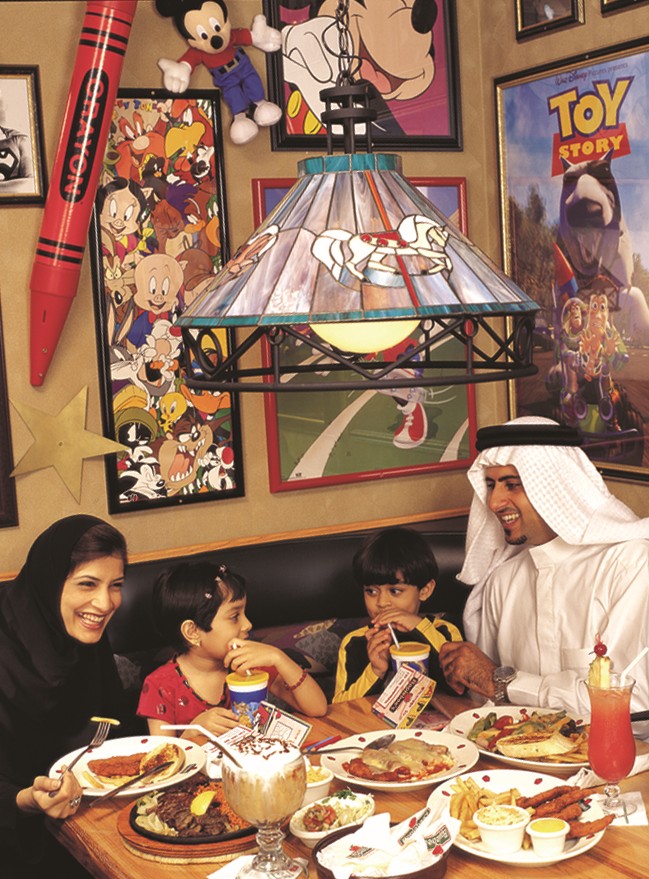
Gone are the days when fine dining or family gatherings were confined to large Friday brunches or special celebrations. Now, families in the UAE don’t need an excuse. Eating out has become part of everyday life – often at nearby eateries and shopping malls that provide comfort, lots of food options, and – let’s be honest – easy parking.
Restaurants are adapting quickly. Casual venues are now, to a large extent, designed for connection. Comfortable seating, shared platters, and community-style service are redefining what it means to “eat out together.”
During Ramadan, especially for evening iftars, this shift becomes even more pronounced. The spots that really attract crowds are those that get both atmosphere and accessibility just right.
What is interesting is that this preference for local, relaxed venues is not only about accessibility or price. It reflects a deeper desire among UAE families to integrate dining out into their everyday lives, not just their special occasions. The neighbourhood restaurant has become an extension of the home.
Menus for Every Generation
Another interesting change is the rise of multi-generational menus. Whether it is a grandparent seeking lighter options, parents craving comforting classics, or children wanting something fun and familiar, restaurants are learning how to satisfy everyone around the table.
Syrve MENA’s clients have spotted a trend: people crave healthy, nutritious choices just as much as the classics they love. Fresh, balanced, and locally inspired dishes are popular across age groups – they’re what UAE families now look for. Now this is a basic expectation.
Menus are becoming more adaptable and much more informative. Diners want to know what’s in their meals, where ingredients are sourced, and how everything is prepared. Restaurants that are transparent, whether on printed menus or digital displays, win customers’ trust. And trust keeps guests coming back.
The Hidden Engine: Technology at the Table
There’s more happening than you might realise. Technology is quietly transforming the dining experience, even if diners don’t immediately see it. Today’s families expect smoother andsmarter service, and modern restaurant technology makes it possible.
Features like split bills, pre-orders, and digital loyalty programmes simplify group dining, removing the small frictions that can detract from a meal. AI point-of-sale systems enable restaurants to make quick adjustments. One of our clients, for example, used Syrve’s real-time analytics to reallocate staff during the iftar rush and cut wait times by 20%.
For example, if a restaurant notices that iftar is lasting longer than expected or a certain dish suddenly becomes very popular, they can make changes instantly. They might reassign staff, order extra ingredients, or update the menu’s appearance.
Syrve’s data illustrates just how dramatic this shift is. Overall, total orders during Ramadan are approximately 39% lower than in a comparable non‑Ramadan period (1,638,465 versus 2,692,641 orders). The morning business segment almost disappears: between 05:00 and 11:00, there are only 1–3 thousand orders per hour, compared with 37,000–110,000+ in regular periods. In other words, the morning staff are almost redundant during Ramadan.
The real action moves into the evening and night. Between 19:00 and 23:00, Ramadan orders surge to 175,000–208,000 per hour (peaking at 208,468 at 21:00), versus 126,000–150,000 in normal times. That’s a 30–40% stronger evening demand. Overall, demand is compressed into two clear peaks: 19:00–22:00 (post‑iftar) and 00:00–02:00 (late‑night suhoor), while non‑Ramadan demand is more evenly spread from lunchtime through the evening.
When volumes spike, service windows tighten, and guest expectations rise, it’s easy to fall behind if you’re just going with your instincts. The operators who rely on data – who know exactly which tables turn over quickest, which dishes sell outfirst, and how long guests actually stay – pull ahead, plain and simple.
A New Kind of Tradition
In the end, the family table is just taking on a new form. In many ways, it’s a lot like the UAE itself, where traditions blend with new ideas to create something fresh and exciting.
For restaurants to succeed here, they need to understand that. The ones that flourish are those that honour those customs of sharing meals and welcoming guests. That’s the essence of dining in this part of the world.
In the coming years, this evolution will only accelerate. As younger, digitally native generations start their own families, and as data and AI become standard in restaurant operations, the line between home and “out” dining will blur even further.
The most successful operators will be those who not only respect today’s habits, but also anticipate tomorrow’s – using insight, technology, and a deep understanding of local culture to keep the family table, in all its new forms, at the centre of UAE life.