


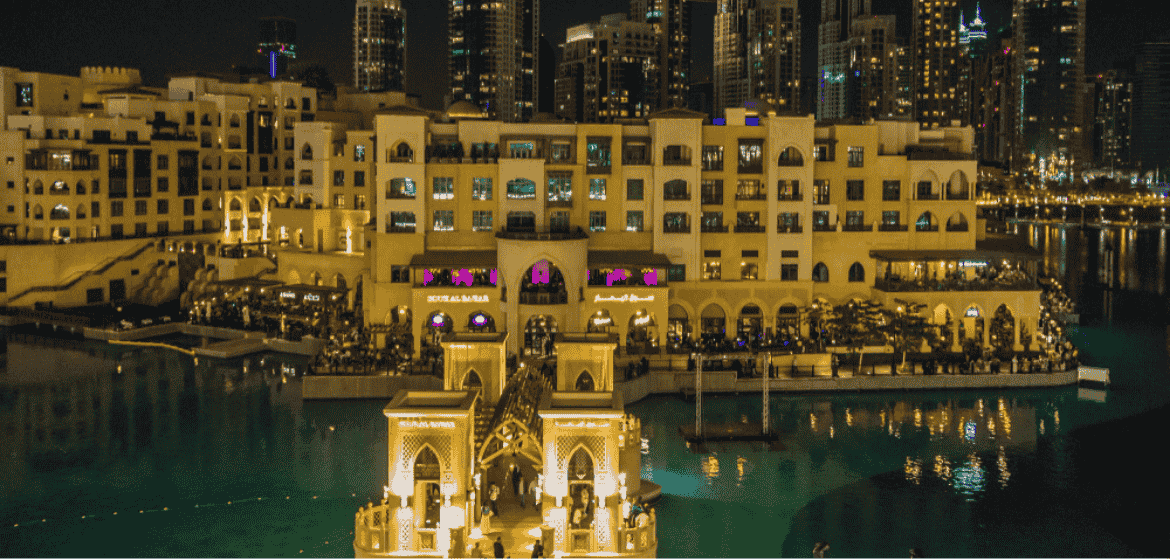
Hotels in Saudi Arabia are becoming an important part of the Kingdom’s transformation into a global tourism destination. As tourism supports economic diversification and new destinations attract international attention, the country’s hospitality sector is evolving to meet changing expectations around comfort, luxury, service, technology, and authentic experiences. From modern city properties to peaceful desert retreats and coastal resorts, hotels now offer travelers a wider choice of ways to experience Saudi Arabia.
The Kingdom’s accommodation landscape serves a diverse range of visitors, including business professionals, families, leisure travelers, pilgrims, and adventure seekers. Alongside established hospitality markets in cities such as Riyadh, Jeddah, Makkah, and Madinah, developing destinations such as AlUla and the Red Sea coast are introducing distinctive stays that combine local culture with contemporary design.
This growth reflects a wider shift in Saudi tourism. Hotels are no longer simply places to sleep between activities; they increasingly contribute to the travel experience itself. Their design, dining, wellness facilities, service standards, and connection to local surroundings all influence how visitors discover the country.
The Evolution of Hospitality in Saudi Arabia
Saudi Arabia has long welcomed visitors for religious travel, particularly to Makkah and Madinah. Over time, its hospitality industry has expanded to accommodate a broader mix of travel purposes. Business events, entertainment, cultural tourism, leisure holidays, and major international gatherings are contributing to demand for different types of accommodation.
Hotels in Saudi Arabia are responding by developing services and experiences for travelers with varied expectations. International visitors may look for familiar service standards and convenient transport, while domestic guests may prioritize family facilities, weekend experiences, or access to entertainment. Business travelers often value meeting spaces, reliable connectivity, and proximity to commercial districts.
The sector is also balancing international hospitality practices with Saudi traditions and cultural identity. This combination can create experiences that feel familiar in terms of comfort while remaining distinctive to the destination. As tourism continues to develop, the ability to serve different audiences will remain an important part of the industry’s progress.
A Wide Range of Hotel Categories
One of the key strengths of the Saudi hospitality market is the variety of accommodation available. Travelers can choose from luxury properties, business hotels, family-oriented accommodation, resorts, boutique stays, and budget-friendly options depending on their destination and travel plans.
Luxury hotels focus on premium rooms, personalized service, fine dining, wellness facilities, and carefully designed surroundings. Business hotels typically prioritize practical amenities, meeting rooms, workspaces, and convenient access to offices or event venues. Resorts place greater emphasis on relaxation, recreation, scenery, and activities that encourage guests to spend more time at the property.
Mid-range and budget hotels are equally important because they offer accessible options for travelers who want dependable comfort without paying for extensive luxury facilities. The right choice depends on the purpose of the trip, the length of stay, location, and available budget.
For visitors comparing hotels, it is worth checking what the room rate includes. Breakfast, parking, resort access, transport, and additional service charges can affect the overall value of a booking. Reviewing recent guest feedback and cancellation policies can also help travelers make more informed decisions.
Urban Hotels in Major Cities
Riyadh, Jeddah, and Dammam play important roles in Saudi Arabia’s business and urban travel markets. Their hotels serve corporate visitors, government delegations, event attendees, families, and tourists exploring city attractions.
In Riyadh, accommodation choices range from business-focused properties near commercial districts to hotels suited to shopping, dining, and entertainment trips. The city’s combination of contemporary development and cultural attractions makes location an important consideration when booking a stay. Visitors can explore the official Visit Saudi guide to Riyadh to learn more about the capital’s attractions and experiences.
Jeddah offers a different atmosphere, combining a Red Sea setting with historic neighborhoods, restaurants, shopping, and coastal attractions. Hotels here may appeal to visitors seeking a city break, a business trip, or a base for exploring the western region. Dammam and the wider Eastern Province also serve business and leisure travelers, with access to commercial centers and the Gulf coastline.
Urban hotels commonly offer meeting facilities, restaurants, fitness centers, high-speed internet, and services designed to make short stays more efficient. For guests combining work and leisure, choosing accommodation close to both business appointments and attractions can help make better use of their time.
Destination and Leisure-Focused Properties
Beyond the major cities, destination-led tourism is expanding the range of experiences available to visitors. Hotels and resorts are increasingly designed around the landscapes, culture, and activities that make each location distinctive.
AlUla is known for its archaeological heritage, dramatic rock formations, desert scenery, and cultural experiences. Accommodation in the area can range from outdoor-inspired stays to high-end resorts, giving travelers different ways to experience the destination. The official Visit Saudi AlUla guide provides information about its heritage sites, landscapes, and visitor experiences.
The Red Sea coast is developing a different hospitality offering, with island resorts, marine activities, and design-led properties that place the natural environment at the center of the guest experience. Red Sea Global describes its destination as a combination of luxury tourism and regenerative development. Travelers can explore its official overview of The Red Sea for details about the destination and its hospitality projects.
These locations demonstrate how accommodation can become a central reason to travel. Rather than choosing a hotel only for its proximity to an attraction, guests may select a destination because of the property’s architecture, scenery, privacy, or access to activities. This approach creates opportunities for longer stays and more immersive travel experiences.
Service Excellence and Guest Comfort
Service quality remains a fundamental part of the hotel experience. A well-designed property can attract attention, but consistent service helps determine whether guests leave satisfied and recommend the hotel to others.
Hotels in Saudi Arabia can strengthen guest experiences through attentive staff, efficient check-in, clean rooms, comfortable bedding, responsive housekeeping, and clear communication. Multilingual assistance may be especially useful for international visitors, while culturally aware service helps ensure that different guest needs are handled respectfully.
Practical details also make a difference. Clear information about dining hours, transport options, accessibility, room facilities, and local attractions can reduce uncertainty during a stay. When problems arise, a timely and helpful response can have a major impact on the overall impression of a property.
Travelers should consider more than star ratings when evaluating accommodation. Recent reviews can reveal useful information about cleanliness, noise, staff responsiveness, maintenance, and whether the services advertised match the actual experience. Comparing these details with personal priorities is often more useful than relying on photographs alone.
Dining and Culinary Experiences
Dining has become an important part of modern hotel hospitality. Restaurants, cafés, lounges, and room-service options allow hotels to serve both overnight guests and local residents. In major cities, hotel dining can also attract business meetings, celebrations, and special occasions.
Food offerings may include international cuisines, regional specialties, casual meals, and premium dining experiences. Incorporating Saudi dishes and local ingredients can help introduce visitors to the country’s culinary traditions while giving the property a stronger sense of place.
For guests, dining convenience can be particularly valuable during business trips, family holidays, or stays in destinations where nearby restaurants are limited. Travelers with dietary requirements should check menus and contact the hotel in advance if they need confirmation about available options.
A hotel’s culinary experience can therefore contribute to more than convenience. When food reflects the destination and is supported by thoughtful service, it becomes another way for visitors to connect with local culture.
Technology and Innovation in Hotels
Technology is changing how travelers discover, book, and use hotel services. Digital reservations, mobile confirmations, online payment options, and messaging services have made parts of the guest journey more convenient. Some properties also offer digital check-in, mobile room controls, and personalized recommendations.
For business travelers, reliable Wi-Fi, charging facilities, and functional workspaces are often essential. Leisure travelers may appreciate quick access to restaurant information, transport guidance, activity bookings, and requests for housekeeping or additional amenities.
Technology can also help hotel teams coordinate tasks and respond to guest requests more efficiently. However, digital services work best when they support rather than replace human assistance. Guests should still have access to staff when a request is complex or requires personal attention.
As hotels continue to modernize, the priority should be to make the stay easier without making it impersonal. Simple booking processes, accurate information, secure payments, and responsive support can improve the experience for a wide range of visitors.
Family-Friendly Hospitality
Family travel is an important consideration for accommodation providers in Saudi Arabia. Families may need larger rooms, connecting options, convenient dining, and facilities that make traveling with children more comfortable. Multi-generational groups may also value shared spaces and services that accommodate different ages.
When comparing hotels, families should check the actual room layout rather than assuming that every family room offers the same space. It is also helpful to confirm the availability of children’s meals, cots, accessible facilities, swimming pools, or supervised activities where relevant.
Location can be just as important as amenities. A property near attractions, shopping, restaurants, or suitable transport options may reduce the time and effort required to plan each day. Families visiting religious or cultural destinations may also want to consider travel time to their main places of interest.
Clear information before booking helps families choose accommodation that suits their needs and avoids unexpected costs. Hotels that provide practical services alongside a welcoming atmosphere can create a more comfortable experience for both adults and children.
Sustainability and Responsible Hospitality
Sustainability is becoming a more visible part of destination development. Hotels depend on natural resources, energy, water, and local infrastructure, making responsible operations important for both the environment and long-term tourism growth.
Possible measures include energy-efficient lighting and cooling, water-saving fixtures, waste reduction, responsible purchasing, and reduced use of single-use materials. Properties in sensitive coastal and desert environments may also need to consider biodiversity, water availability, construction impacts, and the protection of surrounding landscapes.
Saudi Arabia’s Red Sea developments provide an example of how tourism planning is being connected with environmental priorities. Red Sea Global publishes information about its work through its sustainability reporting, including environmental initiatives and community engagement.
Travelers can also make more responsible choices by avoiding unnecessary waste, respecting local customs, and following guidance in protected natural areas. Sustainability claims should be assessed carefully, since a hotel’s actual practices matter more than broad environmental language in its marketing.
Responsible hospitality is most effective when environmental considerations are integrated into daily operations and supported by transparent goals and measurable progress.
The Role of Hotels in Tourism Growth
Hotels provide essential infrastructure for tourism. Visitors need reliable accommodation to attend conferences, participate in festivals, explore heritage sites, visit family, or enjoy leisure holidays. A wider range of hotel options can help destinations welcome different visitor groups and support a more varied tourism economy.
The sector also creates demand for workers and local suppliers. Housekeeping, food and beverage services, maintenance, guest relations, transport, and hotel management all contribute to daily operations. Hotels may also purchase food, furnishings, services, and other supplies from businesses in the surrounding area.
Major events can increase the need for accommodation, particularly in cities that host exhibitions, conferences, sporting events, and entertainment programs. For travelers attending such events, booking early and checking transport connections can help make a stay more convenient.
The growth of hotels can support tourism, but success also depends on the wider visitor experience. Transport, public spaces, attractions, safety information, service quality, and effective destination planning all influence whether travelers choose to visit and return.
Investment and International Partnerships
Investment and partnerships with international hotel operators are helping shape Saudi Arabia’s hospitality landscape. Established brands can bring operating systems, staff training, loyalty programs, and experience serving different traveler segments. Local operators contribute knowledge of the market, regional preferences, and cultural context.
This combination can support new accommodation concepts and raise expectations around service and guest facilities. Destination developments are also creating opportunities for hotels that connect architecture, recreation, dining, and the surrounding natural environment.
However, the success of a hotel project depends on more than its brand name or design. Demand, pricing, staffing, location, operational consistency, and the quality of the guest experience all influence long-term performance. Travelers should therefore compare individual properties rather than assuming that every hotel under a well-known brand offers the same experience.
For the hospitality industry, sustainable growth will depend on matching investment with genuine visitor needs and maintaining service standards as destinations develop.
The Future of Hotels in Saudi Arabia
The future of hotels in Saudi Arabia will be shaped by changing traveler preferences, new destinations, technology, and growing attention to responsible tourism. Accommodation providers are likely to continue exploring personalized services, wellness-focused stays, distinctive design, and experiences that connect visitors with local culture.
City hotels will remain important for business travel, events, and urban holidays, while resorts and destination properties will serve travelers seeking nature, relaxation, and memorable experiences. Family-friendly services, accessible facilities, convenient digital tools, and reliable value will also remain relevant across different price categories.
As new tourism projects progress, travelers will have more reasons to explore destinations beyond the Kingdom’s established urban centers. Official visitor resources such as Visit Saudi can help travelers discover regions, attractions, and experiences when planning their trips.
The next stage of development will require hotels to balance innovation with dependable service and ambitious design with responsible operations. Properties that understand their guests, deliver what they promise, and reflect the character of their destinations will be well placed to compete.
Conclusion
Hotels in Saudi Arabia are playing a growing role in the Kingdom’s evolving tourism industry. From urban business accommodation and family-friendly stays to desert retreats and coastal resorts, the market offers an increasingly varied range of experiences for different travelers.
Service quality, thoughtful dining, technology, sustainability, and cultural connection are all contributing to how hotels compete and how visitors experience the country. At the same time, investment and destination development are creating new opportunities across the hospitality sector.
For travelers, choosing the right hotel means considering location, budget, facilities, reviews, and the purpose of the trip. For the industry, continued progress will depend on delivering consistent quality while respecting the communities and environments that make each destination distinctive.
As Saudi Arabia continues to broaden its tourism offering, hotels will remain an essential part of how visitors discover the Kingdom and experience its hospitality.