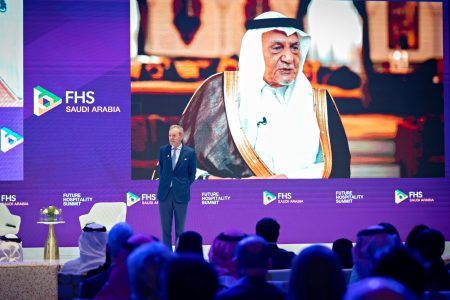



Hospitality in Saudi Arabia is entering a transformative phase, reshaping how hotels, resorts, and tourism destinations operate and deliver guest experiences. Driven by Vision 2030, growing international interest, and changing traveller expectations, the Kingdom’s hospitality sector is embracing innovation, cultural authenticity, sustainability, and personalised service.
Over recent years, Saudi Arabia has strengthened its position as an emerging global tourism destination. Visitors now travel to the Kingdom for business, leisure, cultural exploration, luxury escapes, and major entertainment events. This changing demand is creating new opportunities for hotel operators, developers, restaurant groups, and hospitality professionals.
From smart hotel technology and wellness experiences to sustainable resorts and locally inspired dining, hospitality trends in Saudi Arabia reflect a wider shift towards more diverse and experience-led travel. Understanding these developments helps businesses prepare for changing guest expectations and allows travellers to see how the Kingdom is redefining its tourism offering.
The Vision 2030 Effect on Hospitality Trends in Saudi Arabia
Vision 2030 is one of the most influential forces shaping hospitality in Saudi Arabia. The national transformation strategy prioritises tourism as part of economic diversification, encouraging investment in destinations, infrastructure, accommodation, and visitor experiences.
According to Saudi Arabia’s National Tourism Strategy, the Kingdom’s targets include attracting 150 million domestic and international tourists annually by 2030, increasing tourism’s contribution to gross domestic product to 10%, and creating 1.6 million tourism jobs.
These ambitions have significant implications for hospitality businesses. As destinations develop and visitor demand expands, hotels must consider more than room capacity. Service quality, operational efficiency, dining, entertainment, and the overall visitor experience are becoming increasingly important.
International hotel groups, lifestyle brands, and independent operators also have opportunities to serve different traveller segments. Luxury resorts, urban business hotels, boutique properties, and family-oriented accommodation can all contribute to a more diverse hospitality market.
The challenge is to balance rapid development with consistent service standards, responsible growth, and experiences that reflect Saudi Arabia’s identity.
Digital Transformation as a Core Hospitality Trend
Technology is changing how hospitality businesses manage reservations, communicate with guests, and deliver services. Digital transformation can improve convenience for visitors while helping hotel teams manage their operations more efficiently.
Hotels may use online check-in, mobile access, digital concierge tools, smart room controls, and cloud-based property management systems. These solutions can reduce friction at different stages of the guest journey, from booking to departure.
Saudi Arabia’s tourism developments are also investing in digital infrastructure. In September 2025, the Saudi Press Agency reported a partnership between Red Sea Global and stc Group to expand digital infrastructure and services across tourism destinations, including plans involving AI-driven services, cloud operations, analytics, and personalised guest experiences. Read the announcement.
For hospitality operators, the opportunity lies in using technology to solve practical problems rather than adopting tools simply because they are new. Automated guest requests, better inventory management, and faster communication can improve the experience when implemented effectively.
However, digital services should complement human interaction. Many guests still value personal assistance, particularly when handling special requests, resolving problems, or navigating an unfamiliar destination.
Personalisation and Experience-Led Hospitality
Modern travellers increasingly look for experiences that feel relevant to their interests rather than standard accommodation alone. Personalisation has therefore become an important consideration for hospitality businesses in Saudi Arabia.
Hotels can tailor experiences through room preferences, curated itineraries, dining recommendations, wellness packages, and activities connected to local culture. The most effective personalisation makes a stay more convenient and meaningful without making guests feel that their privacy is being compromised.
For example, visitors exploring AlUla may be interested in heritage, archaeology, desert landscapes, and cultural experiences. Guests visiting Riyadh for business may prefer efficient transport, flexible dining, comfortable workspaces, and convenient access to meetings.
Coastal resorts can focus on marine activities, relaxation, and nature-based experiences. By understanding these different motivations, hospitality businesses can create offerings that match the purpose of each visit.
Personalisation also requires well-trained staff and clear communication between departments. Technology can help teams remember preferences, but service quality ultimately depends on how effectively those preferences are translated into a comfortable guest experience.
Sustainability as a Defining Hospitality Trend
Sustainability is becoming increasingly important in hospitality development, particularly as Saudi Arabia expands tourism infrastructure across coastal, desert, and heritage destinations.
Hotels consume resources through energy use, water consumption, food preparation, laundry, transport, and waste management. Improving these operations can reduce environmental pressure while supporting more efficient business practices.
Practical measures include energy-efficient lighting and cooling systems, water-saving fixtures, responsible food sourcing, waste reduction, and better management of single-use materials. The effectiveness of these initiatives depends on how consistently they are implemented and measured.
Saudi Arabia’s coastal tourism development provides an example of how sustainability is being incorporated into destination planning. The Saudi Red Sea Authority identifies environmental protection, coastal tourism regulation, infrastructure development, and human-capital development among its areas of responsibility.
Red Sea Global has also published its 2024 sustainability report, covering environmental initiatives, community engagement, and its regenerative tourism approach.
The next step for hospitality businesses is to move beyond general sustainability messaging and demonstrate measurable progress. Transparent reporting, responsible purchasing, ecosystem protection, and community partnerships can help establish credibility with guests and industry stakeholders.
Wellness and Lifestyle Hospitality on the Rise
Wellness is expanding the role hospitality plays in a traveller’s overall experience. Rather than focusing only on accommodation and recreation, hotels increasingly have opportunities to support relaxation, fitness, nutrition, and personal wellbeing.
Luxury resorts may offer spa treatments, fitness programmes, swimming facilities, healthy dining, and nature-based activities. Urban hotels can appeal to busy professionals through fitness centres, comfortable workspaces, balanced food options, and spaces that help guests unwind.
Wellness experiences can also connect visitors with the destination. A peaceful coastal retreat, a guided nature experience, or a carefully designed relaxation programme may offer a different kind of value from a conventional city stay.
Lifestyle hospitality combines several needs within one property or destination. Guests may want to work, exercise, dine, socialise, and relax without arranging each experience separately. This creates opportunities for hotel operators to develop packages that appeal to leisure travellers, business visitors, couples, and families.
However, wellness offerings should match the property’s audience and capabilities. Clear information about facilities, accessibility, opening hours, and included services helps guests make realistic decisions before booking.
Cultural Integration and Local Storytelling
Cultural authenticity is another important element shaping hospitality in Saudi Arabia. As the Kingdom welcomes more international visitors, hotels have opportunities to introduce guests to local traditions, cuisine, architecture, craftsmanship, and community experiences.
This does not mean every property needs to follow the same design approach. Instead, cultural integration can be reflected through regionally inspired materials, local artwork, traditional hospitality practices, menus featuring Saudi dishes, and partnerships with local creators.
Food can be particularly effective in introducing visitors to a destination. Regional ingredients and traditional recipes can help guests understand the country’s culinary identity while creating opportunities for local suppliers and producers.
Hotels can also collaborate with guides, artisans, cultural organisations, and community businesses to offer experiences beyond the property. These partnerships can provide visitors with a richer understanding of the destination when developed respectfully and with appropriate local participation.
Authenticity should be more than a decorative theme. Meaningful cultural integration requires accurate storytelling, respect for local customs, and genuine engagement with the communities whose heritage is being presented.
Luxury Hospitality Redefined
Luxury hospitality in Saudi Arabia is evolving alongside changing expectations among international and regional travellers. While premium accommodation, elegant interiors, and exclusive facilities remain important, luxury increasingly includes privacy, personal attention, distinctive experiences, and seamless service.
Some travellers prioritise spacious suites, private villas, and bespoke dining. Others may value wellness, architectural design, access to nature, or experiences that are difficult to replicate elsewhere.
Saudi Arabia’s emerging destination developments offer opportunities to combine these elements with local culture and natural landscapes. Red Sea Global’s portfolio, for example, includes coastal tourism and regenerative development initiatives. Its official website outlines its focus on tourism experiences and environmental and social value.
For hotel operators, the challenge is to deliver luxury consistently across every guest interaction. A beautiful room cannot compensate for confusing communication, poor service, or an experience that does not match the booking description.
The strongest luxury offerings combine distinctive design with reliable operations, thoughtful personalisation, and a clear understanding of what guests value most.
Business and Bleisure Travel Trends
Business travel continues to create opportunities for hotels in Saudi Arabia as the Kingdom develops its role as a destination for conferences, exhibitions, corporate meetings, and industry events.
Business travellers often require reliable connectivity, suitable meeting facilities, flexible dining, convenient transport, and efficient check-in and check-out. Hotels that deliver these basics consistently can build stronger relationships with corporate clients and event organisers.
At the same time, the distinction between business and leisure travel is becoming less rigid for some travellers. Bleisure travel combines professional commitments with leisure activities, such as exploring local restaurants, visiting attractions, or extending a business trip for personal time.
Hospitality operators can respond with flexible accommodation options, local experience recommendations, leisure packages, and services that make it easier to balance work and relaxation.
Location remains critical. A hotel that reduces travel time to a conference venue may be more valuable to a business visitor than a property with additional leisure facilities located far away.
Food and Beverage Innovation in Hospitality
Food and beverage has become an important part of the overall hospitality experience. Hotel restaurants, cafés, lounges, and event catering can attract local residents as well as overnight guests, helping properties develop a broader customer base.
In Saudi Arabia, hospitality businesses can combine international culinary influences with local ingredients, regional recipes, and traditional dining experiences. This approach can appeal to international visitors seeking new flavours and local guests looking for distinctive food experiences.
Restaurants also provide opportunities for differentiation. Seasonal menus, carefully developed signature dishes, collaborations with chefs, and thoughtfully designed dining spaces can help establish a hotel’s identity.
Operational quality remains essential. Menu consistency, food safety, service, ingredient sourcing, and value for money influence whether guests return or recommend a restaurant.
Hotels should also consider different dietary preferences and clearly communicate menu information. When food and beverage operations are managed well, they can strengthen the guest experience while creating additional revenue opportunities.
Talent Development and Workforce Transformation
People remain central to hospitality, even as technology and automation become more common. Guest satisfaction depends heavily on communication, service standards, problem-solving, cultural awareness, and the ability to respond to individual needs.
As Saudi Arabia’s tourism sector expands, developing a skilled workforce is essential. Training, professional education, leadership development, and career progression can help hospitality businesses maintain service quality as demand grows.
The Saudi Press Agency reported in July 2026 that the Ministry of Tourism had signed memoranda of understanding with global hotel brands to launch a Hospitality Ambassadors programme. The initiative focuses on developing Saudi talent through practical training with international hotel operators. Read the announcement.
For employers, investment in staff development can support stronger guest relationships, more consistent service, and better long-term retention. Employees who understand their responsibilities and have opportunities to grow are better positioned to contribute to business performance.
Training should cover more than technical procedures. Communication, conflict resolution, accessibility awareness, cultural sensitivity, and the effective use of digital tools are all relevant to modern hospitality roles.
The Role of Mega Tourism Projects
Large tourism developments are influencing the future direction of hospitality in Saudi Arabia. Projects and destinations associated with the Red Sea, AMAALA, Diriyah, NEOM, and Qiddiya reflect different approaches to leisure, culture, entertainment, and destination development.
These developments create opportunities for accommodation, dining, transport, recreation, and visitor services. They can also encourage operators to explore new approaches to architecture, technology, sustainability, and guest experiences.
The Red Sea and AMAALA are particularly relevant to the discussion of coastal and nature-based tourism. Red Sea Global describes its approach through sustainable luxury, environmental regeneration, and community engagement. Its sustainability reporting provides further information on these priorities.
However, the long-term success of major projects depends on more than impressive designs or ambitious announcements. Transport links, workforce availability, operational readiness, environmental management, and consistent service quality all influence how well destinations perform.
As these developments progress, hospitality businesses will need to align their offerings with the needs of their target visitors while maintaining realistic expectations about demand and operating costs.
Future Outlook: What Lies Ahead for Hospitality in Saudi Arabia?
Hospitality in Saudi Arabia is likely to continue evolving as tourism investment, technology, and visitor expectations change. Several developments will be particularly important for businesses preparing for the next stage of growth.
Artificial intelligence and data analytics may help hotels improve demand forecasting, respond to guest requests, and tailor recommendations. These tools will need to be supported by responsible data practices, cybersecurity, and human oversight.
Sustainability is also likely to become a more important operational consideration, particularly for destinations where water, energy, biodiversity, and waste management require careful planning. Businesses that measure their performance and demonstrate credible progress will be better positioned to communicate their efforts.
At the same time, local culture, dining, wellness, and experiential travel can help hotels differentiate their offerings. The ability to combine global service standards with authentic destination experiences will remain important.
Workforce development will underpin these changes. New systems and facilities can only deliver their intended value when employees have the skills, support, and resources required to use them effectively.
Ultimately, the future of hospitality in Saudi Arabia will depend on how successfully the industry balances expansion with service quality, environmental responsibility, cultural respect, and sustainable business performance.
Conclusion
Hospitality trends in Saudi Arabia reflect a sector undergoing significant transformation. Vision 2030, digital innovation, sustainability, wellness, cultural integration, and workforce development are changing how hotels and tourism destinations approach the guest experience.
From technology-enabled services to distinctive luxury stays and locally inspired dining, the Kingdom’s hospitality market is creating new opportunities for operators and visitors alike. Major tourism developments are adding variety to the destination landscape, while investment in people and operations remains essential to long-term success.
For hospitality businesses, the priority is to translate these developments into meaningful improvements rather than adopting trends without a clear purpose. For travellers, these changes offer more ways to explore Saudi Arabia through its hotels, restaurants, culture, and emerging destinations.
As the market continues to mature, hospitality will remain an important part of Saudi Arabia’s tourism ambitions and its evolving position on the global travel map.
EAT N STAYS | TRAVEL DISCOVERED DIFFERENTLY.