



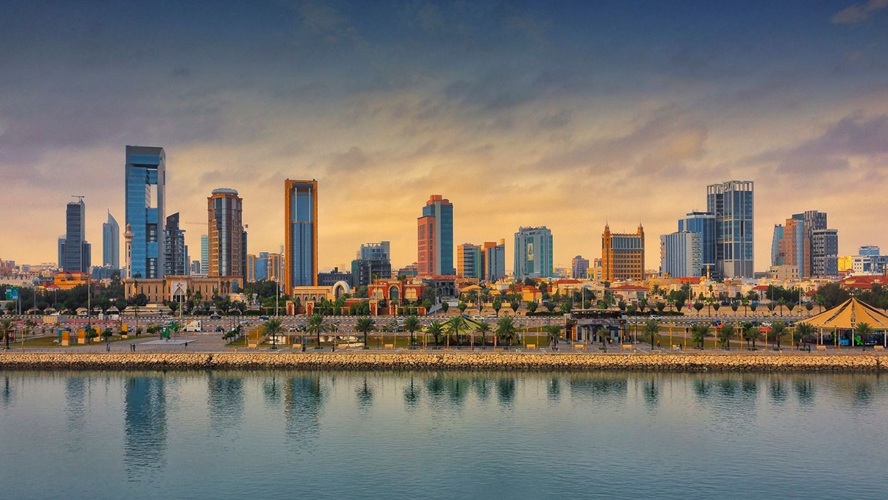
Eid al-Fitr has a way of changing travel patterns across Saudi Arabia—from quick city breaks to longer stays shaped by comfort, scenery and memorable experiences. This year, coastal regions stood out again, with travellers seeking Eid Red Sea experiences alongside family-friendly marine adventures in Jeddah and calmer seaside downtime in the Eastern Province. For the hospitality, travel and F&B sectors, the shift matters: it signals demand for itineraries that go beyond a beach visit—turning dining, leisure and service into part of a broader “experience ecosystem”.
Rather than relying on a single attraction, Eid travel increasingly clusters around integrated plans: accommodation paired with water sports, guided excursions, and easy leisure between activities. That trend is especially visible across Saudi Arabia’s west and east coastlines.
Jeddah During Eid: Water Sports and Underwater Thrills
Jeddah’s Eid energy is built around choice. Families and individuals tend to balance relaxation with high-energy outings, and the city’s coastline makes that easier. During the holiday period, visitors were drawn to resort packages that bundle staying and enjoying—helping travellers manage time and spend with less friction.
For those looking for adrenaline, Jeddah’s marine activity providers are positioned for rapid discovery. Popular options include:
- Jet ski experiences for speed and quick thrills on open water
- Flyboarding, which lifts riders above the surface for a dramatic perspective
- Sightscape-style activity bundles, designed to mix popular attractions such as parasailing with other family-friendly picks
For travellers seeking something more distinctive underwater, operators also highlight shark diving. While such experiences are often considered niche, Eid demand suggests a broader appetite for “once-in-a-lifetime” adventures—especially when they’re supervised by experts and offered with the necessary safety equipment.
Why Jeddah’s Eid model works for hospitality
Jeddah’s strength during Eid comes from its mix-and-match planning. Resorts, tour operators and activity providers can support different guest profiles without requiring travellers to overhaul their schedule. For hotels and F&B outlets, that typically translates into steadier demand across the day—meals that fit around activity windows rather than simply serving holiday footfall.
The Red Sea Reclaims the Spotlight for Marine-Led Luxury
If Jeddah represents coastal variety, the Eid Red Sea story is about depth—nature-led tourism with premium guest expectations. Travellers continued to gravitate toward the Red Sea’s islands and nature reserves, where the emphasis is on marine encounters and curated experiences.
The standout theme across Eid coverage and guest impressions was clarity of concept: access to water activities that feel both immersive and comfortable. From kayaking routes to reef exploration, the Eid Red Sea experience is increasingly framed as a full-day proposition rather than a short outing.
Kayaking through mangroves: calmer adventure for families
In the Red Sea region, kayaking options have gained particular attention. Visitors can join traditional or glass-style kayaking tours through mangrove environments—settings that often feel quieter than open-water excursions. For families, this matters because it offers “nature contact” without the intensity some younger travellers avoid and without the advanced commitment required for certain underwater activities.
Reef exploration: why the Red Sea is different
The Red Sea’s marine reputation is reinforced by its reef ecosystems, widely known for hosting extensive coral habitats. These conditions support a rich underwater world—often described in industry terms as a combination of biodiversity, accessibility of dive sites, and the visual payoff that snorkellers and divers look for.
For travellers, this creates an itinerary that naturally supports both exploration and rest: dive sessions or guided marine sports can be followed by quieter moments back at the property.
Shura Island: A New Name in Eid Conversations
Within the broader Eid Red Sea landscape, Shura Island drew attention as a destination where nature access and hospitality standards are positioned together. The island’s appeal is not only in its surroundings, but in how the accommodation style supports privacy and downtime—qualities that resonate strongly during Eid travel, when families often want both bonding time and personal space.
Shura Island is also associated with a mix of luxury resort offerings, reflecting different interpretations of contemporary coastal living. This matters for the market because the Eid period tests the strength of a brand promise: guests expect seamless service when schedules are packed, and they look for environments that feel cohesive—good for both activity planning and evening relaxation.
Industry impact: why this affects travel bookings
When a destination like Shura Island strengthens its position during Eid, it also influences booking behavior for subsequent months. Travellers often return home with a clearer preference: “nature-led luxury” as a category. That preference can shift demand toward properties that can package marine experiences reliably—through on-site coordination, partner operators and clear activity scheduling.
Eastern Province: Seaside Calm and City Comfort Side by Side
While the Red Sea anchors marine-led luxury, the Eastern Province offers a different but equally compelling Eid rhythm—seaside relaxation paired with city convenience. For travellers who want fewer “hard activity” moments, this region provides more flexible pacing.
In Eid season, visitors often gravitate toward places that allow low-pressure enjoyment: evening walks, relaxed beach time, casual outings to local markets, and a slower atmosphere away from the most intense holiday crowds.
What families commonly do in Khobar, Dammam and nearby areas
Popular ideas include:
- Strolls along Khobar Corniche, a straightforward way to experience the coastline without complicated planning
- Evening beach walks at Half Moon Beach, a casual option for families
- Local dining and market time in Dammam, which supports a more “city-with-a-view” itinerary
- Cultural day trips, including visits to major attractions in Dhahran such as Ithra
This mix gives travellers something the coast often can’t always provide elsewhere: a holiday that feels restful while still offering variety for different ages.
Why it matters for F&B
For restaurants and cafés, the Eastern Province pattern supports steady demand around predictable routines—late afternoons, dinner service after beach time, and family gatherings that don’t require a reservation at a single “must-do” location. In other words, the region’s hospitality model supports both tourism flow and repeat-style consumption during the holiday week.
What the Eid Coastal Trend Signals for Hospitality and Travel
Saudi’s coastal Eid travel shows a broader industry direction: guests want destinations that feel coherent across the day. That expectation affects how properties design guest journeys, how tour operators structure offerings, and how F&B teams schedule service.
Across Eid Red Sea experiences and coastal hubs like Jeddah and the Eastern Province, the common thread is integration. Travellers are increasingly attracted to venues that support:
- Experience-led itineraries (marine and nature activities that are easy to access)
- Comfort-first logistics (families don’t want travel planning to become the main event)
- A blend of energy and calm (adventure by day, unwind by night)
- Premium service where it counts (clear safety standards, guided support, and smooth scheduling)
Looking Ahead: From Eid Moment to Year-Round Demand
Eid can create visibility, but the best destinations convert that attention into longer-term demand. The ongoing strength of the Eid Red Sea narrative suggests travellers are learning to associate the Red Sea region with marine-led luxury—not only scenery, but structured experiences that match how people actually holiday.
If operators continue improving partnerships between resorts, activity providers and onboard experiences—while maintaining high service standards—Saudi’s coastal destinations are likely to see more year-round interest following the Eid window.
Conclusion
This Eid al-Fitr, Saudi Arabia’s coastlines—especially the Eid Red Sea region—reaffirmed their appeal to families and leisure travellers looking for nature, luxury and variety. Jeddah leaned into water sports and underwater adventures, while the Eastern Province offered a calmer pace with seaside strolls and cultural options. Together, the pattern points to a clear industry takeaway: destinations that deliver integrated, experience-led holidays are increasingly shaping how travellers plan their next trip.
Featured image alt text: Families enjoying a coastal resort view at sunset, with the Red Sea’s calm waters and marine adventure vibe in the background.