


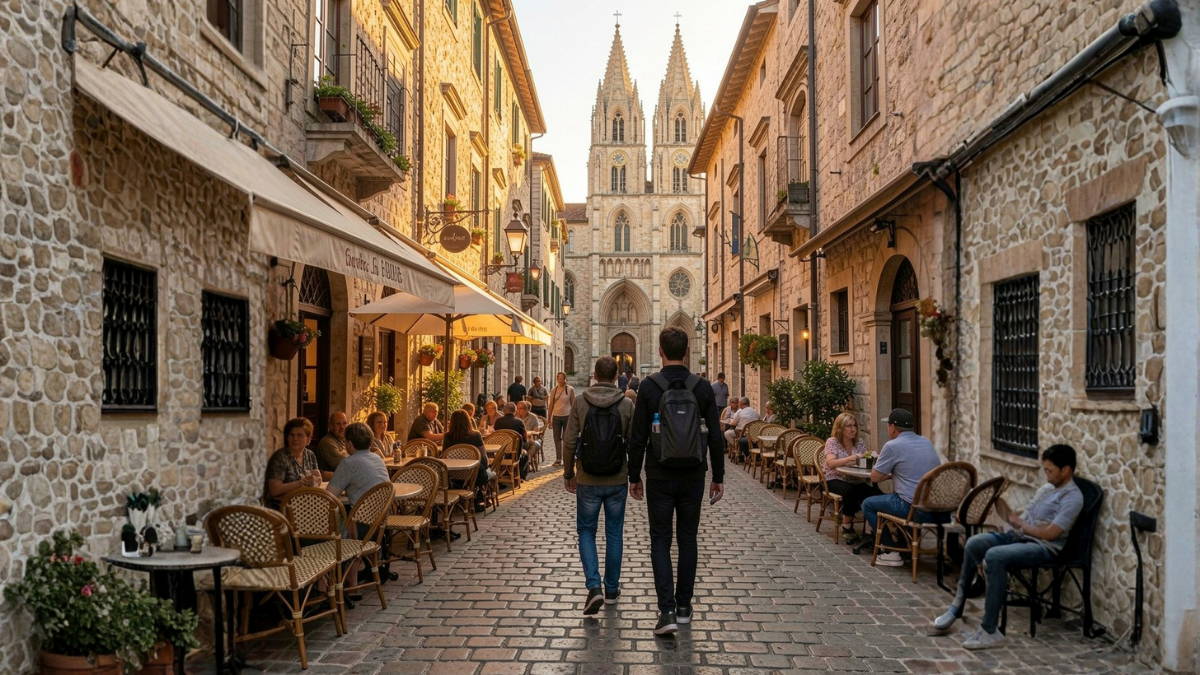
The best solo travel destinations in Europe 2026 offer independent travellers a combination of safety, affordability, convenient transport, reliable internet access and opportunities to meet people along the way. According to the 2026 Solo Travel Index by Quotezone.co.uk, Madrid ranks first among the European destinations assessed, followed by Prague, Lisbon, Paris and Reykjavik.
Solo travel is becoming an increasingly popular way to experience new cultures, discover unfamiliar cities and enjoy greater flexibility while travelling. Instead of coordinating schedules with friends or family, solo travellers can plan their days around personal interests, whether that means exploring museums, joining walking tours, discovering local cafés or spending time in nature.
However, choosing the right destination is particularly important when travelling alone. Factors such as accommodation options, public transport, personal safety and access to information can influence the overall experience.
This guide explores the five highest-ranked destinations highlighted in the reported index, explains the factors behind their rankings and shares practical tips for planning a comfortable and rewarding solo trip across Europe in 2026.
Why Is Solo Travel Becoming More Popular?
Solo travel has developed into a significant travel trend, attracting people who want greater independence and flexibility when planning their holidays.
The figures cited in the supplied research highlight this growing interest. According to the information provided, 69% of travellers planned a solo trip in the previous year, while Google searches for the term “solo travel” increased by 223% over the past decade.
These figures suggest a growing interest in independent travel, although individual travel preferences and booking decisions can vary across markets and age groups.
There are several reasons why travellers choose to explore destinations alone.
Freedom and flexibility: Solo travellers can build their own itineraries, spend longer at places they enjoy and change plans without coordinating with a group.
Personal discovery: Travelling independently can encourage people to become more confident navigating unfamiliar environments and making decisions.
Cultural immersion: Visiting local markets, museums, neighbourhoods and cafés independently can create opportunities to observe everyday life and engage with local communities.
Meeting new people: Hostels, walking tours, group excursions and social activities can help solo travellers connect with others while retaining their independence.
Flexible budgeting: Travellers can decide how much to spend on accommodation, dining, transport and experiences according to their own priorities.
Despite these advantages, travelling alone requires preparation. Accommodation location, transport availability, emergency access and destination-specific safety considerations should all influence the choice of where to go.
How Were Europe’s Best Solo Travel Destinations Ranked?
The 2026 Solo Travel Index by Quotezone.co.uk assessed popular European destinations using several factors intended to help independent travellers compare their options.
According to the supplied information, the research considered:
- Safety scores: Personal safety received greater weighting in the ranking.
- Public transport costs: Affordable transport can make independent sightseeing easier.
- Hostel availability: Hostels can provide budget accommodation and opportunities to meet other travellers.
- Tours and experiences: Guided activities offer structured ways to explore a destination and connect with people.
- Internet speed: Reliable connectivity helps travellers use maps, translation services, booking platforms and travel applications.
Together, these factors provide a framework for assessing how practical a destination may be for someone travelling alone.
However, a ranking is not a guarantee of personal safety or an indication that every traveller will have the same experience. Costs vary by season, accommodation type and travel style. Safety can also differ between neighbourhoods and situations.
The index should therefore be used as a starting point rather than the sole basis for deciding where to travel.
1. Madrid, Spain: Europe’s Leading Solo Travel Destination
Madrid claimed the top position in the reported 2026 Solo Travel Index, supported by its combination of accommodation choices, transport accessibility, internet connectivity and opportunities for social experiences.
Spain’s capital is a compelling option for independent travellers who want to combine cultural sightseeing with a lively urban atmosphere. The city offers museums, historic squares, parks, restaurants, markets and neighbourhoods that can be explored at different paces.
Art lovers can plan visits to major museums, while visitors interested in everyday local culture can spend time in traditional cafés, food markets and public spaces. Madrid’s dining scene also offers opportunities to sample Spanish dishes, from tapas to regional specialities.
The city’s reported hostel availability is another advantage for solo travellers. Shared accommodation can make it easier to meet fellow visitors, join group activities and exchange recommendations. Private rooms and hotels are also available for travellers who prefer more privacy.
Public transport helps visitors move between attractions without relying entirely on taxis. Before arrival, travellers can research suitable ticket options and choose accommodation near convenient transport connections.
Madrid is also known for its nightlife and social atmosphere. Those travelling alone should choose venues that suit their comfort level, keep an eye on personal belongings and plan how to return to their accommodation safely.
Best for: First-time solo travellers, culture enthusiasts, social experiences and independent city exploration.
Planning tip: Build an itinerary around a few neighbourhoods each day rather than trying to visit every attraction at once.
2. Prague, Czech Republic: A Historic City for Budget-Conscious Travellers
Prague ranked second in the reported index, with its safety score and accessible travel experience contributing to its strong position.
The Czech capital is known for its historic architecture, cobbled streets, riverside views and distinctive city centre. Its compact central areas make walking an appealing way to explore many attractions, while public transport provides additional connections across the city.
Visitors can discover historic squares, bridges, churches, museums and cafés, with plenty of opportunities to pause and enjoy the atmosphere. The city’s architectural character also makes it a popular destination for photography.
For solo travellers, Prague offers a balance between sightseeing and social activities. Walking tours can provide historical context, while hostel common areas and organised excursions can help visitors meet people without needing to plan every activity independently.
Budget-conscious travellers should still compare accommodation and food prices before booking. Costs can change significantly according to the season, major events and location. Staying slightly outside the busiest tourist areas may provide additional options, provided transport connections remain convenient.
Although the destination performed well in the index’s safety assessment, travellers should still take ordinary precautions. Crowded attractions and transport hubs can present opportunities for pickpocketing, so valuables should be kept secure.
Best for: Budget-conscious visitors, architecture enthusiasts, history lovers and travellers who enjoy walking.
Planning tip: Explore the historic centre on foot, then use public transport for attractions that are farther away.
3. Lisbon, Portugal: Scenic Streets and Social Experiences
Lisbon secured third place in the reported ranking, supported by its selection of tours, hostel accommodation and opportunities for independent exploration.
Portugal’s capital is recognised for its colourful buildings, historic neighbourhoods, viewpoints and distinctive tram routes. Its combination of urban scenery, food culture and access to nearby coastal destinations makes it appealing to travellers with different interests.
Solo visitors can spend their days exploring historic streets, visiting museums, enjoying Portuguese food and discovering cafés. The city’s viewpoints provide opportunities to appreciate the surrounding architecture and landscape, although some locations require walking uphill.
The number of tours highlighted in the index is particularly relevant for travellers who want to combine independent sightseeing with organised activities. Guided walking tours, food experiences and day trips can make it easier to learn about local culture while meeting other visitors.
Hostels provide another way to connect with fellow travellers. Those who prefer quieter accommodation can choose a private room or hotel and join organised activities when they want a more social experience.
Lisbon’s hilly terrain means comfortable walking shoes are useful. Travellers should also research transport connections before booking accommodation, particularly if they plan to return late after an evening out.
Best for: Scenic exploration, food experiences, walking tours and meeting fellow travellers.
Planning tip: Allow time for neighbourhood exploration instead of relying entirely on a checklist of major landmarks.
4. Paris, France: Culture, Museums and Independent Discovery
Paris ranked fourth in the 2026 index, offering an extensive selection of cultural attractions, accommodation and guided experiences for solo visitors.
The French capital is known for its museums, galleries, historic streets, cafés, gardens and architectural landmarks. Travelling alone can make it easier to spend time according to personal interests, whether that means exploring an art collection, visiting a neighbourhood market or enjoying a long café break.
Visitors can organise their itineraries around different parts of the city. Museum enthusiasts may want to dedicate several hours to a single collection, while others may prefer walking along the Seine, exploring historic districts or discovering smaller galleries.
Paris also offers numerous guided tours and social activities. These can provide useful context for first-time visitors and opportunities to meet people with similar interests.
The supplied ranking notes that Paris scored lower on safety than some of the other leading destinations. Travellers should interpret this in the context of the index’s methodology rather than treating it as a prediction of an individual experience.
As in other major cities, it is sensible to research neighbourhoods, secure valuables, remain aware of surroundings and plan transport after evening activities. Accommodation close to suitable public transport can make getting around easier.
Best for: Art and culture enthusiasts, museum visits, architecture and independent sightseeing.
Planning tip: Book popular attractions in advance when required, and leave room for spontaneous discoveries between scheduled visits.
5. Reykjavik, Iceland: A Base for Nature and Adventure
Reykjavik completed the top five in the reported ranking and was identified as the safest destination in the index.
Iceland’s capital is an appealing starting point for travellers interested in dramatic landscapes, outdoor experiences and a different pace of city life. Reykjavik combines urban attractions, restaurants, cultural venues and access to excursions into the surrounding countryside.
Travellers can explore the city’s museums, waterfront areas, cafés and architectural landmarks before joining organised trips beyond the capital.
Iceland is known for its volcanoes, waterfalls, geothermal landscapes and lagoons. Depending on the season and itinerary, visitors may be able to arrange excursions that showcase these natural features. The Northern Lights may also be visible during suitable conditions in the darker months, although sightings are never guaranteed.
The index notes that transport costs can be higher than in some other destinations. This is an important consideration for solo travellers, who may need to cover accommodation, transport and excursion expenses without sharing them with a companion.
Organised day tours can simplify access to remote attractions, especially for visitors who do not want to drive in unfamiliar conditions. However, weather and road conditions can change quickly, so tour schedules and local guidance should be checked.
Best for: Nature lovers, organised excursions, outdoor photography and travellers seeking dramatic landscapes.
Planning tip: Compare the total cost of accommodation and excursions before booking, and allow flexibility for weather-related changes.
Which Destination Is Best for Your Solo Travel Style?
The highest-ranked destination is not necessarily the right choice for every traveller. The best option depends on your interests, budget, preferred activities and comfort level.
Madrid may appeal to travellers who want a combination of cultural attractions, social opportunities and city life. Prague is worth considering for historic architecture and a walking-friendly experience. Lisbon offers scenic neighbourhoods and organised activities, while Paris provides extensive cultural attractions. Reykjavik is a natural choice for visitors who prioritise outdoor adventures and access to Iceland’s landscapes.
Before making a decision, consider the following:
Budget: Compare accommodation, meals, transport and activity costs rather than focusing on one expense alone.
Travel style: Decide whether you prefer museums, nightlife, nature, food experiences or a combination of activities.
Social opportunities: If meeting people is important, look for hostels, group tours, cooking classes and organised excursions.
Length of stay: Some destinations reward a longer visit, while others can be explored through a shorter city break.
Season: Weather, daylight hours, crowds and event schedules can influence the overall experience.
Accessibility: Check transport links, walking distances and the suitability of activities for your needs.
Using these criteria can help you select a destination that feels manageable, enjoyable and aligned with your expectations.
Essential Safety Tips for Solo Travellers in Europe
Preparation is an important part of travelling independently. Even in destinations that receive strong safety ratings, taking sensible precautions can help reduce avoidable problems.
Choose accommodation carefully. Research neighbourhoods, recent guest reviews and transport connections. A convenient location can make returning after sightseeing easier.
Keep important documents secure. Carry only what you need for the day and keep backups of essential travel documents in a secure location.
Plan transport in advance. Check how to reach your accommodation from the airport or station, particularly if arriving late at night.
Maintain internet access. A local SIM, eSIM or suitable roaming plan can help with maps, translation tools, reservations and emergency information.
Share your itinerary. Consider providing a trusted person with your accommodation details and general travel plans.
Use reputable tours and services. Check operators’ details and reviews before booking excursions or activities.
Stay aware in crowded places. Markets, public transport and busy tourist areas require the same attention to personal belongings that travellers should exercise in other major cities.
Purchase suitable travel insurance. Review coverage for medical expenses, cancellations, lost belongings and planned activities.
Trust your judgement. If a situation or activity makes you uncomfortable, leave and seek assistance when necessary.
These steps help support a more confident travel experience without suggesting that every destination or situation carries the same level of risk.
How to Make the Most of a Solo Trip
A rewarding solo holiday does not require a tightly packed schedule. Leaving time for unexpected discoveries can be one of the main advantages of travelling independently.
Start by choosing a few activities that matter most to you, such as a museum visit, a walking tour or a day trip. Book experiences that require advance reservations, then leave the remaining time flexible.
Consider joining group activities early in the trip. A walking tour or food experience can help you become familiar with the destination and meet people who may share recommendations for the rest of your stay.
Accommodation can also shape the experience. Hostels may suit travellers who want social interaction, while hotels and private rentals may provide more privacy. Neither option is automatically better; the choice depends on personal preferences and budget.
Finally, keep track of spending and allow a contingency for unexpected costs. Travelling alone offers control over decisions, but it also means managing changes independently.
Frequently Asked Questions
What are the best solo travel destinations in Europe for 2026?
According to the reported Quotezone.co.uk Solo Travel Index, Madrid ranked first, followed by Prague, Lisbon, Paris and Reykjavik. Each destination offers a different combination of safety, transport, accommodation and activities.
Why did Madrid rank first?
The supplied research highlights Madrid’s hostel availability, public transport costs and internet connectivity, alongside its safety assessment. These factors contribute to its appeal for independent travellers.
Which destination is best for budget-conscious solo travellers?
Prague may be worth considering because of its reported affordability and accessible city centre. However, actual costs depend on travel dates, accommodation choices and personal spending habits.
Is Reykjavik suitable for solo travellers?
Reykjavik can be a useful base for exploring Iceland, particularly for visitors interested in nature and organised excursions. Travellers should budget carefully because transport and activities can be expensive.
How can solo travellers meet people during a trip?
Hostels, guided tours, food experiences, group excursions and travel activities provide opportunities to meet other visitors while maintaining an independent itinerary.
What should first-time solo travellers prioritise?
First-time solo travellers should focus on suitable accommodation, convenient transport, destination research, internet access, travel insurance and a realistic itinerary.
Final Thoughts
The best solo travel destinations in Europe for 2026 offer different ways to experience independent travel. Madrid leads the reported ranking, while Prague, Lisbon, Paris and Reykjavik provide alternatives for travellers interested in history, affordability, culture, social activities or nature.
The Quotezone.co.uk index offers a useful starting point for comparing destinations, but travellers should also consider their own preferences, seasonal conditions and overall budgets before making reservations.
Whether you are planning your first solo holiday or looking for a new European city to explore, preparation can make independent travel more comfortable and rewarding. Choose a destination that suits your interests, keep your itinerary flexible and take practical steps to protect your belongings and wellbeing.
Follow Eat’N Stays for more travel news, destination inspiration and tourism insights from Europe and beyond.