



Credit CNN
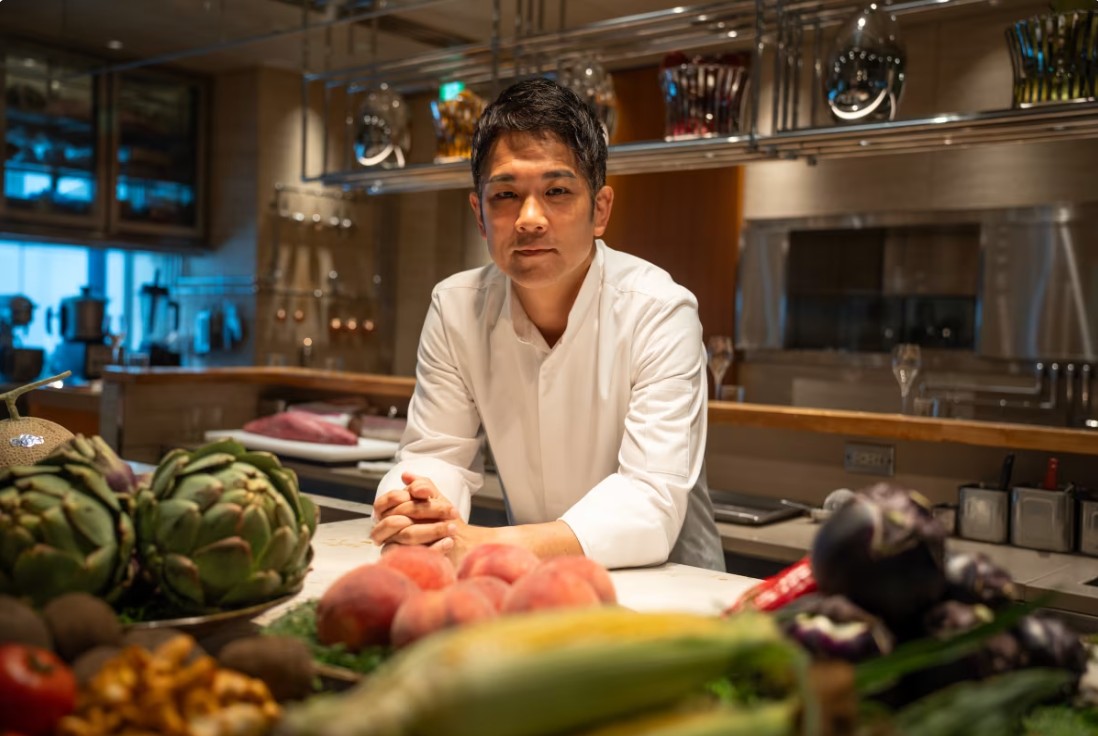
CNN’s new multiplatform series, Seasons, delves into the shifting trends that are shaping global culture across fashion, travel, food, technology, design, and art. Michelin star chef Yosuke Suga is the man behind one of Tokyo’s luxury, invite-only restaurants.
Suga trained under the world’s most Michelin-starred chef, Joel Robuchon, but when it came time for him to launch his own restaurant, Sugalabo, in 2015, he turned his back on the critics.
“I’ve seen a lot of the behind-the-scenes workings of Michelin,” Suga said. “Because of that, both in a good and a bad way, I gradually lost interest. More than that, I developed a strong desire not to be evaluated by others; to not work in a way that seeks validation from a guidebook.” He adds, “We serve for the customers, but don’t make dishes for critics.”
Ten years after opening, Sugalabo is inaccessible to nearly everyone. Diners must be invited or recommended by existing patrons. There is no online booking system, no set opening times, only a private phone number known to the chosen few, who return time and again to the 20-cover bar and dining table.
The restaurant’s table policy is a watered-down take on ‘Ichigensan okotowari’, or ‘no first-time customers without introduction’, an old practice of some of Japan’s most lauded – and by their nature, secretive – establishments. These restaurants are patronised almost entirely by regulars, who may be permitted to bring a guest, but there’s no guarantee the guest will be allowed to return.
Ten years in, the guestlist may have grown, but the restaurant is no less exclusive. “It’s not that we’re trying to be snobby,” Suga insisted. Instead, it comes down to guest experience, “If we allow completely random guests, we can’t respond to each person’s expectations in the same way.”
Beyond their palate, Sugalabo also wants to know what diners will bring to the table. “We try as much as possible to understand their background – whether they’re a doctor, a lawyer, someone in finance or a journalist – because that can influence the kind of conversation I have with them,” Suga said.
The goal is to build a two-way relationship with guests, “In the restaurant business, it’s over if no one comes back to eat. If you (can) build a trustful relationship, it can be sustainable.”
While Suga’s training in France highly influences the restaurant’s cuisine, his focus is on incorporating local Japanese products. One way he embraces his country is through a hyper-seasonal menu. “Japan is so rich in ingredients that we work within what you could call ‘micro-seasons,’” he explained. “That ability to enjoy something only available for a limited time, in its best form – that’s what true luxury is.”