



JEDDAH: Building on the successful management of the previous Hajj season, the Consulate General of India in Jeddah has begun early preparations for Hajj season for the 2027 while reinforcing its commitment to improving consular services and welfare initiatives for the Indian diaspora in Saudi Arabia’s Western Region.
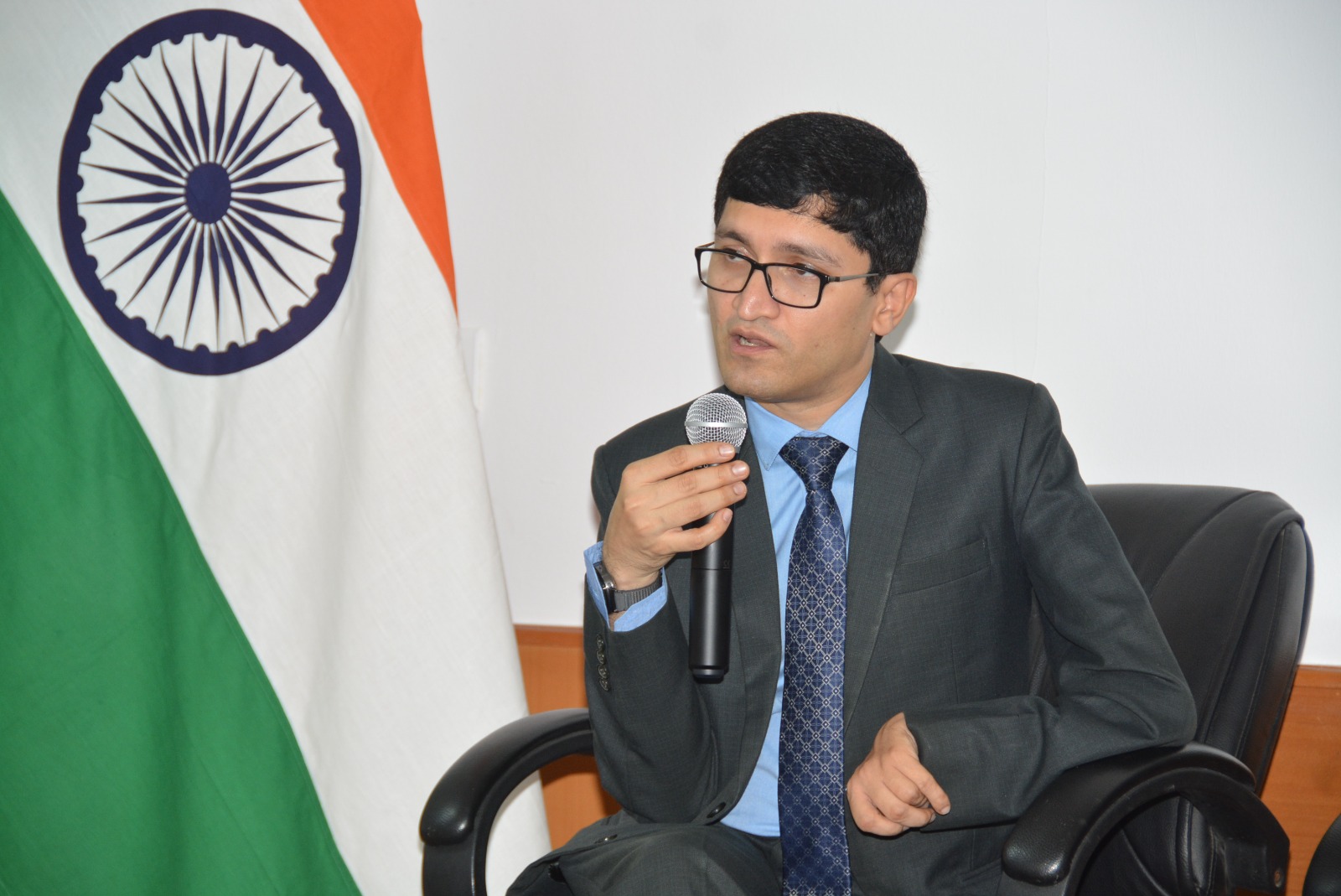
Addressing a media briefing at the Consulate, Indian Consul General Fahad Ahmed Khan Suri outlined the mission’s roadmap for the upcoming Hajj, highlighted the recent improvements in consular services, and shared key findings from India’s Sixth National Family Health Survey (NFHS-6). Imam Mehdi Hussain, Head of Chancery and Consul (Press & Information), was also present.
Early Planning for Hajj 2027
Consul General Suri said the Indian Consulate had successfully facilitated arrangements for India’s full Hajj quota of 175,000 pilgrims during the previous pilgrimage season.
Around 70 per cent of the pilgrims travelled through the Haj Committee of India, while the remaining 30 per cent performed Hajj through private tour operators.
He noted that extensive coordination with Saudi authorities ensured the smooth movement of pilgrims to the holy sites of Mina, Arafat and Muzdalifah, enabling them to perform the Hajj rituals comfortably and on schedule.
A major achievement, he said, was the introduction of a decentralized medical support system, which provided real-time healthcare assistance to pilgrims, significantly improving emergency response and helping reduce fatalities.
Several pilgrim-friendly initiatives also enhanced the overall Hajj experience, including baggage-free travel, remote city check-in facilities, and the increased use of the Haramain High-Speed Railway, with nearly 50 per cent of Indian pilgrims benefiting from the service.
Suri also highlighted the successful pilot implementation of the Nusuk Card program, under which around 10,000 Indian pilgrims received their cards before departing from India. The Consulate is working closely with Saudi authorities to expand the initiative to a larger number of pilgrims in future Hajj seasons.
In Madinah, all Indian pilgrims were accommodated in the Markaziyah area, ensuring convenient access to the Prophet’s Mosque and essential services.
Looking ahead, the Consul General said that application procedures for the next Hajj have largely been completed, with the draw of lots expected by the end of this month.
Continuous coordination with India’s Ministry of Minority Affairs and Saudi authorities is underway to further improve accommodation, transportation and catering services for pilgrims.
NFHS-6 Reflects India’s Social Progress
During the briefing, Suri also shared highlights from India’s Sixth National Family Health Survey (NFHS-6), which covered approximately 679,000 households across 715 districts nationwide.
According to the survey, India has recorded significant progress across several health, social and development indicators. Electricity coverage has reached 98.3 per cent, while access to clean drinking water now stands at 96.5 per cent. Government health insurance coverage has increased to 60.2 per cent.
Healthcare outcomes have also improved considerably. Institutional deliveries have risen to 90.6 per cent, births attended by trained health professionals have reached 91.3 per cent, and full immunisation coverage among children has increased to 87.1 per cent. Childhood stunting has declined to 29.3 per cent, reflecting continued improvements in maternal and child health.
The survey also points to notable gains in women’s empowerment. Women’s participation in household decision-making has climbed to 89 per cent, while 89 per cent of women now own bank accounts. Internet usage among women has increased to 64.3 per cent.
The survey further indicates a decline in child marriage to 20.1 per cent, while India’s fertility rate has remained within the desired replacement level.
Consular Services Continue to Expand
Highlighting the Consulate’s growing outreach to the Indian community, Suri said the mission processed more than 119,000 passport applications and provided around 38,000 attestation services during the last financial year.
He also announced the launch of a Family Census Project under the Ministry of External Affairs for Indian expatriates residing in Saudi Arabia’s Western Region. Indian families have been encouraged to register through the Consulate’s official website and social media platforms to help strengthen community outreach and improve emergency assistance.
Strengthening Community Welfare
The Consulate has introduced several citizen-centric initiatives aimed at improving service delivery, including a public grievance redressal system, a VR production room, and additional public service counters to better assist Indians during emergencies.
Suri said the Consulate will continue to organize its monthly Open House interactions and expand community welfare programs, including Jashn-e-Mehnat (Shram Utsav), which recognizes the invaluable contributions of Indian workers in Saudi Arabia.
He reaffirmed the Consulate’s continued commitment to supporting distressed Indians, prisoners and other vulnerable members of the expatriate community in close coordination with community volunteers.
Looking ahead, Suri said that following the encouraging response to events such as “India Wellness and Flavors” and “Shram Utsav,” the Consulate plans to organize more commercial, cultural and entertainment programs in partnership with the Indian community in Jeddah and further strengthening people-to-people ties and promoting India’s vibrant cultural heritage in the Kingdom.