



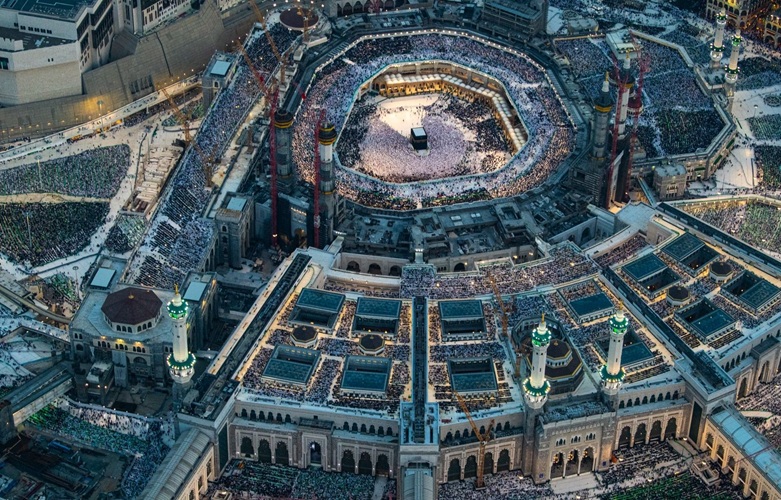
As the last ten days of Ramadan approach, many families in the Middle East face the question of whether to undertake the Umrah pilgrimage. With the costs of Ramadan gatherings and the impending expenses for Eid al-Fitr, the consideration of performing Umrah often brings about a financial dilemma. However, this moment also presents an opportunity to reevaluate spending priorities, shifting the perspective from viewing Umrah as an additional financial burden to recognizing it as a profound spiritual investment.
Reevaluating Financial Priorities
In purely financial terms, the cost of Umrah might seem like yet another strain on an already tight budget, especially during a month filled with fasting, feasts, and family gatherings. Yet, the true value of Umrah transcends monetary measures. It encompasses a rich tapestry of worship, family bonding, and cultural experiences that can foster a deep sense of tranquility and fulfillment.
Spending two days in Mecca engaged in prayer at the Grand Mosque and completing Tawaf around the Kaaba is not merely a logistical footnote; it represents a significant spiritual journey that imprints lasting memories on families. Ramadan, known for its connection to the Quran, charitable acts, and strengthened familial ties, becomes even more spiritually meaningful through the act of performing Umrah.
A Shift in Budgeting for Eid
Typically, families allocate budgets for clothing, gifts, and festive meals to celebrate Eid. While these traditions are joyous and essential, they are also adjustable. The prioritization of performing Umrah can enhance the Eid celebration by redefining it around spiritual fulfillment rather than material consumption. This transition allows families to experience the joy of traditional festivities enriched by a deeper religious experience.
- Key Benefits of Performing Umrah:
- Strengthens spiritual ties and family bonds.
- Offers a break from daily pressures and routines.
- Provides access to organized travel experiences in a spiritually significant context.
The Growing Appeal of Umrah During Ramadan
The past few years have seen a surge in activity from hospitality and service providers in the Kingdom, particularly during Ramadan. Hotels and travel agencies are introducing special packages tailored to facilitate pilgrims’ experiences. This adds value to the decision to embark on this spiritual journey, as families can find diverse accommodations and travel options catered to their needs.
For instance, many hotels in Mecca are providing packages that cover transportation, lodging, and guidance for those undertaking Umrah during Ramadan. This combination of service and convenience allows families to focus on their spiritual journey while minimizing stress.
Creating Lasting Memories in Mecca
The atmosphere of Mecca during Ramadan is exhilarating and unique, characterized by heightened worship and communal gatherings. It offers a blend of historical richness and vibrant spirituality, making it a place where time feels expanded and sacred.
Families spend enriching hours traveling to Mecca, praying together, and immersing themselves in shared experiences. Witnessing the Kaaba for the first time or after a long absence can provoke emotional responses that echo throughout one’s life.
Exploring Mecca’s Historical and Cultural Richness
Mecca is celebrated not only as the location of the Two Holy Mosques but also for its numerous historical and cultural sites. Pilgrims can engage with the city’s extensive heritage through various museums that delve into the history of Islam.
- Must-Visit Attractions:
- International Museum of the Prophet’s Biography and Islamic Civilization: Offers insights into the life and times of the Prophet Muhammad (peace be upon him).
- Hira Cultural District: Blends culture with the sacred ambiance surrounding Jabal al-Nour.
- Museum of the Holy Quran and Clock Tower Museum: Enhance pilgrim experiences by providing deeper knowledge of Islamic history.
Each visit to these landmarks adds a layer to the spiritual journey, enriching the Umrah experience and transforming it into a comprehensive education in faith and tradition.
Conclusion: Investing in Spiritual Capital
In conclusion, families faced with the decision to perform Umrah during Ramadan can approach the question of expenditure with a new perspective. By reordering their financial priorities, they may find that the spiritual capital gained through this pilgrimage far outweighs the costs. The decision to perform Umrah is not merely an additional burden; instead, it is an opportunity to engage more profoundly with faith and family during this significant time. As budgets are managed differently, the essence of Ramadan can become a turning point in prioritizing spiritual growth and fulfillment for many families in the region.
Featured Image Alt Text: Families performing Umrah at the Grand Mosque during Ramadan, capturing the spiritual atmosphere and cultural significance of the pilgrimage.