


The Emirati Chef’s Table: Dubai SME and Kitopi Empower Local F&B Entrepreneurs
The Emirati Chef’s Table is a new mentorship initiative launched by the Mohammed Bin Rashid Establishment for Small and Medium Enterprises Development (Dubai SME), part of the Dubai Department of Economy and Tourism (DET), in partnership with Kitopi. Designed to support Emirati food and beverage (F&B) entrepreneurs, the programme combines expert guidance, professional exposure and practical business opportunities to help homegrown culinary brands strengthen their market presence and pursue sustainable growth.
The initiative reflects Dubai’s commitment to the Dubai Economic Agenda, D33, which aims to position the emirate as a leading global business hub for small and medium-sized enterprises (SMEs) and local champions. By focusing on Emirati culinary talent, the programme seeks to connect creativity and cultural identity with the business knowledge, networks and market access required to develop viable F&B ventures.
The inaugural cohort includes five Emirati F&B entrepreneurs who will receive mentorship from specialists and experienced professionals. Their journeys will also feature in a major marketing campaign showcasing the inspiration, heritage and creativity behind their culinary concepts, from the ideas that shape their dishes to the finished creations presented to customers.
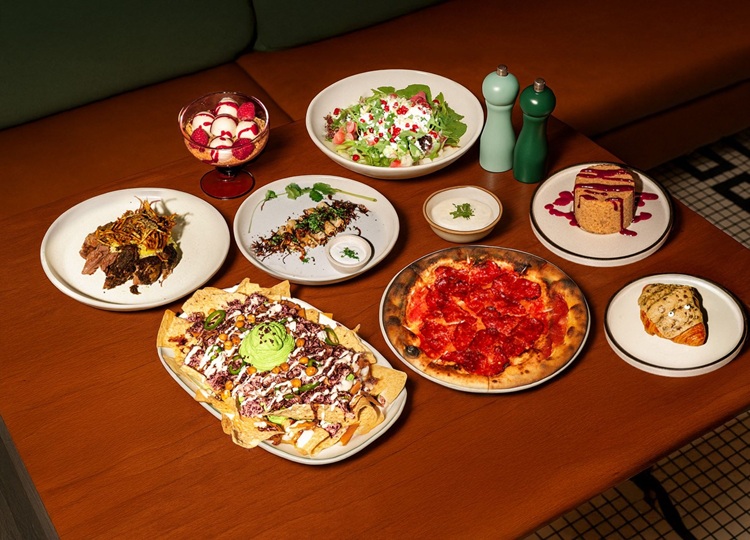
Beyond mentorship, the initiative is designed to create tangible opportunities for participants. Signature dishes developed by the chefs will debut exclusively on Kitopi’s Eatopi menu, connecting the programme’s learning experience with a real-world food service platform. This combination of guidance, storytelling and commercial exposure positions The Emirati Chef’s Table as an initiative focused on helping local talent translate culinary ambition into business growth.
Supporting Emirati Talent in Dubai’s Food and Beverage Sector
Dubai’s F&B industry brings together international cuisines, independent concepts, established restaurant groups and emerging food brands. Within this competitive environment, local entrepreneurs have opportunities to introduce distinctive ideas shaped by personal experiences, cultural heritage and contemporary dining preferences.
However, turning a culinary concept into a sustainable business involves more than developing a signature dish. Entrepreneurs must also understand customer expectations, manage operations, build a recognisable brand and identify suitable channels through which their products can reach customers. Access to professional guidance and commercial networks can be particularly valuable for founders navigating these challenges.
The Emirati Chef’s Table responds to this need by creating a sector-specific mentorship programme for homegrown F&B entrepreneurs. Rather than offering general business guidance alone, the initiative focuses on the particular considerations involved in developing culinary brands.
Participants will benefit from expert advice and opportunities to strengthen their professional networks. The programme also seeks to give their stories greater visibility, helping audiences understand the people, traditions and ideas behind their food.
This emphasis on both business development and storytelling reflects the different elements involved in building a food brand. A compelling culinary identity can help a concept stand out, but its long-term potential also depends on operational planning, customer engagement and the ability to deliver a consistent experience.
By bringing these considerations together, Dubai SME and Kitopi aim to support Emirati entrepreneurs as they develop their concepts and explore opportunities to grow within Dubai’s F&B market.
Dubai SME’s Role in Developing Homegrown Businesses
Dubai SME plays a role in supporting small and medium-sized enterprises and strengthening the emirate’s entrepreneurial ecosystem. As part of DET, the establishment works towards the broader objective of helping local businesses develop their capabilities and contribute to Dubai’s economic activity.
The Emirati Chef’s Table extends this focus into the food and beverage sector, where culinary creativity and entrepreneurship can come together to create distinctive businesses. Through a dedicated mentorship initiative, Dubai SME is seeking to help Emirati founders access expertise that can support their development.
The programme also reflects a broader approach to entrepreneurship support: connecting business development with practical market opportunities. For founders, learning from experienced professionals can help clarify priorities, identify areas for improvement and develop a more structured approach to growth.
Ahmad Al Room Almheiri, Acting CEO of Dubai SME, highlighted the importance of human capital in advancing the Dubai Economic Agenda, D33. He described the initiative as part of the establishment’s commitment to developing talent in ways that respond directly to market needs.
He also emphasised that the collaboration with Kitopi goes beyond mentorship, offering Emirati chefs guidance, confidence and opportunities to translate their passion into viable businesses.
This approach places entrepreneurs at the centre of the initiative. By supporting their professional development while giving their work a platform, Dubai SME aims to help local talent build stronger foundations for long-term participation in the food and beverage industry.
Kitopi Brings Industry Experience and Commercial Exposure
Kitopi, one of the region’s major food and beverage businesses, is the programme’s delivery partner. Its involvement brings an industry-focused dimension to the initiative, connecting participating entrepreneurs with professional expertise and a platform through which their culinary creations can reach customers.
For emerging food brands, understanding the practical realities of the industry is essential. A concept must appeal to customers while also being capable of operating within the requirements of a commercial food service environment. Product development, brand positioning and the customer experience all influence how a culinary idea is received.
Through The Emirati Chef’s Table, Kitopi is contributing expertise intended to help participating chefs navigate these considerations. The programme offers an opportunity for entrepreneurs to learn from specialists and engage with professionals who understand the demands of the F&B sector.
Mohamad Ballout, Co-founder and CEO of Kitopi, described Dubai as an increasingly dynamic food destination and highlighted the company’s ambition to contribute to the development of its culinary landscape.
He said the partnership with Dubai SME would help Emirati founders access expertise, scale and technology while developing distinctive homegrown brands that can compete regionally and internationally without losing their connection to their roots.
This focus on local identity and business development is central to the initiative. Rather than treating culinary heritage and commercial growth as separate objectives, the programme aims to support entrepreneurs in bringing the two together.
The partnership also illustrates how collaboration between public-sector organisations and private businesses can create opportunities for local founders. Dubai SME contributes its focus on entrepreneurship development, while Kitopi brings industry experience and a route for showcasing selected culinary creations.
Five Emirati Entrepreneurs in the Inaugural Cohort
The first cohort of The Emirati Chef’s Table comprises five Emirati F&B entrepreneurs. Each participant will receive mentorship and guidance from a group of specialists and professionals, with the aim of developing the skills and connections needed to strengthen their businesses.
The programme’s emphasis on individual journeys recognises that each culinary concept has its own story. A chef’s inspiration may come from family traditions, personal experiences, regional ingredients or a desire to reinterpret familiar dishes for contemporary audiences.
By exploring these stories, the initiative intends to highlight the creative thinking behind each participant’s work. The accompanying marketing campaign will document the journey from inspiration and cultural roots to the development of a finished dish.
This approach offers a way to introduce audiences to the people behind the food. For customers, understanding a chef’s background and motivation can add context to a dish and help establish a stronger connection with a brand.
For entrepreneurs, presenting their stories can also support brand identity. A clear narrative can help communicate what makes a concept distinctive, who it is intended to serve and the values that inform its culinary direction.
The programme combines this storytelling element with professional mentorship, ensuring that the initiative is not limited to promotion alone. Its stated objective is to give participants the guidance and exposure required to translate their creative work into viable business opportunities.
The five entrepreneurs therefore form the starting point for a programme designed to connect individual culinary talent with a wider support system for business growth.
Signature Dishes to Debut on Eatopi
One of the initiative’s defining features is the planned debut of participants’ signature dishes on Kitopi’s Eatopi menu. This element connects the mentorship programme with a real-world food service platform, offering a practical route for presenting the chefs’ creations to customers.
For an emerging culinary brand, the opportunity to showcase a dish through an established platform can provide valuable exposure. It creates a setting in which the chef’s work can be introduced beyond a private tasting or promotional event.
The Eatopi menu launch also gives the programme a tangible outcome. Rather than focusing exclusively on workshops and advisory sessions, the initiative links professional development with the presentation of food to a customer audience.
A signature dish can communicate several aspects of a chef’s identity at once. Ingredients, preparation, presentation and flavour combinations can reflect personal inspiration or cultural influences, helping a concept establish its character.
However, a dish intended for a commercial food service environment must also meet practical requirements. Preparation methods, consistency, presentation and the overall customer experience all influence how well a culinary idea translates from development to service.
The programme’s combination of mentorship and menu exposure creates an opportunity to consider these factors together. Participating entrepreneurs can develop their professional capabilities while preparing their culinary work for a broader audience.
The initiative does not simply celebrate the finished plate; it highlights the journey behind it. By linking a chef’s story with a dish available through Eatopi, The Emirati Chef’s Table seeks to bridge creative expression and practical market engagement.
A Three-Phase Programme Designed for Growth
The Emirati Chef’s Table is planned to run in three phases, combining awareness, customer-facing activities and the development of a future cohort.
The first phase centres on a two-month marketing campaign highlighting the participating chefs and their creative journeys. This campaign will explore their inspiration, roots and culinary imagination, helping audiences understand the stories behind their concepts.
Storytelling can be an important part of introducing a food brand. It gives customers a way to understand the thinking behind a menu and provides context for the ingredients and techniques used. For entrepreneurs, the campaign offers a platform to communicate their identities and introduce their work to a wider audience.
The second phase will include pop-ups and activations, with a showcase planned around the period of the UAE’s Eid Al Etihad celebrations. These activities are intended to bring the programme closer to customers and create opportunities to experience the participating chefs’ culinary concepts.
Pop-ups and similar activations can provide a different environment from conventional marketing. They allow food to be experienced directly, giving customers an opportunity to engage with the dishes and the stories behind them.
The third phase involves launching a second season with a new cohort of Emirati chefs in early 2026, according to the announcement. This planned continuation is intended to extend the initiative beyond its inaugural participants and provide another group of entrepreneurs with access to mentorship and exposure.
Together, the three phases create a programme that moves from awareness to customer engagement and then towards continuity. The structure reflects the initiative’s aim to support both individual chefs and the wider development of Emirati talent in the F&B sector.
Celebrating Culinary Heritage and Contemporary Innovation
Dubai’s food culture brings together traditions from many communities, while also creating space for new concepts and contemporary interpretations of established cuisines. Within this environment, Emirati entrepreneurs can contribute distinctive perspectives shaped by local heritage and individual creativity.
The Emirati Chef’s Table places this relationship between heritage and innovation at the centre of its approach. By highlighting each chef’s roots and inspiration, the programme aims to show how personal stories can inform contemporary culinary concepts.
A connection to heritage does not require a chef to reproduce traditional dishes without change. Culinary identity can also be expressed through reinterpretation, the use of familiar ingredients in new ways or the development of a modern dining concept informed by personal experience.
The programme’s storytelling campaign is designed to make these creative journeys visible. By tracing the path from inspiration to plate, it can help audiences understand how a chef’s background influences the food they create.
At the same time, the initiative recognises that creativity must be supported by business capabilities if it is to develop into a sustainable enterprise. Mentorship and market exposure are intended to help participants explore how their concepts can connect with customers and operate in a competitive environment.
This combination gives the programme relevance beyond a showcase of culinary talent. It frames Emirati chefs as entrepreneurs building brands, developing professional skills and exploring opportunities to participate more fully in Dubai’s food and beverage economy.
The Importance of the F&B Sector to Dubai’s Economy
The food and beverage sector remains an important part of Dubai’s economic landscape, supported by hospitality, tourism, restaurants and changing consumer demand.
According to the figures cited in the announcement, accommodation and food services contributed 4.1% of Dubai’s gross domestic product in the first quarter of 2025, reaching AED 4.9 billion. These figures illustrate the sector’s economic contribution during that period, while the announcement identifies innovation and entrepreneurship as areas with further growth potential.
The same announcement states that approximately 12% of Dubai SME’s members operate in the F&B sector. This points to the significance of food-related businesses within the establishment’s entrepreneurial community and the interest among Emiratis in developing ventures in the industry.
These figures provide context for the launch of The Emirati Chef’s Table. Supporting entrepreneurs in a sector with an established economic presence can help strengthen business capabilities while creating opportunities for new concepts to reach customers.
The initiative’s focus on mentorship, storytelling and market exposure is intended to support the development of local brands. By helping chefs build their capabilities and connect with commercial opportunities, the programme aims to contribute to a more supportive environment for Emirati F&B entrepreneurs.
The sector’s continued development will depend on a range of factors, including customer demand, operating conditions and the ability of individual businesses to establish sustainable models. Initiatives that help entrepreneurs access relevant expertise and networks can form part of the wider support available to them.
Aligning with the Dubai Economic Agenda D33
The Emirati Chef’s Table supports the broader goals of Dubai Economic Agenda D33 by focusing on local talent, entrepreneurship and the development of the food and beverage sector.
The agenda seeks to strengthen Dubai’s position as an attractive destination for business and investment. Supporting SMEs and local champions is part of this wider ambition, as smaller businesses can introduce new ideas, create commercial opportunities and contribute to the diversity of the economy.
The programme applies this objective to culinary entrepreneurship. By combining specialist guidance with a platform for showcasing dishes, it aims to help Emirati chefs develop their concepts in a way that connects creativity with commercial potential.
The initiative also reflects an emphasis on human capital. Developing entrepreneurs involves more than supporting a business idea; it includes strengthening the skills, confidence and professional relationships that help founders navigate the market.
Through its collaboration with Kitopi, Dubai SME is creating an opportunity for local culinary talent to engage with industry expertise and customer-facing experiences. The planned second season also indicates an intention to continue supporting new participants beyond the inaugural cohort.
The programme’s longer-term contribution will depend on how participants develop their businesses and make use of the opportunities available to them. Its structure, however, demonstrates a clear focus on connecting talent development with practical industry engagement.
A New Platform for Emirati Culinary Entrepreneurs
The Emirati Chef’s Table brings together mentorship, culinary storytelling and commercial exposure in a programme designed to support Emirati-owned F&B businesses.
Launched by Dubai SME in partnership with Kitopi, the initiative will support five entrepreneurs in its inaugural cohort through expert guidance, professional connections and a marketing campaign highlighting the inspiration behind their food. Their signature dishes are planned to debut exclusively on Eatopi, providing a customer-facing element to the programme.
The three-phase structure combines a two-month campaign, pop-ups and activations around the UAE’s Eid Al Etihad period, and a planned second season with a new group of Emirati chefs in early 2026.
By connecting individual culinary journeys with business development, the initiative aims to help participants build stronger brands and explore opportunities for sustainable growth. It also reflects Dubai’s wider effort to support local talent and strengthen the entrepreneurial ecosystem under the Dubai Economic Agenda D33.
Ultimately, the programme is about more than presenting distinctive dishes. It seeks to give Emirati chefs the guidance, visibility and practical opportunities needed to develop their culinary ideas into businesses with lasting potential. Through collaboration between Dubai SME and Kitopi, The Emirati Chef’s Table creates a platform for local talent to share its stories, engage with customers and contribute to the continued evolution of Dubai’s food and beverage sector.