


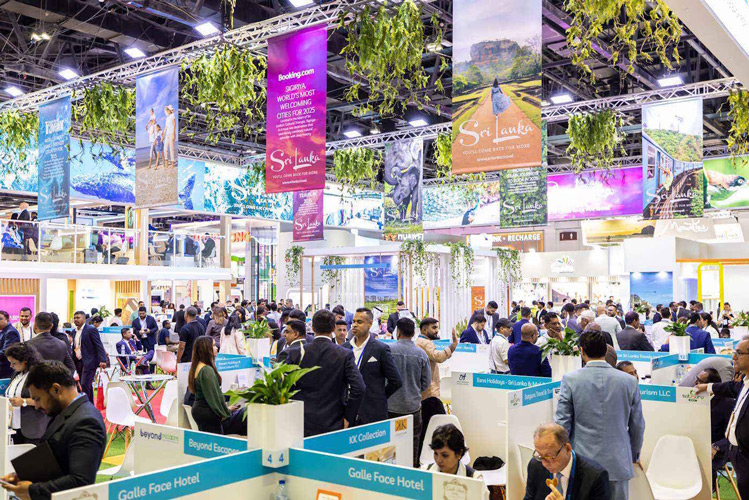
Arabian Travel Market 2026 will bring together global tourism leaders, destinations, airlines, hotels and travel technology providers to examine the expanding leisure travel market, which is projected to reach $15 trillion in global spending by 2040. Scheduled to take place at Dubai World Trade Centre from 4 to 7 May 2026, the event will explore how the Middle East can capitalise on rising international demand, changing traveller preferences and technological innovation to strengthen its position in the global tourism industry.
According to the announcement issued on 24 November 2025, global leisure travel spending is forecast to increase from $5 trillion in 2024 to $15 trillion in 2040. With leisure spending in the Middle East expected to grow by approximately 7% annually over the next five years, the region is positioned to become one of the fastest-growing tourism markets worldwide, with only Asia Pacific forecast to outperform it during the same period.
Under the theme Travel 2040: Driving New Frontiers Through Innovation and Technology, the 33rd edition of Arabian Travel Market (ATM) will examine the forces shaping the future of travel. Leisure tourism will be a major focus, with discussions centred on evolving consumer expectations, emerging travel segments, destination development and the opportunities created by digital innovation.
The event will also highlight Dubai’s role as an international meeting point for the travel industry, connecting businesses and destinations across the Middle East, North Africa and South Asia (MENASA) with markets worldwide.
A $15 Trillion Opportunity for the Global Leisure Travel Industry
The projected growth of global leisure travel spending represents a significant opportunity for destinations, hospitality businesses, airlines, tour operators and tourism service providers. Increasing expenditure on leisure journeys is expected to reshape how the industry develops products, markets destinations and responds to traveller expectations over the coming years.
The forecast cited in the ATM announcement places global leisure travel spending at $5 trillion in 2024, with the figure expected to reach $15 trillion by 2040. This anticipated expansion highlights the scale of the market that tourism businesses are preparing to serve.
For the industry, the opportunity extends beyond attracting more visitors. Businesses must also understand what travellers want from their journeys, how they choose destinations and which experiences influence their spending decisions. Personalisation, cultural discovery, outdoor activities, wellness and technology-enabled services are among the areas highlighted by the wider trends discussed in the ATM and Tourism Economics analysis.
Arabian Travel Market 2026 will provide a platform for industry stakeholders to consider how these developments could influence their strategies. Exhibitors and buyers will have opportunities to explore partnerships, showcase products and engage with businesses targeting different traveller segments.
The Middle East’s projected growth makes the region particularly relevant to these discussions. Continued investment in tourism infrastructure, alongside an expanding range of cultural and experiential attractions, is helping destinations diversify their visitor offerings. For hotels, airlines and travel businesses, these developments create opportunities to build new products and strengthen connections with international markets.
The challenge will be to translate market growth into sustainable business opportunities while meeting the expectations of increasingly diverse travellers. ATM’s focus on innovation and technology is intended to address this challenge by bringing together organisations working across the tourism ecosystem.
Middle East Tourism Growth and the 2030 Outlook
The ATM Travel Trends Report, developed in collaboration with Tourism Economics, forecasts that international tourism nights in the Middle East will reach 1.5 billion by 2030. This represents a projected increase of 90% compared with 2024.
The report also indicates that leisure travellers from outside the region are expected to account for approximately 15% of these tourism nights. These projections underline the importance of international leisure tourism to the region’s future visitor economy and highlight the potential for destinations to attract new audiences.
According to the report, European source markets currently account for 50% of leisure travel into the Middle East. Europe therefore remains a major contributor to the region’s international leisure market. However, the report anticipates faster growth from Africa and Asia Pacific over the next five years.
This changing source-market outlook creates opportunities for destinations and travel businesses to diversify their customer bases. Different markets can bring different preferences, travel patterns and expectations, making it increasingly important for tourism providers to understand their audiences.
For airlines, the projected growth may create opportunities to strengthen connectivity and develop services aligned with emerging travel demand. Hotels and resorts may explore products suited to different trip lengths, budgets and travel styles, while tour operators can develop experiences that respond to cultural interests, nature-based activities and changing consumer preferences.
The anticipated increase in tourism nights also places attention on the capacity of destinations to accommodate visitors. Infrastructure, accommodation, attractions, transport and visitor services all contribute to the overall travel experience. Continued coordination between public and private stakeholders will be important as destinations seek to manage growth while maintaining service quality.
Through its focus on the Middle East and its international connections, Arabian Travel Market 2026 will provide an opportunity to examine these developments and explore how businesses can respond to the region’s changing tourism landscape.
Leisure Tourism Takes Centre Stage at ATM 2026
Leisure tourism will form a key part of the ATM 2026 programme, reflecting its importance within the broader global travel market. The event will explore how leisure travellers are changing their behaviour and how destinations can adapt their offerings to attract and retain visitors.
Danielle Curtis, Exhibition Director ME at Arabian Travel Market, highlighted the scale of the opportunity facing the industry. She noted that global tourism nights are expected to approach 30 billion by 2030, with the Middle East accounting for around 8% of the total.
Curtis also pointed to the anticipated growth in leisure nights across the region, describing it as a reflection of rapid infrastructure development and expanding experiential and cultural offerings.
The figures cited in the announcement illustrate how tourism growth involves more than the number of people arriving at a destination. Tourism nights also reflect the duration of visitors’ stays, making accommodation, activities and the quality of the overall visitor experience important considerations.
For tourism businesses, encouraging visitors to stay longer can create opportunities across accommodation, dining, transport, entertainment and guided experiences. Destinations that offer a variety of activities may be better positioned to appeal to travellers seeking more comprehensive holidays.
ATM 2026 will bring together destinations, attractions, brands and innovators to examine how the industry can respond to the projected $15 trillion leisure travel market. The event is intended to support connections between organisations seeking to develop products, reach new customers and explore emerging opportunities.
The programme’s focus on leisure travel also reflects the increasingly varied nature of the market. Travellers are no longer defined by a single age group or preferred holiday format. Their interests can range from family holidays and cultural experiences to solo trips, sports tourism and wellness-focused escapes.
Understanding this diversity will be important for businesses looking to develop relevant and competitive travel offerings.
Millennials, Gen Z and Changing Traveller Preferences
The ATM Travel Trends Report identifies Millennials and Gen Z as important contributors to changing travel behaviour. According to the analysis, these travellers are planning more trips and embracing digital tourism innovations.
Their influence is relevant to how destinations and businesses communicate with customers, present travel products and support visitors throughout their journeys. Digital tools can help travellers research destinations, compare options, organise itineraries and discover experiences that match their interests.
For tourism providers, responding to these preferences may involve improving digital information, simplifying booking processes and presenting experiences in ways that help customers make informed decisions. Technology can also support more personalised communication and enable businesses to engage with travellers before, during and after a trip.
However, the trends highlighted by ATM extend beyond younger generations. Multigenerational and solo travel have also moved from niche pursuits into more mainstream segments of the market.
Multigenerational holidays can involve several age groups travelling together, creating demand for accommodation and activities that accommodate different interests and practical needs. Destinations may need to offer a balance of accessible attractions, family-friendly facilities, cultural experiences and opportunities for individual exploration.
Solo travellers, meanwhile, may prioritise flexibility, convenience, personal interests and opportunities to connect with a destination on their own terms. Their needs can differ significantly depending on the purpose and style of travel.
These developments demonstrate why the leisure market requires a varied approach. A single product or marketing message may not appeal equally to families, younger travellers, solo visitors and those seeking specialist experiences.
At ATM 2026, industry stakeholders will have an opportunity to explore how destinations and businesses can respond to these changing preferences through more targeted products, relevant technology and stronger partnerships.
Experiences, Culture and Nature Shape Travel Demand
The ATM and Tourism Economics analysis identifies leisure events as the leading opportunity for tourism growth, with half of the industry experts surveyed highlighting this segment.
Events can provide a specific reason for travellers to visit a destination, helping attract audiences interested in entertainment, sport, culture or other shared experiences. They can also support wider tourism activity by encouraging spending on accommodation, dining, transport and local attractions.
For destinations, the opportunity lies in creating experiences that complement their existing attractions and appeal to different audiences. Events can contribute to a destination’s identity while giving visitors additional reasons to travel at particular times of the year.
In the Middle East, beach getaways, city breaks and nature experiences remain popular, according to the report. At the same time, demand for sports tourism, cultural travel, and health and wellness trips is accelerating rapidly.
Beach destinations continue to offer opportunities for leisure and relaxation, while city breaks can combine hospitality, shopping, dining, entertainment and cultural attractions. Nature-based experiences provide another route for destinations to diversify their tourism products, particularly for visitors interested in landscapes and outdoor activities.
Cultural tourism can connect visitors with local history, heritage, architecture, food and traditions. These experiences can help travellers understand a destination beyond its most familiar attractions and may encourage engagement with local communities and businesses.
Sports tourism and wellness travel offer further opportunities to create specialised products. Sports-related trips can be built around events or participation, while wellness-focused holidays may appeal to visitors seeking relaxation and experiences associated with personal wellbeing.
The growing range of interests reinforces the importance of understanding traveller motivations. Destinations that combine their established strengths with relevant new experiences may be able to reach a wider audience.
ATM 2026 will provide a forum for tourism organisations to exchange ideas about these opportunities and explore how different types of experiences can contribute to the next phase of global leisure travel.
Technology and Innovation in the Travel Industry
Innovation and technology are central to the theme of Arabian Travel Market 2026. As traveller expectations evolve, digital solutions are increasingly relevant to how tourism businesses develop products, communicate with customers and manage operations.
Technology can influence several stages of the travel journey, from destination discovery and trip planning to reservations and on-the-ground experiences. It can also help businesses understand customer preferences and improve the way they present their offerings.
The ATM programme will examine how the industry is evolving to serve new traveller segments, with dedicated features intended to highlight developments in travel technology and related services.
The event’s ATM Travel Tech component will occupy two dedicated halls, providing space to showcase technologies and innovations serving the travel sector. The feature will form part of the wider exhibition, connecting technology providers with destinations, travel companies and buyers.
For businesses, the value of technology lies in how effectively it addresses real needs. Digital solutions may help improve convenience, make information easier to access or support more personalised experiences. However, successful adoption also requires attention to usability, operational integration and the expectations of different customers.
Technology is therefore not separate from the wider travel experience. It can influence how visitors discover destinations, interact with businesses and navigate their journeys, while supporting the operational work required to deliver tourism services.
By bringing travel technology into the broader ATM programme, the event will provide an opportunity for industry participants to explore how innovation can support growth, strengthen customer engagement and help businesses prepare for future market demands.
A Global Platform Connecting Destinations and Buyers
Arabian Travel Market 2026 is expected to attract more than 2,600 exhibitors from 161 countries and over 47,000 attendees. These projected figures underline the event’s role as a major meeting point for the international travel and tourism industry.
For exhibitors, the event offers an opportunity to present destinations, hospitality products, transport services, attractions and technology solutions to a global audience. Buyers can explore new offerings, develop relationships and identify potential partners to support their business objectives.
The international participation is particularly relevant as the Middle East seeks to strengthen its connections with established and emerging source markets. The anticipated growth of leisure travel from Europe, Africa and Asia Pacific creates opportunities for businesses to broaden their reach and adapt their offerings to different audiences.
The event’s focus on the Middle East, North Africa and South Asia also reinforces its regional relevance. By connecting inbound and outbound travel stakeholders, ATM provides a platform for organisations to discuss opportunities across multiple parts of the travel value chain.
Dubai’s position as an international gateway adds to the event’s role in connecting markets. The 33rd edition is expected to link destinations across six continents, creating a setting in which regional tourism strategies can be considered alongside wider global developments.
The scale of participation is expected to support networking and commercial engagement, although individual outcomes will depend on the needs and objectives of participating organisations. For businesses looking to enter new markets, strengthen distribution relationships or identify technology partners, the event offers a setting for conversations that may lead to future collaboration.
Ultra-Luxury Travel and Specialist Industry Segments
Alongside its leisure travel focus, ATM 2026 will showcase specialist segments that reflect the growing diversity of the tourism industry.
The ATM Ultra Luxury Lounge will provide a dedicated feature for the luxury travel market. This segment serves travellers seeking distinctive accommodation, personalised service and carefully curated experiences. As luxury tourism evolves, businesses must understand how customers define value and what makes a premium travel experience meaningful.
Luxury travel can encompass more than high-end accommodation. Privacy, service, access to distinctive experiences and attention to individual preferences can all influence a traveller’s expectations. The dedicated lounge will form part of ATM’s wider effort to connect brands and industry stakeholders serving this market.
IBTM @ ATM will also be part of the event, alongside the wider exhibition programme. Its inclusion broadens the range of travel-related business segments represented at the show, supporting engagement across different areas of the industry.
These features complement the focus on leisure tourism by recognising that the global travel market consists of multiple interconnected segments. Luxury travel, business events, leisure holidays and technology services may involve different customers and business models, but they share an interest in innovation, partnerships and understanding changing demand.
Through its specialist features, ATM 2026 will give participating organisations opportunities to explore these segments and connect with relevant industry stakeholders.
Dubai’s Role in the Next Chapter of Global Tourism
The choice of Dubai as the host city reinforces the event’s position as a meeting point for international tourism businesses. Scheduled for 4–7 May 2026 at Dubai World Trade Centre, Arabian Travel Market will bring global industry participants together at a time when the Middle East is expected to experience strong leisure tourism growth.
The event’s regional emphasis will provide an opportunity to examine how destinations can build on infrastructure development, cultural attractions and expanding visitor experiences. It will also allow businesses to consider how changing source markets and traveller preferences may influence their strategies.
For Dubai and the wider region, international travel events can support business engagement by creating opportunities for destinations, airlines, hotels, attractions and technology providers to exchange information and establish connections.
ATM’s emphasis on MENASA markets and its international participation also reflects the interconnected nature of modern tourism. Destinations compete for visitors, but they also rely on partnerships with airlines, accommodation providers, travel sellers and other organisations to create and distribute travel products.
The event will offer a setting for these stakeholders to explore how they can work together to respond to the opportunities identified in the ATM Travel Trends Report.
Preparing for Travel 2040
The projections highlighted ahead of Arabian Travel Market 2026 point to a period of significant opportunity for the global leisure travel industry. With global leisure spending forecast to reach $15 trillion by 2040 and international tourism nights in the Middle East expected to rise substantially by 2030, destinations and businesses are preparing for a larger and more diverse travel market.
The report’s findings also underline that growth will be shaped by changing traveller preferences. Younger generations are planning more trips, multigenerational and solo travel are gaining wider acceptance, and interest in events, culture, nature, sports and wellness is expanding.
Technology will be an important part of how the industry responds, helping businesses reach customers, improve services and develop products for different audiences. At the same time, successful tourism growth will depend on destinations understanding their strengths and delivering experiences that meet visitor expectations.
Arabian Travel Market 2026 will bring together the organisations and professionals working across these areas. Through its exhibition, specialist features and focus on innovation, the event aims to support discussions and partnerships that can help the industry prepare for future demand.
As the Middle East continues to strengthen its position in global tourism, ATM 2026 will provide an opportunity to explore how the region can contribute to the next chapter of leisure travel while connecting destinations and businesses with international markets.
The event will take place at Dubai World Trade Centre from 4 to 7 May 2026. Travel industry professionals interested in exhibiting can find further information through the official Arabian Travel Market website and its exhibitor enquiry page.