


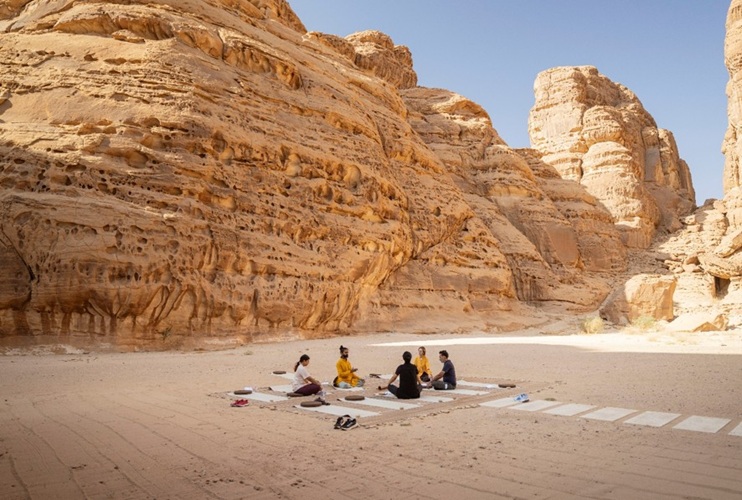
AlUla, SPA — Since the beginning of Ramadan, AlUla Governorate has seen a growing influx of residents and visitors seeking tranquility and diverse tourism experiences. The area combines desert landscapes with historic sites, reflecting its distinctive character and rich cultural heritage.
AlUla’s calm atmosphere is a key attraction during the holy month. Many fasting individuals prefer peaceful surroundings away from the bustle of cities. The governorate’s varied landscape—mountains, rock formations, and agricultural oases—offers an ideal setting for a serene Ramadan experience. Well-designed oases with seating areas, restaurants, and gardens provide spaces where visitors gather among palm trees and farms, enjoying a blend of nature and tranquility.
AlUla’s heritage sites further enhance its appeal. The governorate includes numerous cultural landmarks dating back thousands of years, most notably Hegra, the first Saudi site inscribed on the UNESCO World Heritage List. Visitors can also explore the ancient sites of Dadan and Jabal Ikmah, which feature rock carvings documenting civilizations that existed centuries before Christ.
Why visit AlUla in Ramadan
The area offers diverse accommodation options, including desert and rural lodges located among farms and palm oases. These lodges offer a balance between privacy, natural surroundings, and modern hospitality. Old Town of AlUla is also a popular destination during Ramadan, offering markets, experiences, and historic alleyways that revive the traditions of the mud-brick town, which includes more than 900 houses.
The growing popularity of AlUla during Ramadan reflects the Royal Commission for AlUla’s efforts to develop tourism infrastructure and experiences while organizing various programs and events. These initiatives allow residents and visitors to enjoy enriching Ramadan experiences and strengthen AlUla’s position as a distinctive global tourist and cultural destination.
AlUla During Ramadan: Cultural Experiences and Peaceful Retreats
It offers visitors a distinctive way to experience Ramadan, combining quiet natural surroundings with opportunities to explore Saudi Arabia’s cultural heritage. From peaceful palm groves to ancient archaeological landmarks, the destination provides a setting for reflection, family gatherings and cultural discovery during the holy month.
For travellers seeking a break from busy urban environments, AlUla’s open landscapes and traditional agricultural oases offer a slower pace of life. Visitors can spend time walking among palm trees, enjoying local hospitality and discovering the relationship between the region’s natural environment and the communities that have lived there for generations.
As interest in domestic tourism continues to grow, AlUla stands out for its ability to combine relaxation with meaningful cultural experiences. Its range of accommodation, dining options and heritage attractions makes it suitable for visitors planning a short Ramadan getaway or a longer stay.
Discover AlUla’s Ancient Heritage
One of the main reasons to visit is its remarkable collection of archaeological and historical sites. Hegra, Saudi Arabia’s first UNESCO World Heritage Site, features monumental Nabataean tombs carved into sandstone formations. The site provides insight into the ancient civilisations and trade networks that shaped the region.
Dadan, once an important ancient kingdom and trading centre, offers another perspective on the area’s history. Nearby, Jabal Ikmah is known for its inscriptions and rock carvings, which preserve evidence of languages, beliefs and everyday life from earlier periods.
Exploring these landmarks during a Ramadan visit allows travellers to combine cultural learning with the tranquillity of the surrounding desert landscape. Visitors should check attraction opening hours and tour availability in advance, as schedules may vary during the holy month.
Where to Stay and Enjoy Local Hospitality
It’s accommodation options include luxury resorts, desert retreats and lodges that draw inspiration from the surrounding landscape. These properties allow guests to experience the destination while enjoying modern comforts and access to nearby attractions.
The historic Old Town offers a different atmosphere, with narrow alleyways, traditional architecture, local shops and places to discover regional culture. Its restored heritage setting provides opportunities to learn about the area’s past while experiencing the character of a historic Arabian settlement.
Food also plays an important role in the Ramadan experience. Visitors can explore local dining options, enjoy traditional flavours and plan their evenings around iftar and other seasonal activities. Checking restaurant schedules and making reservations ahead of time can help ensure a smoother visit.
Planning a Memorable Ramadan Visit to AlUla
A successful trip to AlUla begins with planning around the season. Travellers should confirm accommodation availability, transport arrangements and access to heritage attractions before arrival. Comfortable clothing, sun protection and suitable footwear are useful for exploring outdoor sites, particularly during warmer parts of the day.
With its combination of ancient history, desert scenery and welcoming hospitality, AlUla offers a distinctive setting for a peaceful Ramadan escape. Ongoing tourism development and cultural programming continue to strengthen its appeal as a destination for visitors seeking experiences that connect nature, history and local traditions.
Related reading: AlFursan Endurance AlUla 2026 Sets Stage for FEI Championship

Ahmed Abdul Wasey
Managing Editor, Eat ‘N Stays
Ahmed Abdul Wasey is the Managing Editor in Eat ‘N Stays, overseeing all editorial coverage of travel, hospitality, and food across Saudi Arabia and the wider Gulf region. He sets the publication’s editorial direction and reviews coverage across hotels, restaurants, tourism, cruise, and industry news before it publishes.
Have a story tip, correction, or question about our coverage? Reach Ahmed directly at pr@eatnstays.com.