



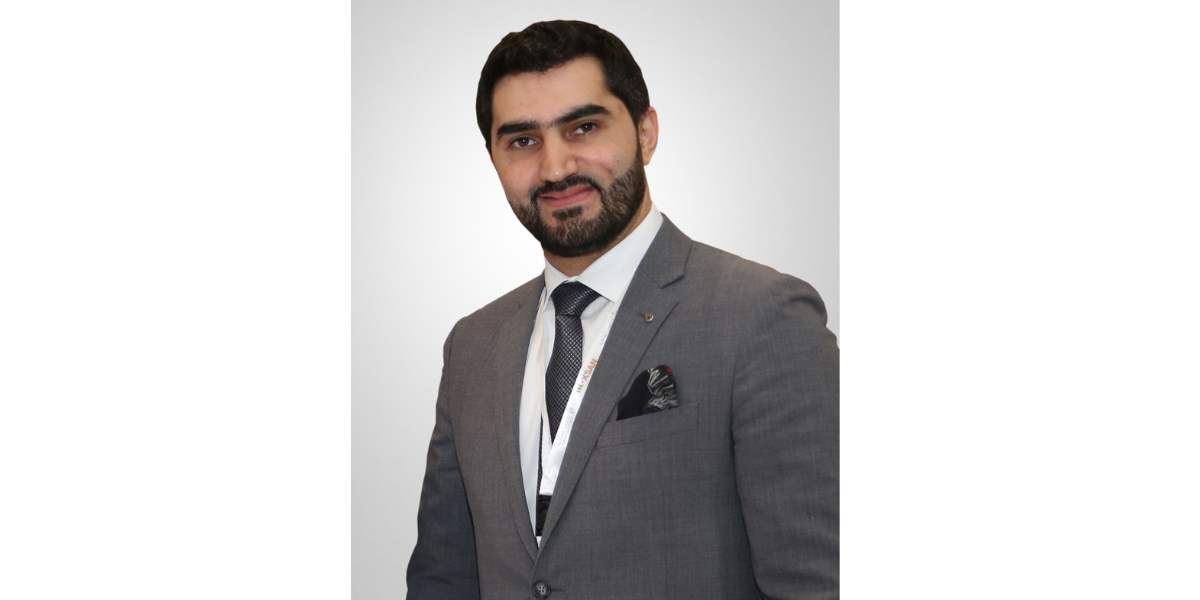
By : Ahmed Abdul Wasey
With over two decades of experience in the events industry, how do you envision the future of exhibitions and conferences in Saudi Arabia, and what role do you see SEMARK playing in that evolution?
As per vision 2030 , the goal is to transforming the Kingdom into a global events hub, leveraging large-scale exhibitions like the upcoming Expo 2030 Riyadh (“The Era of Change: Together for a Foresighted Tomorrow”) to showcase economic diversification, cultural openness, and megaprojects like NEOM, Diriyah Gate and many others, to attract investment, boost tourism, and position Saudi Arabia as a leader in innovation and sustainability, creating a dynamic MICE sector with world-class venues and infrastructure.
Since its inception, SEMARK has been fully aligned with this vision, which is deeply embedded in the company’s DNA. SEMARK firmly believes that the most effective and sustainable way to deliver successful exhibitions and events is through building strong partnerships with leading international exhibition organizers—bringing their most established and successful concepts to Saudi Arabia while thoughtfully adapting them to reflect Saudi culture, values, and market expectations.
What are some of the biggest challenges you’ve faced in transforming the events sector in Saudi Arabia, and how have you leveraged partnerships and international collaborations to overcome them?
I had the honor of serving as a member of the Advisory Board of the Saudi Exhibitions and Conferences Bureau, which was later transformed into the Saudi Conventions and Exhibitions General Authority (SCEGA). Since that time, the exhibitions industry in the Kingdom has undergone a profound and highly positive transformation. Significant progress has been made in addressing many of the challenges previously facing the sector, including the implementation of a highly efficient and streamlined visa system for exhibitors, a responsive and accelerated customs clearance process, and the establishment of an active and engaged authority that promptly supports both local and international organizers.
The industry’s infrastructure continues to develop at a rapid pace, and I firmly believe that by the time Saudi Arabia reaches Expo 2030, the Kingdom will possess one of the most advanced exhibitions and business tourism ecosystems in the world—achieved by attracting the best minds in the industry and positioning KSA as a global exhibitions hub.
Can you share an example of a prominent international exhibition that you successfully localized for the Saudi market? What strategies did you implement to ensure its success?
As mentioned earlier, forging strategic alliances with leading international players is deeply embedded in SEMARK’s DNA as the most effective way to deliver successful and sustainable events. Accordingly, since launching our first exhibition, Saudi HORECA, SEMARK has consistently prioritized partnerships with globally recognized organizers.
We had the honor of introducing HORECA to the Kingdom through a long-standing partnership with Hospitality Services, a collaboration that has now spanned nearly 15 years and has become a remarkable success story. Today, Saudi HORECA stands as the largest food, beverage, and hospitality exhibition in Saudi Arabia and forms part of the region’s largest exhibition network in the Middle East, taking place across six cities.
Another notable success is Salon du Chocolat, one of the world’s most prestigious chocolate exhibitions, hosted in more than 20 cities globally. Bringing this renowned exhibition to Saudi Arabia over the past three years has proven highly successful and well received by the local market.
Last but not least, HOST Arabia represents a further milestone for SEMARK. As a regional spin-off of HOST Milano, the world’s largest hospitality equipment exhibition, HOST Arabia is delivered in partnership with the international exhibitions’ powerhouse Fiera Milano, reinforcing SEMARK’s commitment to bringing world-class exhibition platforms to the Kingdom.
What emerging trends do you foresee shaping the exhibitions and events landscape in Saudi Arabia, particularly in relation to technology and sustainability?
Saudi Arabia’s exhibitions and events industry is being reshaped by rapid digital transformation and a strong focus on sustainability, aligned with Vision 2030. Hybrid event models and AI-driven platforms are enhancing accessibility, personalization, and global reach. Immersive technologies such as AR and VR are transforming how products and services are showcased. Data analytics is becoming central to measuring impact and optimizing attendee experience. Sustainability is evolving into a core requirement, with green standards, circular practices, and carbon reduction initiatives gaining momentum. Smart, connected venues with advanced infrastructure are improving efficiency, safety, and engagement. At the same time, increased collaboration with leading international organizers is positioning Saudi Arabia as a global hub for exhibitions and business tourism.
As a recognized leader in the events sector, what advice would you give to aspiring professionals looking to make their mark in the exhibitions and conferences industry?
My advice to any newcomer entering the Saudi exhibitions market is to conduct a thorough and thoughtful assessment of the market’s needs and align their concepts accordingly. The Kingdom already hosts several well-established exhibitions within their respective sectors, and attempting to compete directly with these mature platforms can be both costly and inefficient. Instead, success lies in identifying new, innovative, and untapped themes when defining an exhibition profile. The Saudi market is highly discerning, and audiences consistently seek best-in-class experiences—those who deliver originality and excellence will be well positioned for success.