



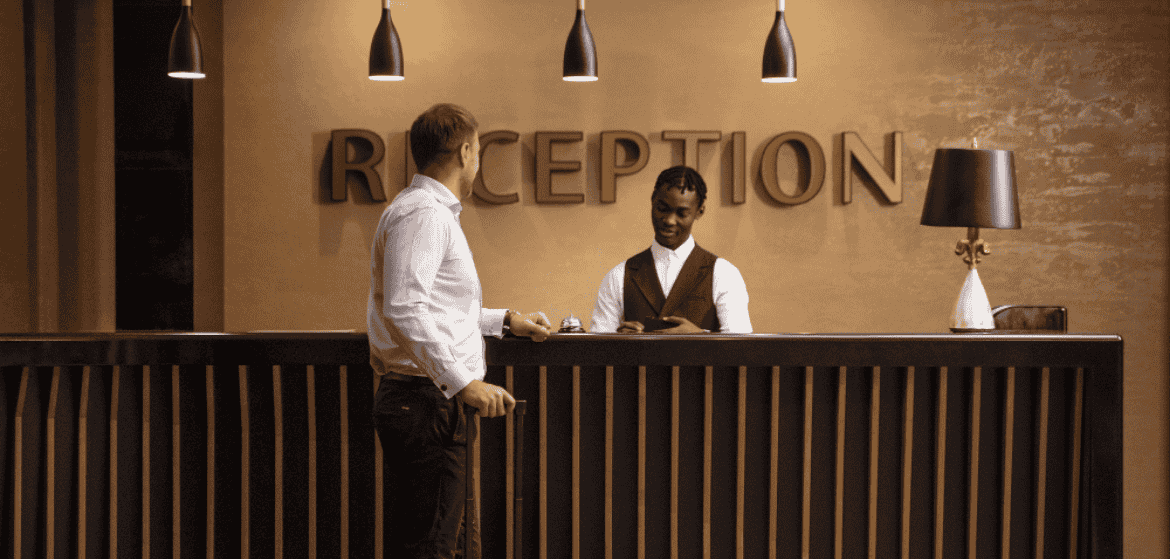
The hospitality industry in Saudi Arabia is undergoing one of the most ambitious transformations seen anywhere in the world today. Fueled by visionary leadership, large-scale tourism development, and increasing global interest, the Kingdom is rapidly redefining itself as a premier international destination. What was once a market primarily serving religious and business travelers is now evolving into a diverse, experience-led hospitality ecosystem that caters to leisure, luxury, culture, adventure, and sustainability-focused travel.
At the heart of this evolution lies Saudi Vision 2030 — a strategic roadmap that places tourism and hospitality at the center of economic diversification. As a result, the hospitality industry in Saudi Arabia has become a powerful engine for job creation, foreign investment, infrastructure development, and global brand positioning.
A Strategic Shift: Hospitality as an Economic Catalyst
Historically, Saudi Arabia’s hospitality sector was largely concentrated around pilgrimage cities such as Makkah and Madinah, serving millions of religious visitors annually. While religious tourism remains a cornerstone, the Kingdom has intentionally broadened its scope to attract international leisure travelers, event-driven tourism, and long-stay visitors.
Today, hospitality in Saudi Arabia is no longer limited to traditional hotels. It encompasses:
- Luxury and ultra-luxury resorts
- Branded residences and serviced apartments
- Lifestyle and boutique hotels
- Eco-lodges and experiential desert stays
- Wellness, cultural, and heritage-focused properties
This diversification reflects a strategic pivot toward high-value tourism experiences and positions Saudi Arabia as a multi-dimensional destination capable of competing with established global markets.
Expansion Across Key Cities and Emerging Destinations
Riyadh and Jeddah: Urban Powerhouses
Riyadh, the Kingdom’s capital, has emerged as a major hospitality hub driven by corporate travel, government initiatives, entertainment zones, and mega-events. International hotel brands continue to expand their footprints, responding to demand from business travelers, diplomats, and event attendees.
Jeddah, the Kingdom’s gateway to the Red Sea, blends commerce with culture and leisure. Its hospitality landscape is evolving rapidly with beachfront developments, lifestyle hotels, and luxury properties that appeal to both domestic and international visitors.
Destination-Led Development: AlUla, The Red Sea & Beyond
Beyond major cities, destination-driven hospitality projects are reshaping Saudi Arabia’s tourism narrative:
- AlUla is positioning itself as a global cultural and heritage destination, where hospitality integrates archaeology, nature, and storytelling.
- The Red Sea Project is redefining sustainable luxury, with regenerative tourism, island resorts, and eco-conscious design.
- NEOM and Sindalah introduce futuristic hospitality concepts powered by innovation, technology, and next-generation guest experiences.
These developments reflect a long-term vision where hospitality is not just accommodation—but an immersive journey.
Government Support and Policy Enablement
The rapid growth of the hospitality industry in Saudi Arabia would not be possible without strong government backing. Several initiatives have played a decisive role:
- Tourism Development Fund (TDF) financing and incentives
- Simplified licensing and regulatory frameworks
- Infrastructure investment across transport, airports, and urban development
- Visa reforms, including tourist e-visas and multiple-entry visas
- Public-private partnerships supporting hotel development
These measures have reduced entry barriers for international operators and encouraged long-term investment confidence.
Role of International Hotel Brands
Global hotel groups have become key contributors to Saudi Arabia’s hospitality transformation. Brands such as Marriott International, Hilton, Accor, IHG, Hyatt, and luxury operators have expanded aggressively across the Kingdom.
Their impact extends beyond brand recognition:
- Introduction of global service standards
- Structured training and leadership development programs
- Consistency in guest experience across markets
- Knowledge transfer and operational excellence
International brands are also partnering with local developers, ensuring that projects align with Saudi culture while meeting international expectations.
Empowering Local Talent and Workforce Development
One of the most significant long-term benefits of hospitality expansion is workforce development. The hospitality industry in Saudi Arabia is creating thousands of employment opportunities across operations, management, culinary arts, marketing, and guest services.
Key focus areas include:
- Training Saudi nationals through hospitality academies
- Leadership development programs with international brands
- Encouraging women’s participation in hospitality roles
- Upskilling through digital and operational training
By investing in people, the Kingdom is building a sustainable talent pipeline that will support industry growth for decades.
Technology and Digital Transformation in Hospitality
Technology is playing a central role in shaping modern hospitality experiences in Saudi Arabia. Hotels and resorts are increasingly adopting digital solutions to enhance efficiency and personalization.
Key innovations include:
- Digital check-in and mobile room access
- Smart room technology and IoT integration
- AI-driven guest personalization
- Data analytics for demand forecasting and pricing
- Cloud-based property management systems
Additionally, online platforms and digital marketing strategies are helping Saudi hospitality brands improve global visibility and direct bookings, strengthening competitiveness.
Sustainability and Responsible Hospitality
Sustainability has become a defining pillar of hospitality development in Saudi Arabia. New projects are being designed with environmental responsibility at their core, aligning with global ESG standards.
Sustainable practices include:
- Renewable energy usage
- Water conservation and desalination efficiency
- Low-impact architecture and landscape preservation
- Waste reduction and responsible sourcing
- Community engagement and cultural preservation
Projects such as the Red Sea resorts aim to become global benchmarks for regenerative tourism, proving that luxury and sustainability can coexist.
Hospitality as a Platform for Culture and Identity
Beyond economic impact, the hospitality industry in Saudi Arabia is becoming a platform for cultural storytelling. Hotels and resorts increasingly incorporate Saudi design elements, local cuisine, art, and heritage narratives into guest experiences.
This cultural integration:
- Enhances authenticity for international visitors
- Preserves local identity amid global expansion
- Differentiates Saudi Arabia from other destinations
- Strengthens emotional connections with guests
Hospitality is thus playing a vital role in shaping how the world perceives Saudi Arabia.
The Future Outlook: A Global Hospitality Leader in the Making
Looking ahead, the hospitality industry in Saudi Arabia is set for sustained growth. With ambitious targets to welcome millions of tourists annually, continued hotel openings, and expanding destination offerings, the Kingdom is firmly positioning itself as a global hospitality leader.
Key drivers of future growth include:
- Continued Vision 2030 alignment
- Strong international partnerships
- Innovation-driven guest experiences
- Sustainable and inclusive development
- A growing reputation as a safe, diverse, and welcoming destination
As Saudi Arabia continues its journey, hospitality will remain one of the most visible symbols of the Kingdom’s transformation connecting cultures, creating opportunities, and redefining travel experiences on a global scale.