



Germany invites Gen Z travellers from the GCC to explore a content-rich, multi-city journey filled with iconic views and hidden micro-moments
Dubai : As Gen Z continues to redefine travel through visual storytelling, short-form video, and experience-led exploration, the German National Tourist Office (GNTO) is starting 2026 by spotlighting Germany as one of Europe’s most photogenic and content-rich destinations for travellers from the GCC.
From striking modern skylines and creative urban neighbourhoods to dramatic natural viewpoints and serene hidden landscapes, Germany offers an endless stream of “micro-moments” that go far beyond traditional landmarks. Supported by seamless rail connectivity, smart digital planning tools, and compact travel distances, visitors can effortlessly combine multiple destinations into one longer, multi-city holiday.
A Few of Germany’s Most Photogenic Cities & Micro-Moments to Capture in 2026
Germany’s diversity allows travellers to move seamlessly from ultra-modern cities to dramatic natural landscapes, creating a continuous stream of visually striking moments. These destinations are ideal for short-form video, photography, and immersive storytelling – all easily combined into one longer, multi-city itinerary.
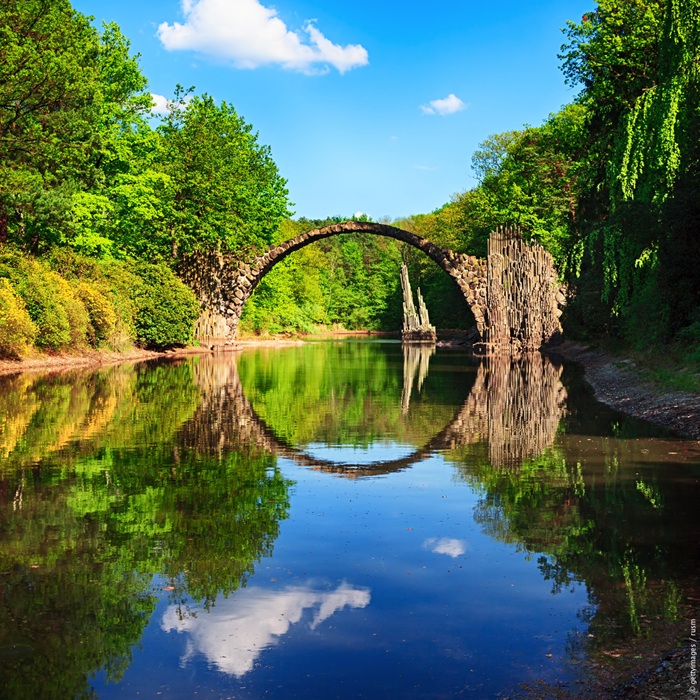
● Rakotz Bridge (Devil’s Bridge), Saxony: Hidden within Kromlau Park, Rakotz Bridge is one of Germany’s most surreal photo spots. Designed to form a perfect circle when reflected in the water, it delivers a dreamlike aesthetic that resonates strongly with Gen Z audiences drawn to fantasy-inspired visuals, symmetry, and nature-meets-design storytelling.
● Bastei Bridge, Saxon Switzerland: Rising above dramatic sandstone rock formations, the Bastei Bridge offers sweeping views across the Elbe Valley. Whether captured at sunrise, wrapped in mist, or under golden-hour light, this viewpoint delivers cinematic depth and scale – ideal for wide-angle shots and immersive landscape reels.
● Frankfurt am Main Skyline: Frankfurt’s skyline stands apart as one of Germany’s most futuristic urban scene. Glass skyscrapers, river reflections, rooftop viewpoints, and riverside promenades create a bold metropolitan contrast to Germany’s historic towns – perfect for city-night photography, skyline transitions, and modern travel content.
● Schwäbisch Hall Old Town: A storybook setting of timber-framed houses, pastel façades, and dramatic staircases, Schwäbisch Hall’s Old Town feels like stepping into a period film set. Its layered architecture and narrow streets allow creators to capture timeless European charm with a strong sense of place and texture.
● Obersee, Bavaria: Known for its mirror-like water and alpine surroundings, Obersee offers calm, minimalist visuals that contrast beautifully with high-energy city content. Reflections of mountains, soft colour palettes, and quiet walking paths make it ideal for slow-travel narratives and serene visual storytelling.
● Ghost Forest, Baltic Coast: This atmospheric coastal forest is shaped by wind and sea, creating twisted trees that frame the shoreline. The Ghost Forest delivers moody, cinematic content year-round, from foggy mornings to dramatic sunsets, appealing to travellers drawn to raw, unconventional landscapes.
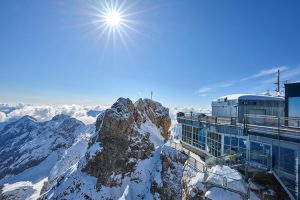
● Zugspitze – Top of Germany: Standing at nearly 3,000 metres, Zugspitze offers panoramic platforms above the clouds, snow-covered peaks, and sweeping alpine views. Easily accessible by cable car, it allows travellers to capture high-impact mountain content without extensive hiking, making it ideal for dynamic, shareable visuals.
● Königsstuhl, Rügen Island: These iconic white chalk cliffs rise dramatically above the Baltic Sea, delivering powerful contrast between land, sky, and water. Elevated viewpoints and forested trails allow creators to frame wide, cinematic shots that feel both raw and refined.
● Elbphilharmonie, Hamburg: One of Europe’s most striking modern buildings, the Elbphilharmonie combines cutting-edge architecture with panoramic harbour views. Its public plaza is a favourite for capturing Hamburg’s maritime energy, city transitions, and architectural detail shots.
● Brandenburg Gate, Berlin: More than a historic monument, the Brandenburg Gate transforms throughout the day, from early-morning minimalism to vibrant night scenes. Its surroundings offer endless creative angles, street-life moments, and visual contrasts that reflect Berlin’s modern cultural pulse.
● Moselle River Bends: High above the Moselle Valley, these winding river viewpoints create natural symmetry framed by vineyards and rolling hills. Ideal for panoramic storytelling, the Moselle bends showcase Germany’s softer, scenic side with strong visual impact.
Designed for the Digital Generation
Germany’s strong focus on digitalisation and smart mobility aligns closely with Gen Z travel values. Rail travel, walkable cities, and multilingual digital tools make trip planning simple while encouraging responsible tourism choices.
Yamina Sofo, Director, Marketing & Sales Office – GNTO GCC, said: “Gen Z travellers are redefining how destinations are explored and shared. Germany offers an exceptional mix of visually striking cities, authentic neighbourhoods, and dramatic natural landscapes – all connected seamlessly. This makes Germany ideal for longer, multi-city journeys that inspire creativity, storytelling, and meaningful travel experiences.”
One Journey, Endless Content: A Gen Z Multi-City Route
Germany’s appeal for Gen Z travellers lies in how effortlessly the country can be explored as one connected journey. High-speed trains and efficient transport links make it easy to move between cities and nature-rich regions, encouraging longer, more immersive stays. A seamless route can begin along Germany’s Baltic Coast, known for its dramatic cliffs, forested shores, and wide-open seascapes, before heading to Hamburg for waterfront aesthetics and contemporary design. From there, the journey continues to Berlin, where creative energy and iconic sights set the tone, and on to Saxony’s cinematic landscapes of castles, valleys, and historic towns. The route then moves southwest to Frankfurt am Main for striking skyline views and urban perspectives, before slowing in Bavaria, where alpine lakes and mountain scenery deliver high-impact nature moments. Together, these destinations create a flexible, content-rich itinerary that blends iconic highlights with lesser-known discoveries within a single trip.